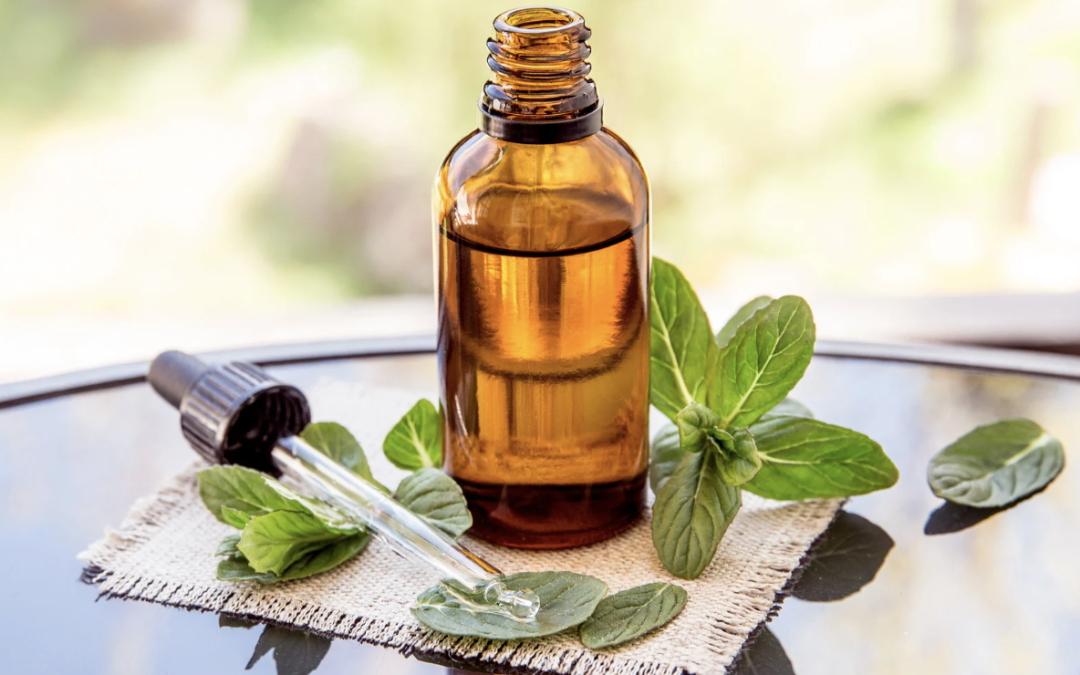
Supplements and digestive symptoms: Peppermint
Does a peppermint supplement help relieve certain digestive symptoms?
Here's what the science says!
Peppermint oil is often used as a strategy for relieving digestive symptoms such as bloatingcramps and abdominal pain.
These effects are mainly due to its main active ingredient, the L-menthol. It is known to help relax the smooth muscle tissue in the intestines. It therefore helps antispasmodic effectto relieve involuntary muscle spasms. In addition, peppermint oil may also help reduce so-calledvisceral hypersensitivitythe high sensitivity of the nerves in the intestine, which is partly responsible for our perception of pain and stomach aches in the context of irritable bowel syndrome (IBS), often referred to as irritable bowel syndrome.
In various meta-analyses, peppermint oil has been shown to be effective for the overall symptoms of SII as well as for abdominal pain.
Some products combine peppermint with other plants such asIberogast. In current literature, theIberogast has been shown to be effective in relieving the symptoms of abdominal pain, bloating, gas and nausea associated with IBS. L'Iberogast also appears to promote intestinal motility (movement of the intestine), which is of interest in cases of functional dyspepsia or "slow" digestion.
Other products such asIBguard contain capsules with a slow-release coating, which protects it from stomach acidity and increases the chances of it reaching the intestines.
Various product options
Peppermint comes in a variety of forms. It is generally recommended to take the supplement 30 to 60 minutes before a meal or 2 hours after a meal.
There are several contraindications associated with the use of these products. Always check with a healthcare professional (doctor, pharmacist) to see if this product is right for you.
Beware of reflux and heartburn!
It is important to avoid peppermint in the presence of gastrointestinal reflux (often referred to as acid reflux) or hiatal hernia. Mint loosens the lower esophageal sphincter, allowing stomach contents to "rise" into the esophagus. This could aggravate reflux symptoms. Peppermint capsules (such as IBgard) are generally tolerated in people with reflux, given the enteric coating discussed above.
To learn more about the subject of reflux and nutritional recommendations, read this article: Gastroesophageal reflux disease (GERD).
In short, peppermint oil in its various forms can be useful for relieving certain gastrointestinal symptoms.
Obviously, a personalized recommendation is essential to determine whether this supplement is right for you.

References
- Baez et al (2023) Non-Chinese herbal medicines for functional dyspepsia. Cochrane Database Syst Rev. Jun 15;6(6):CD013323. https://pubmed.ncbi.nlm.nih.gov/37323050/
- Black and Ford (2020) Best management of irritable bowel syndrome. Frontline Gastroenterol. May 28;12(4):303-315. https://pubmed.ncbi.nlm.nih.gov/34249316/
- Chumpitazi et al (2018) Review article: the physiological effects and safety of peppermint oil and its efficacy in irritable bowel syndrome and other functional disorders. Aliment Pharmacol Ther. Mar;47(6):738-752. https://pubmed.ncbi.nlm.nih.gov/29372567/
- Fifi et al. (2018) Herbs and Spices in the Treatment of Functional Gastrointestinal Disorders: A Review of Clinical Trials. Nutrients. Nov 9;10(11):1715. https://pubmed.ncbi.nlm.nih.gov/30423929/
- Ingrosso et al (2022) Systematic review and meta-analysis: efficacy of peppermint oil in irritable bowel syndrome. Aliment Pharmacol Ther. Sep;56(6):932-941. https://pubmed.ncbi.nlm.nih.gov/35942669/
- Kim et al (2020) Herbal Therapies in Functional Gastrointestinal Disorders: A Narrative Review and Clinical Implication. Front Psychiatry. Jul 10;11:601. https://pubmed.ncbi.nlm.nih.gov/32754057/
- Intestinal Research Society of Canada (2018) IBgard product evaluation for IBS. https://badgut.org/centre-information/evaluation-de-produits/ibgard-fr/?lang=fr
 French
  English