Gastroesophageal reflux disease (GERD), what is it?
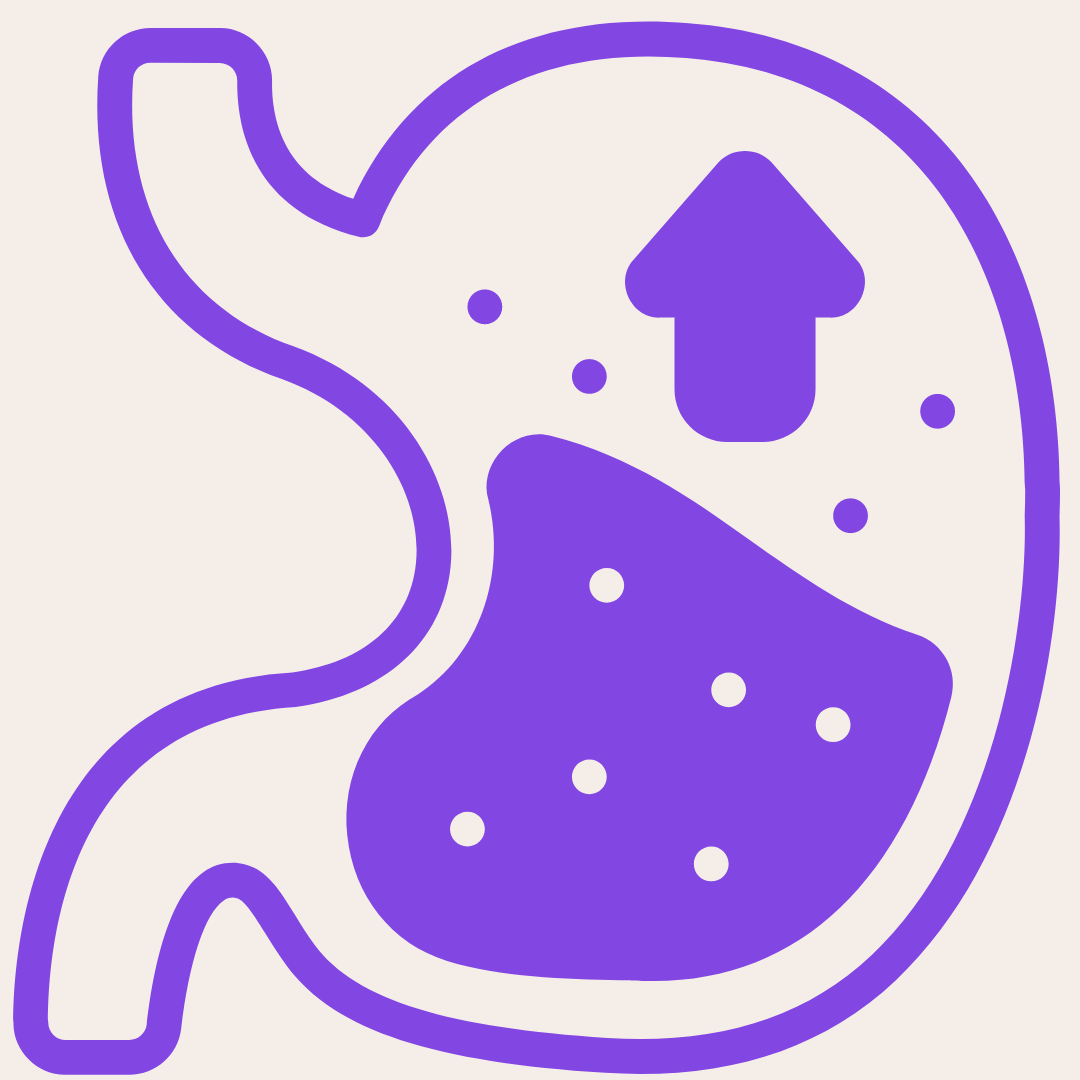
GERD is characterized by an upward movement of stomach contents into the esophagus. In this way, stomach contents (food, gastric secretions: HCl and pepsin) and even intestinal contents (e.g. bile) go in the opposite direction, rising to the top.
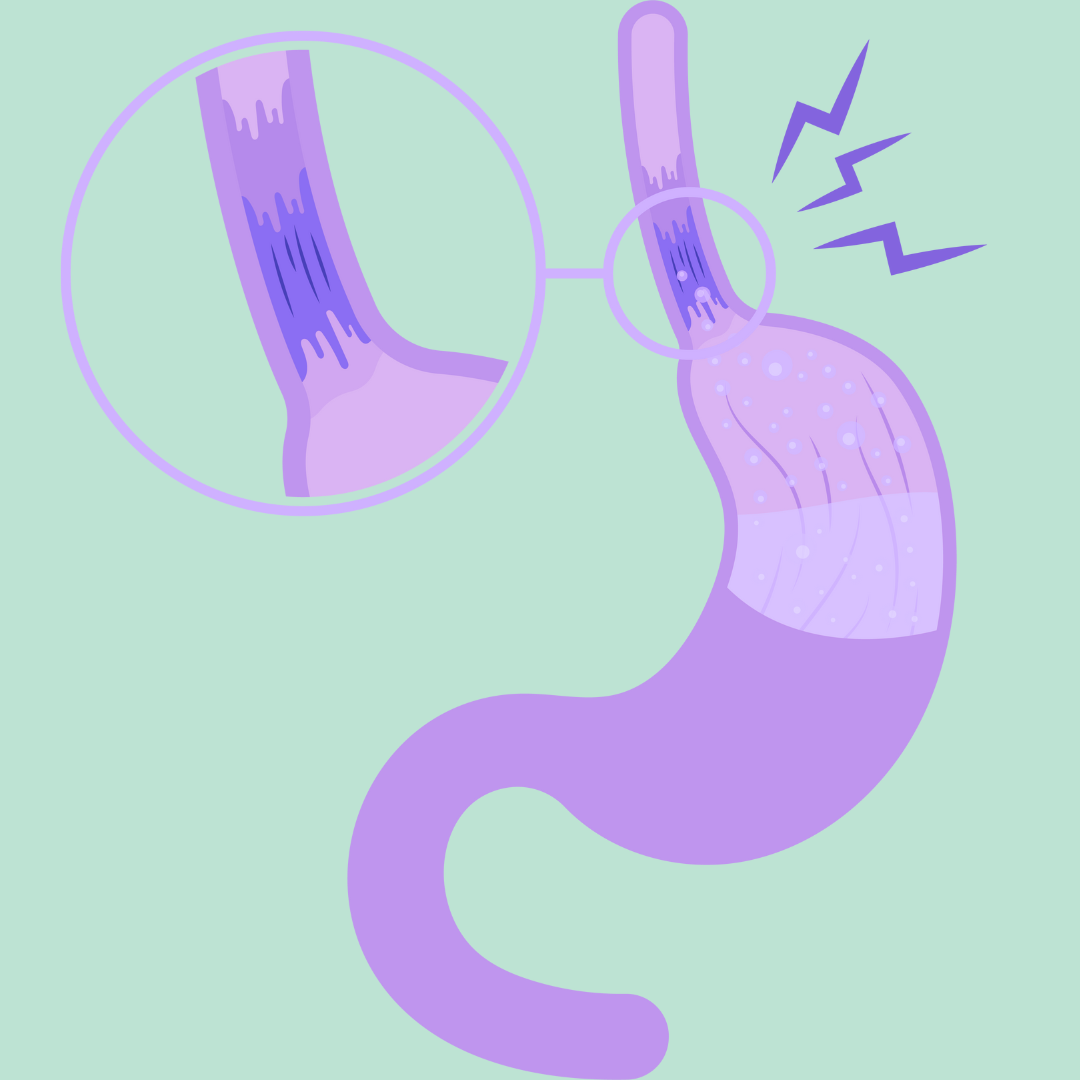
Symptoms such as discomfort, a bitter taste in the mouth and burning are mainly caused by the fact that, unlike the stomach, the lining of the esophagus has no protection against gastric acidity.
Why does the content rise to the top?
The esophagus and stomach are bounded by a sphincter called the lower esophageal sphincter (LES). This sphincter acts as a protective barrier. Normally, it lets food through to the stomach, then closes (under the effect of pressure variations).
Various factors can influence the effectiveness of the lower esophageal sphincter:
-
High abdominal pressure
Obesity, a large waistline (abdominal fat), pregnancy or tight clothing are all factors that increase pressure in the abdominal area. The pressure becomes so great that the sphincter “gives way” and gastric contents rise to the top.
-
Losing sphincter tone
Normally, the sphincter maintains sufficient tone to stay closed; however, in the case of certain diseases or conditions, its tone becomes practically nil! It should also be noted that certain medications and even certain foods can contribute to this loss of tone and promote reflux.
-
Hiatal hernia
-
A sphincter that relaxes for no reason
In the absence of swallowing, the sphincter remains closed. However, in an increasing number of GERD sufferers, the sphincter relaxes transiently and at inappropriate times (in the absence of swallowing).
What can cause or worsen reflux?
Among the main «culprits» that can cause reflux in predisposed individuals are :
- High-fat foods
- Alcohol
- Café
- Hearty meals
- Late-night meals
- Sugar-rich foods
How to relieve reflux?
The primary path to take is to reduce/correct the factors that cause reflux, and this involves a change in lifestyle and diet.
For example, reduce abdominal pressure (weight loss may be possible under certain conditions with the right support), avoid lying down after a meal, wear looser clothing, tighten the SOI and more.
- Eat slowly and take time to chew, it's the first step in digestion!
- Identify higher-fat foods and try to take a small amount (e.g. sausages, red meats, chips, cheeses, dressings, sauces).
- Pay attention to your satiety during meals and be comfortable afterwards.
- Validate if your reflux is accompanied by bloating. It may be a case of too much intestinal fermentation.
The other way is to suppress the acid that's coming back up, via various medications (determine this with the appropriate healthcare professional). This method may temporarily relieve discomfort, but acts as a band-aid and does not correct the problem at source.
P.S. These tips can temporarily limit symptoms. To put an end to the problem in the long term, it is necessary to determine the cause and obtain personalized recommendations.

Reflux: what to eat
Avoid going down various winding roads and opt for a straightforward approach. Some foods may be right for some people, while others may be just the opposite. Get to the source with personalized support.
You don't simply have to avoid certain foods, but rather treat the symptoms and identify the underlying causes of your health problems.

References:
- Merck Manuals. Gastroesophageal reflux disease (July 2023). https://www.merckmanuals.com/fr-ca/accueil/les-faits-en-bref-troubles-digestifs/maladies-de-l-%C5%93sophage-et-de-la-d%C3%A9glutition/reflux-gastro-%C5%93sophagien-rgo#:~:text=Le%20RGO%20se%20produit%20quand,’acide%20dans%20l’estomac.
- Nutrition Therapy for Upper GI Conditions and Disorders, Dietitian Deep Dive
- Poitras P., et al. The digestive system: From basic science to the clinic (third revised and expanded edition). (2020). Les Presses de l'Université de Montréal.
 French
  English