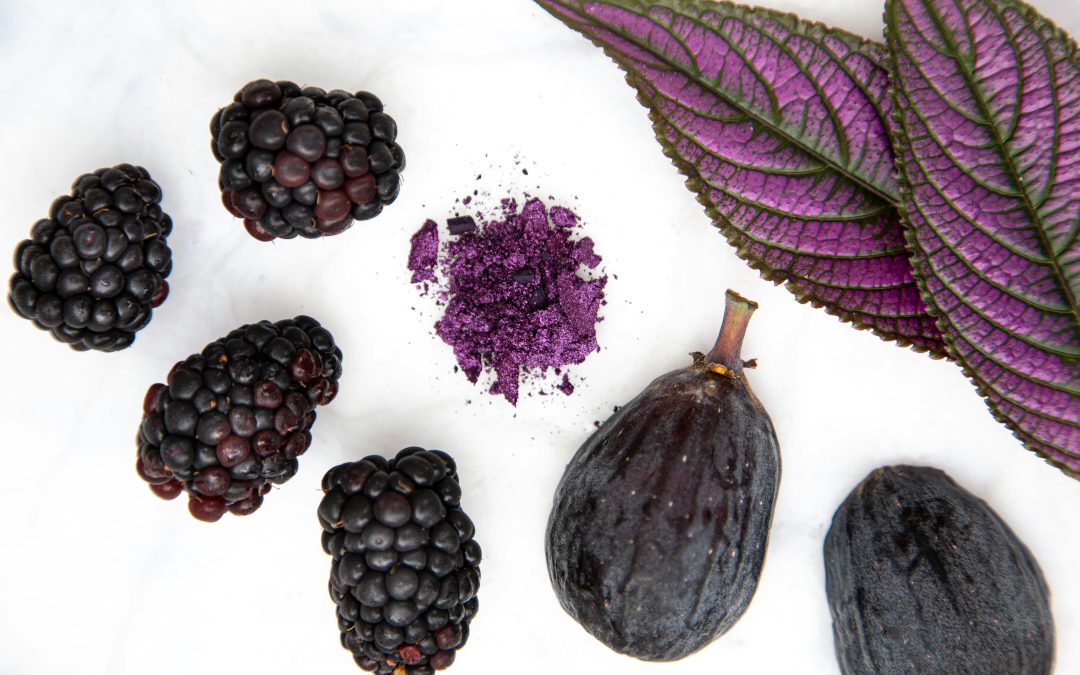
Diverticulosis or diverticulitis? Can it be prevented? Should I limit certain foods?
Diverticulosis or diverticulitis?
Synonyms? No !
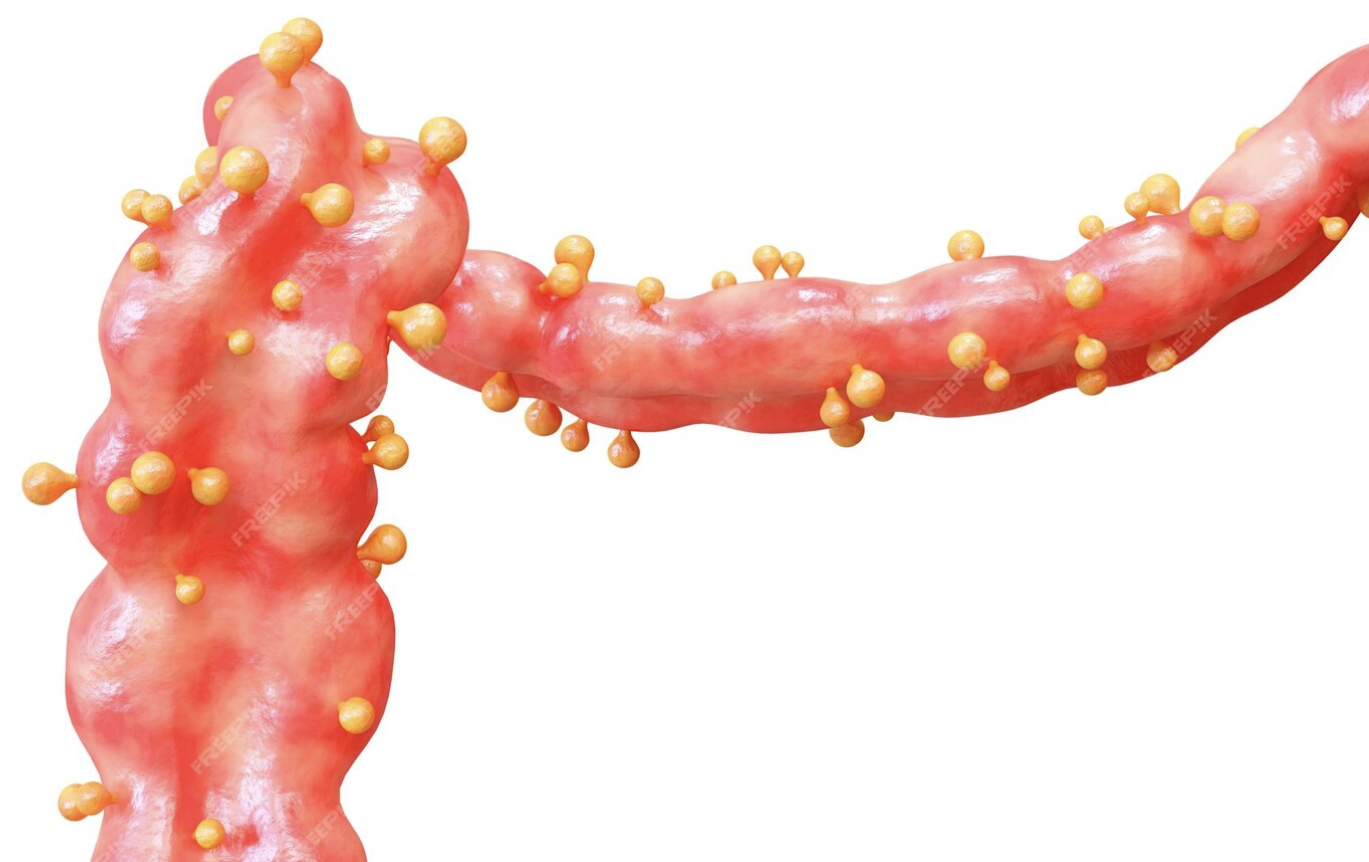
Diverticulosis is a condition indicating the presence of a diverticulum. A diverticulum is a herniation of the mucosa and submucosa through the muscular layer of the colon. In other words, the inner layers of the colon collapse into the outer layer of the colon.
Is it possible to suffer from diverticulosis? Not really, because diverticulosis is not a disease in itself and is, in the vast majority of cases, asymptomatic.
However, the presence of diverticulosis can lead to complications, which are highly likely to be painful and symptomatic. Among other things, inflammation of a diverticulum causes what is known as diverticulitis.
Diverticulitis, what is it?
Diverticulitis is the inflammation of a diverticulum, triggering an inflammatory response that generally manifests itself in the following three symptoms:
1. A pain (generally located in the left iliac fossa)
2. Fever
3. Leukocytosis (abnormal increase in the number of white blood cells in the blood, indicating a strong reactivity of the immune system)
What causes diverticulitis :
Diverticulitis is triggered by the perforation of a diverticulum, leading to an inflammatory response that may, in minor cases, be localized or, in more severe cases, may spread and cause an abscess or fistula with neighboring organs.
Treatment of the acute phase
Acute diverticulitis is diagnosed in hospital by a doctor and is usually treated with antibiotics or painkillers. During the active phase, it is generally advisable to opt for a residue-free diet (it is recommended to consult a nutritionist when applying this plan.
Can diverticulitis be prevented?
Recurrences are frequent. Around 30% of people who have had an attack will suffer a second one. Fortunately, complications are generally no more serious than the first.
Diverticulosis, as such, requires no treatment. To date, there is no «one» specific diet to prevent the onset of diverticulitis in people with diverticulosis. Multiple factors need to be taken into consideration. However, adopting a healthy diet may help optimize overall digestive health.
Consult a nutritionist
You have questions and would like to optimize your digestive health following a diverticulitis ? Our nutritionists are there to support you.
And fiber?
Some epidemiological studies have observed a link between dietary fiber intake and diverticulum prevalence. These studies have noted that a higher intake of dietary fiber may prevent the onset of diverticulum. However, the number of studies and evidence is insufficient to state that a high-fiber diet, while beneficial for many other reasons, can prevent the development of diverticula in the colon.
Myth or reality?
Can hard, sharp foods, pits or seeds perforate a diverticulum and trigger diverticulitis?
Wrong!
This myth is still very strong in popular belief, but it's not true. To date, no food or dietary gesture is known to prevent or trigger diverticulitis.
It is generally advisable to follow a high-fiber diet following an attack to prevent possible recurrences. Although this recommendation is not yet unanimous in the scientific literature, the fact remains that fiber is beneficial to intestinal health and can prevent the onset of other digestive complications.
Small fruit seeds and diverticulitis:
Now that the myth has been established, there is no need to strictly avoid small-seeded fruits such as raspberries, figs, strawberries, etc.*.
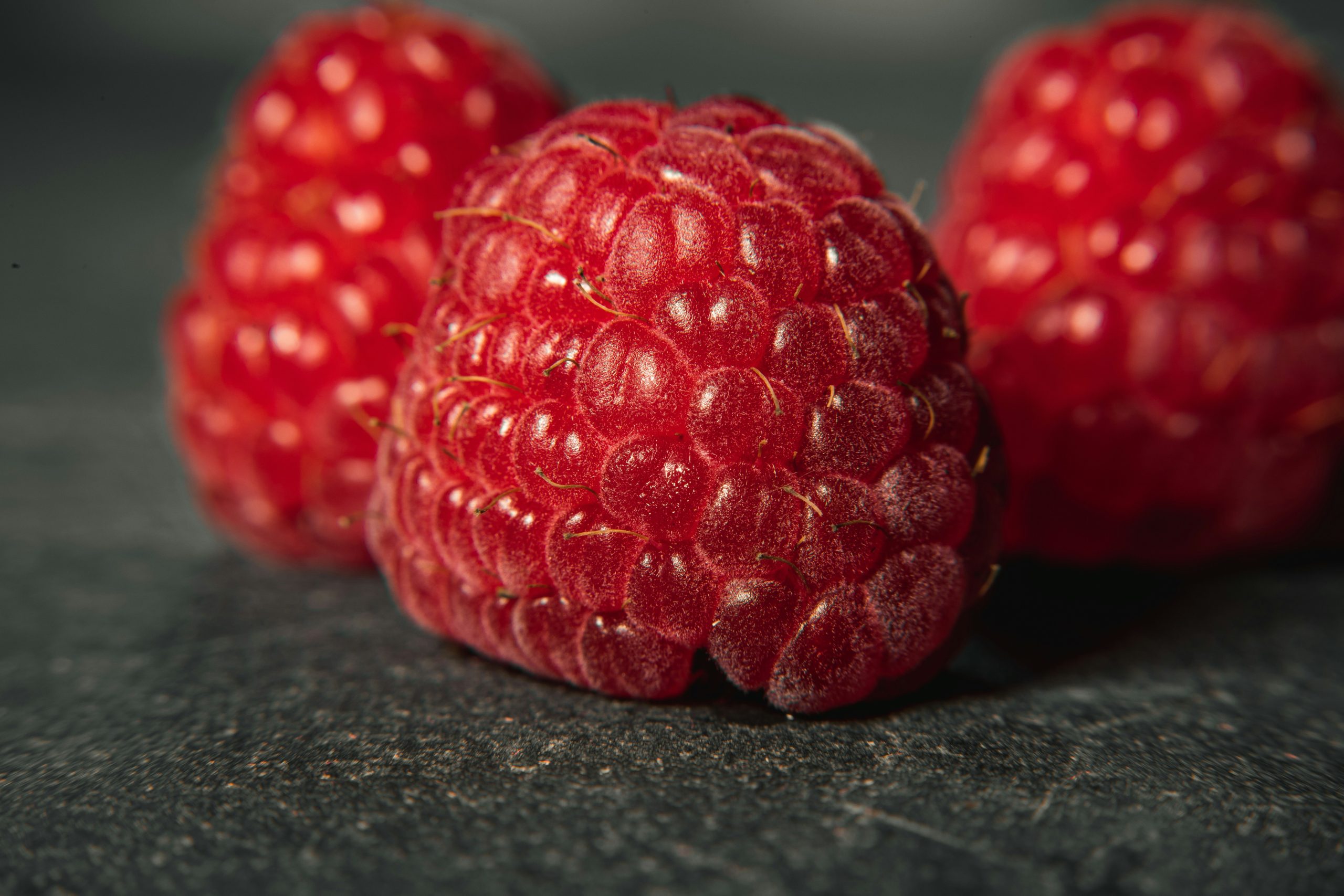
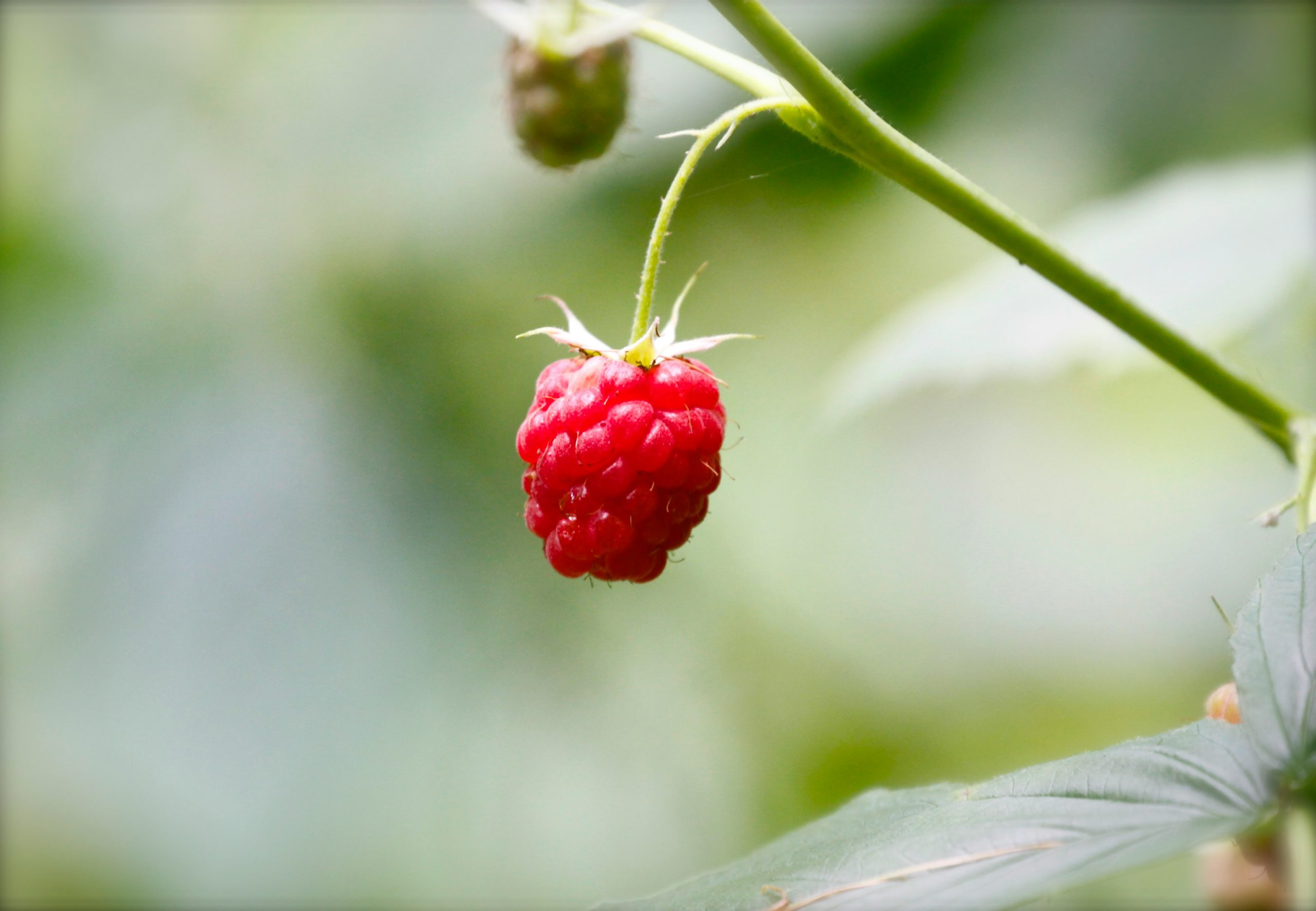
In particular, raspberries, those little red berries with their antioxidant power and high fiber content, don't have to be restricted. On the contrary, they are good for digestive and overall health. In addition to the many interesting polyphenols they contain (flavonols, anthocyanins), they contain ellagic acid, a compound studied for its potentially anti-carcinogenic effects.
Thanks to their insoluble fiber content, they are an ally for good intestinal transit:
Per 125 ml serving (½ t. / 84g)
4.6 g total fibre
1.3 g soluble fibre
3.3, g insoluble fibre
*It should be noted that every recommendation must be personalized. Ask your doctor about your situation and make sure you get the right nutritional support for your needs. your situation.
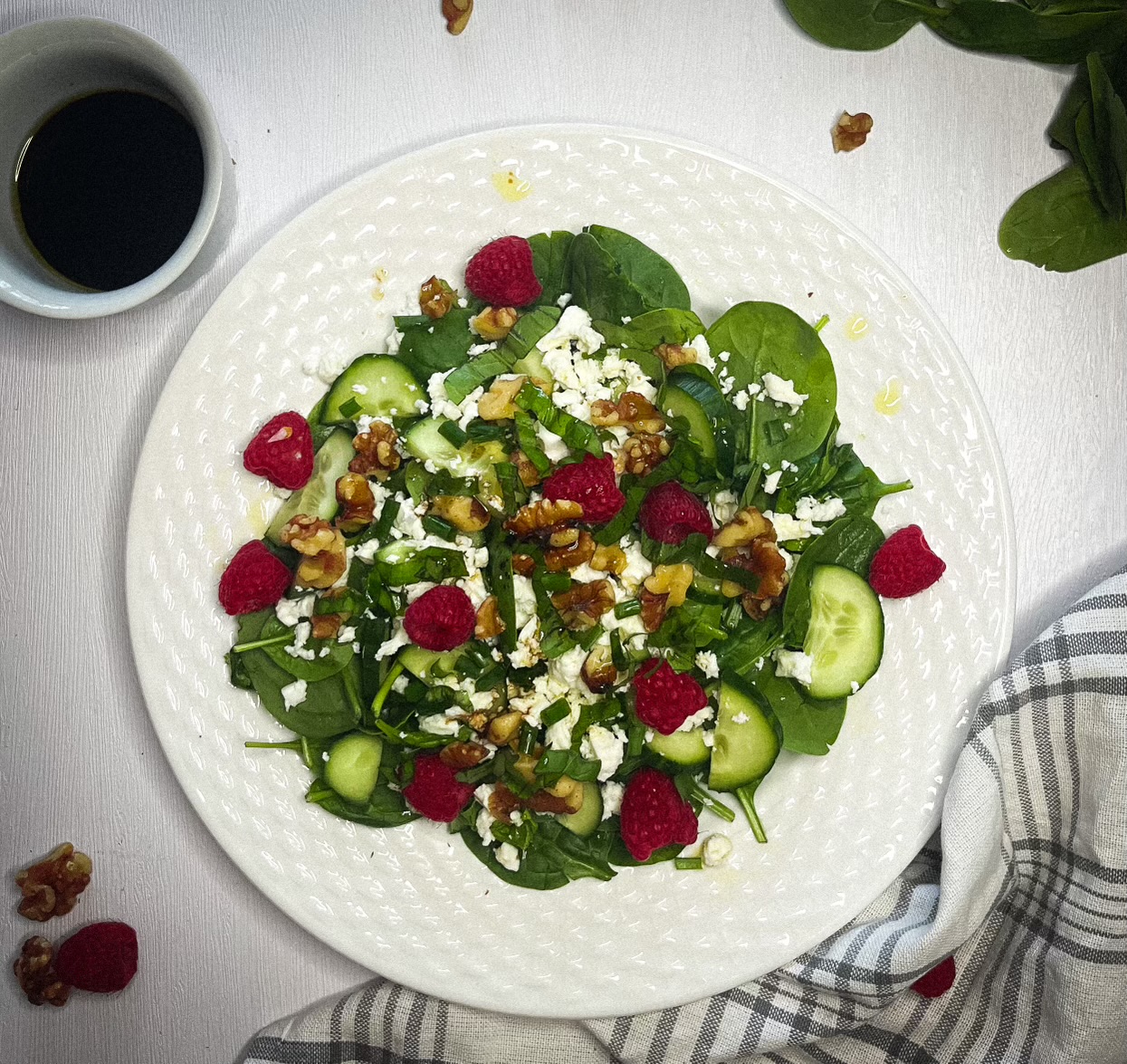
Recipes for enjoying raspberries!
References:
- Bobinaitė, Ramunė, et al. “Variation of Total Phenolics, Anthocyanins, Ellagic Acid and Radical Scavenging Capacity in Various Raspberry (Rubus Spp.) Cultivars.” Food Chemistry, vol. 132, no. 3, Elsevier Ltd, 2012, pp. 1495-501, doi:10.1016/j.foodchem.2011.11.137. https://pubmed.ncbi.nlm.nih.gov/29243641/
- Chen, Liang, et al. “Phytochemical Properties and Antioxidant Capacities of Commercial Raspberry Varieties.” Journal of Functional Foods, vol. 5, no. 1, Elsevier, 2013, pp. 508-15, doi:10.1016/j.jff.2012.10.009. https://www.sciencedirect.com/science/article/pii/S1756464612001557
- Government of Canada (2019). Canadian Nutrient File (CNF). https://aliments-nutrition.canada.ca/cnf-fce/?lang=fre
- Harvard University Health Services. (May 2004). Fiber Content of Foods in Common Portions. https://cookwithkathy.files.wordpress.com/2014/05/sifibre.pdf
- North Ottawa Wellness Foundation. (n.d.). Soluble & Insoluble Fiber Foods List. https://www.northottawawellnessfoundation.org/wp-content/uploads/2017/11/NOWF-Fiber-Content-of-Foods.pdf
- Poitras P. L'appareil digestif: Des sciences fondamentales à la clinique ( troisième édition revue et augmentée). (2020). Les Presses de l'Université de Montréal.
 French
  English