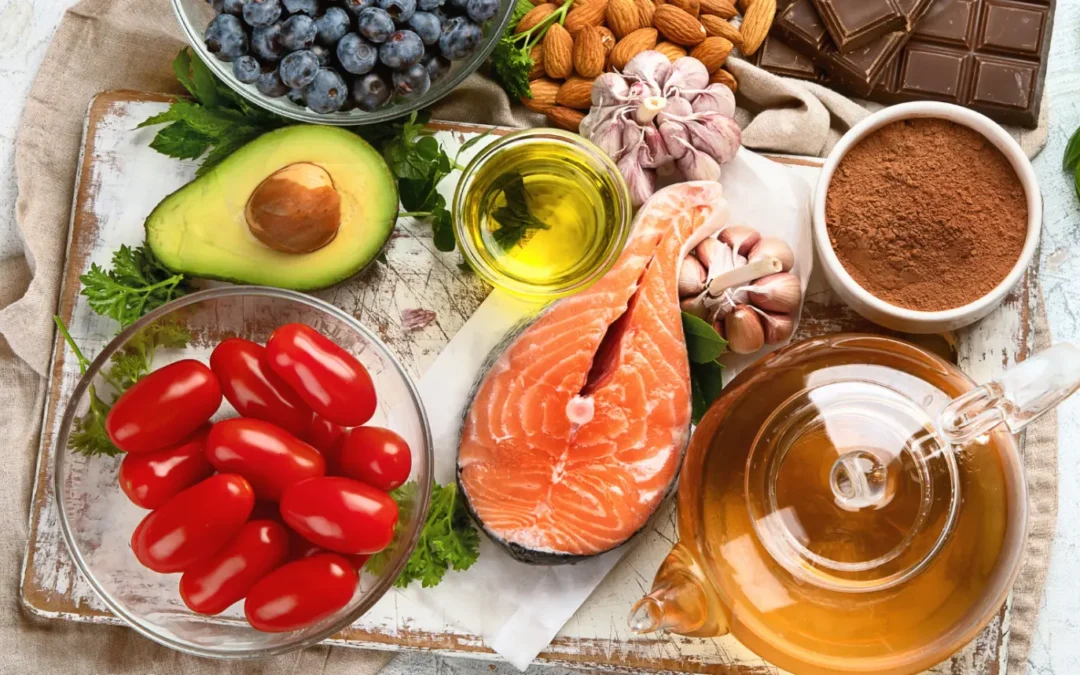
Anti-nutrients are often singled out for their potential negative effects on overall health. Let's explore together the main anti-nutrients in the diet and their potential impacts reported in the scientific literature in the form of questions and answers!
What is an anti-nutrient?
Anti-nutrients are plant food constituents that can interfere with the intake and absorption of certain nutrients (1)(2). The influence of anti-nutrients appears to be mixed. On the one hand, anti-nutrients are associated with negative impacts on the bioavailability of certain nutrients in foods, while other studies report potentially positive benefits through their antioxidant and anti-inflammatory roles (1)(2).
Why do plants produce anti-nutrients?
Anti-nutrients are defense mechanisms by which plants protect themselves from their environment, either from predators or certain diseases (1)(2).
What are the main anti-nutrients found in plant foods?
There are several anti-nutrients in foods which can be categorized by their chemical structure and functional significance (1).
These include (1) :
Lectins
Tannins
Goitrogen
Oxalates
Phytates
Estrogen
Solanines
The main anti-nutrients
Lectins
Potential adverse effects
Lectins have been reported to have potential negative effects on digestive health. Indeed, because they are resistant to the activity of digestive enzymes, lectins can remain intact in the digestive system (1). Studies have reported that exposure to large quantities of lectins can lead to leaky gut syndrome (1). It is characterized by increased intestinal permeability. (1)(2) The intestinal wall becomes more porous, allowing substances such as toxins and bacteria to leak into the bloodstream (1). This leakage triggers an immune response and can lead to inflammation throughout the body. (1) On the other hand, it is important to note that these disturbances were observed in the animal studies (2). Few studies have been carried out in humans on lectin consumption and digestive health (3).
Dietary sources of lectins
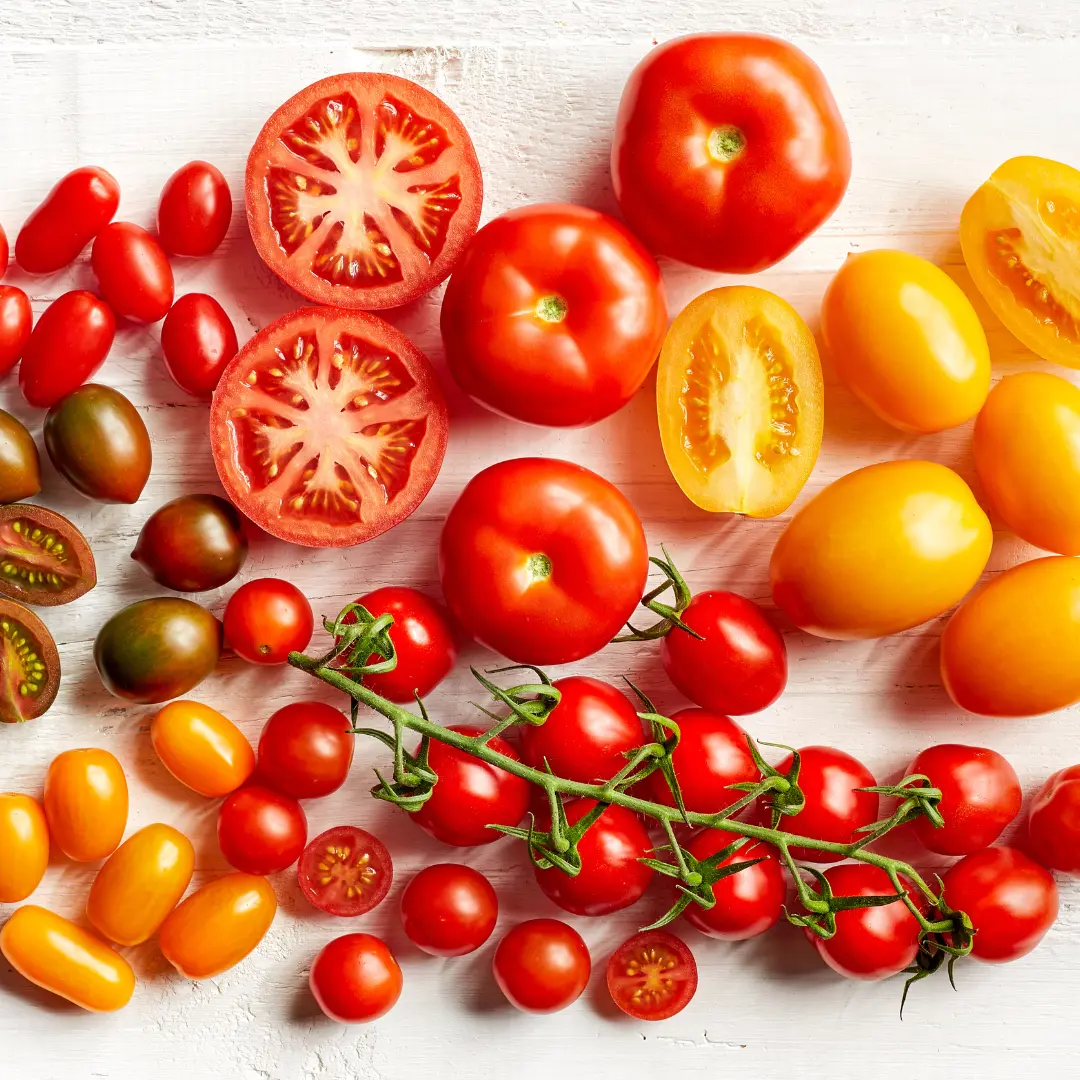
Wheat, nuts, cereals, quinoa, beans, legumes, peas, carrots, tomatoes, peppers, eggplant, paprika, potatoes (1)(2)(3)
In brief: lectins
Studies report potentially negative impacts on intestinal health when lectins are consumed. These mechanisms were present in animal studies and these disturbances have not been observed in humans. Current science does not justify withdrawing or limiting the consumption of these foods. and, on the contrary, promotes nutrients such as prebiotics for digestive health!

Tanin
Tannins are present in many of the foods we eat every day. They impart a bitter, astringent taste, as in red wine and coffee (1).
Food sources of tannins
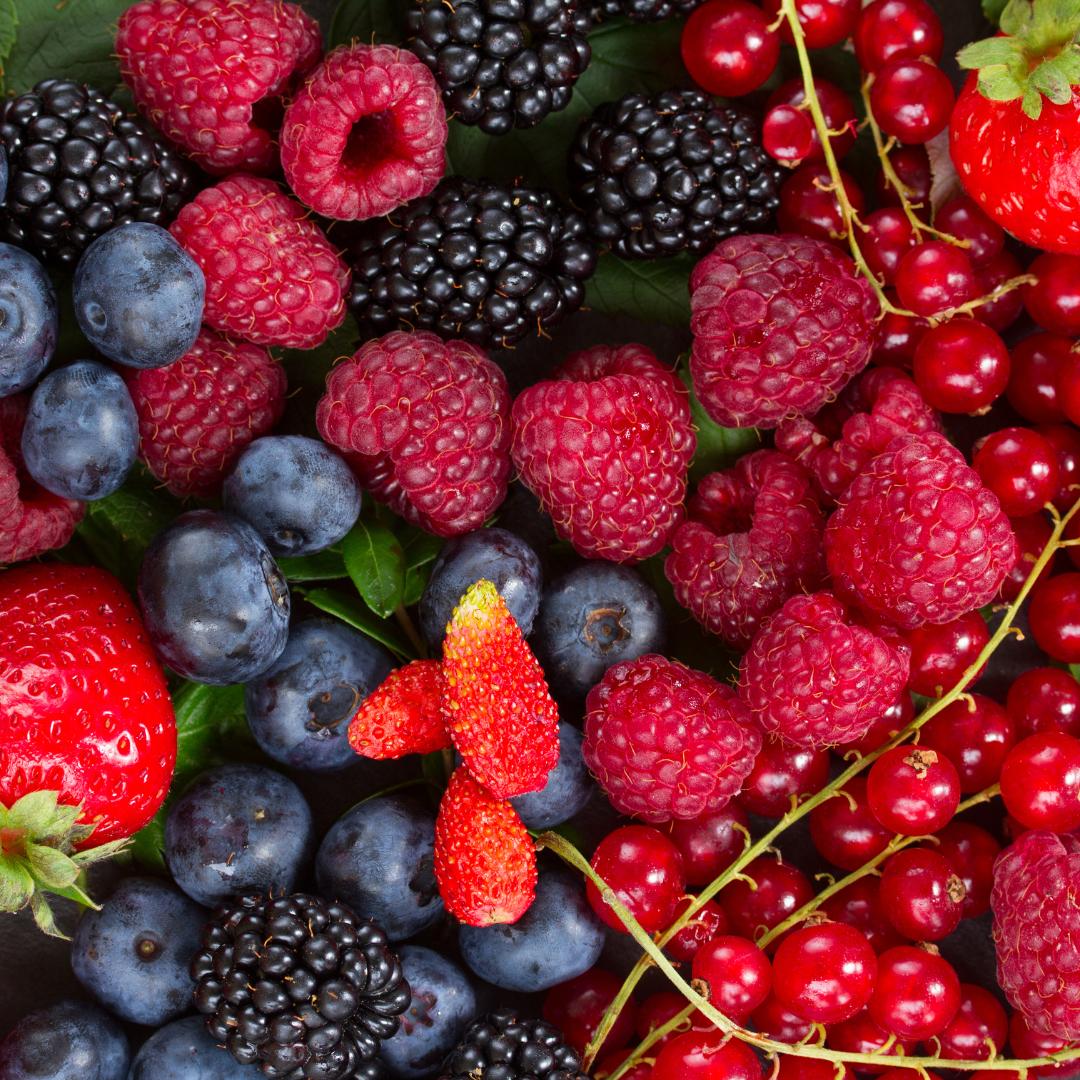
Tea, coffee, cocoa, grapes, apples, apricots, berries, stone fruits, nuts, wine (1)(3)
Potential adverse effects
Tannins appear to interfere with the absorption of certain nutrients. Indeed, they can act as chelators, slowing the absorption of minerals such as iron, copper and zinc (3). Thus, tannins seem to be associated with reduced iron absorption and reserves in the body (1)(3)(4).
On the other hand, the impact of tannins on iron is not well known. no consensus in studies. In fact, epidemiological studies (of populations) only report no correlation (link) between dietary tannin intake and iron-deficiency anemia (3).
Nevertheless, to reduce the potential impact of tannins on iron absorption, it is recommended to separate tea and coffee from meals (3). Also, pairing the consumption of tannin-rich foods with a dietary source of vitamin C, The use of a wide range of products, such as vegetables and fruit (e.g. broccoli, peppers, strawberries, apples, citrus fruits), reduces its potential impact (3).
Potential positive effects
Research reports the benefits of tannins through their high content of polyphenols (3). Having roles antioxidants, Polyphenols are associated with a reduced risk of type 2 diabetes and cardiovascular disease (3). What's more, polyphenols are prebiotics for intestinal bacteria (3).
In a nutshell: tannins
Tannins appear to possibly impair iron absorption from the diet (1, 3). Combine them with a source of vitamin C (e.g. vegetables, fruit) is one way of reducing their impact (3). In addition, distancing coffee and tea from meals is a preventive behavior. Pay more attention to tannins if you have higher needs (eg. woman, pregnancy) or that iron sources are more limited in your diet (ex. vegetarianism, veganism). On the other hand, no study has shown the need to limit tannin intake. From benefits are documented for their polyphenol content, an antioxidant that promotes overall health (1)(3)!


Goitrogen
Tannins are present in many of the foods we eat every day. They impart a bitter, astringent taste, as in red wine and coffee (1).
Dietary sources of goitrogens
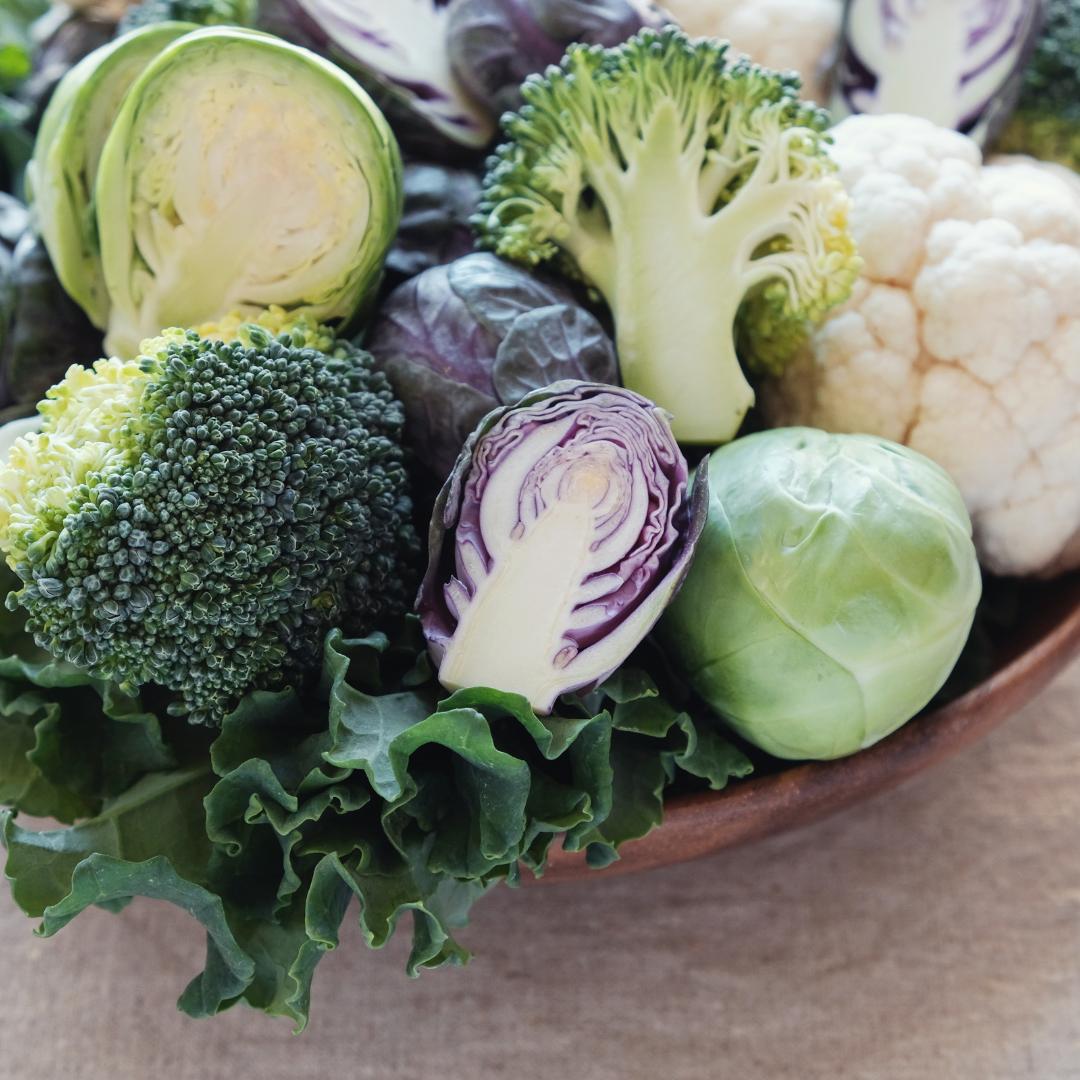
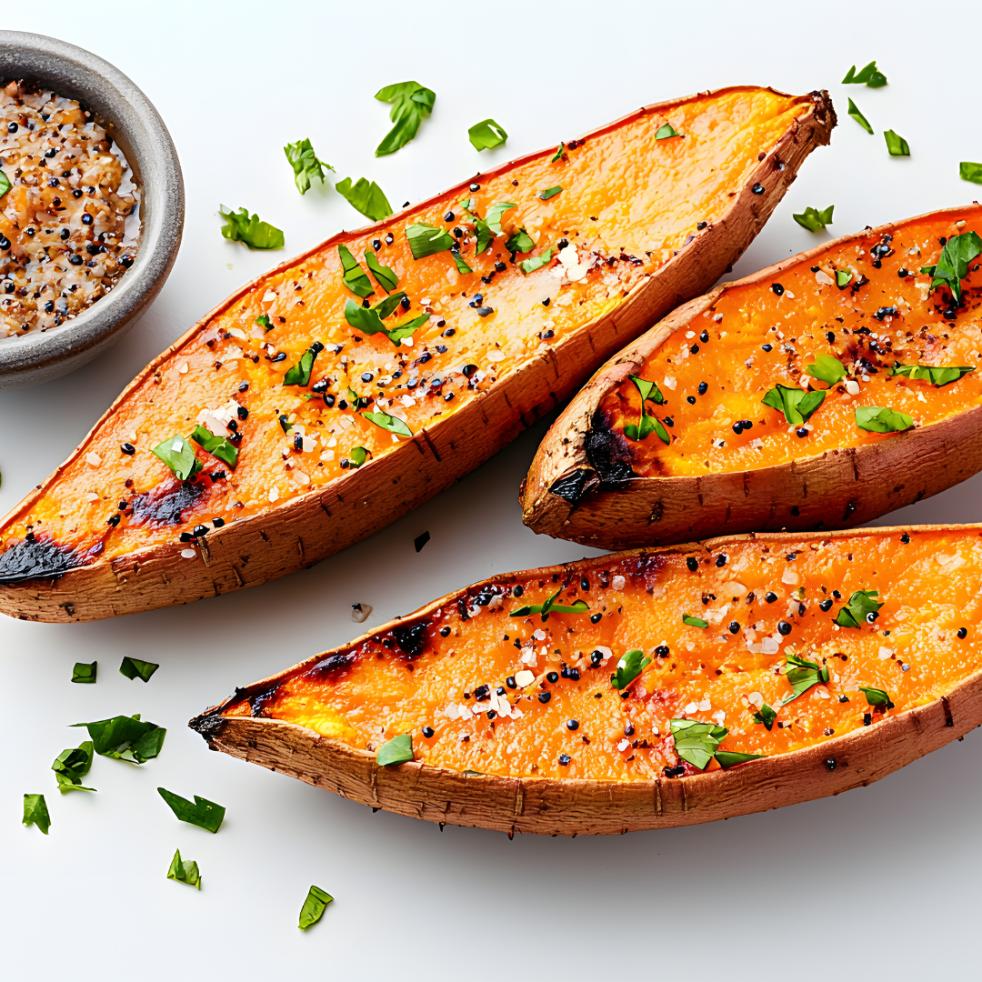
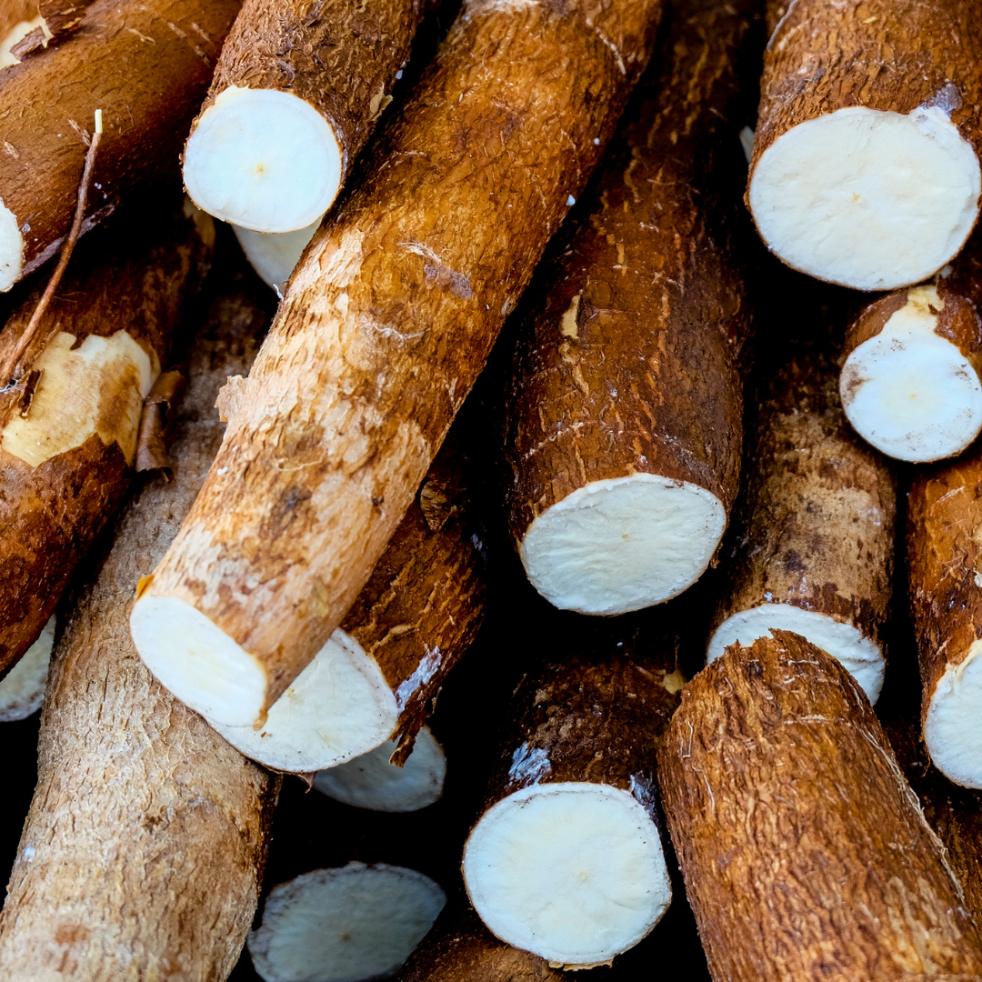
Cruciferous vegetables (cabbage, broccoli, cauliflower, kale, Chinese cabbage, turnip), sweet potato, soybean, millet, cassava (1)(2)(3)
Potential adverse effects
Goitrogens are reported to inhibit (impair) the absorption of’iodine and synthesis of thyroid hormones (1)(2)(3). This association is explained by the fact that goitrogens can reduce iodine release from the thyroid gland by acting as a competitive inhibitor (2). Thus, goitrogens can interfere with thyroid function and increase the risk of certain diseases. thyroid diseases such as hypothyroidism and goiter (1)(2)(3).
On the other hand, these associations with disease risk are controversial in the literature, with results differing between studies (2). The adverse effects of goitrogens are present when a low iodine diet (2)(3). Thus, for people with thyroid disease (e.g. hypothyroidism, hyperthyroidism) or who are at greater risk of these diseases, it is important to focus on adequate iodine intake in the diet to limit the potentially harmful effects of goitrogens.
Examples of iodine-rich foods Fish, seafood, iodized salt, dairy products, eggs, seaweed.
On the other hand, in people without thyroid disease, or who are not at risk of thyroid disease, goitrogens are not associated with a risk of serious health damage when consuming a balanced diet (3).
Potential positive effects
The consumption of goitrogens seems to be associated with some benefits on health, including reducing thyroid cancer and improving metabolic and neurodegenerative diseases (2, 3). These benefits appear to be attributed to their roles anti-inflammatories (2).
In brief: goitrogens
Foods rich in goitrogens seem to interfere with thyroid function. If you have a thyroid disease (e.g. hypothyroidism, hyperthyroidism), it is important to have adequate iodine intake in your diet to limit their potential impact! For other people, no study has shown the need to limit the intake of goitrogens, but on the contrary!
Oxalates
Tannins are present in many of the foods we eat every day. They impart a bitter, astringent taste, as in red wine and coffee (1).
Dietary sources of oxalates
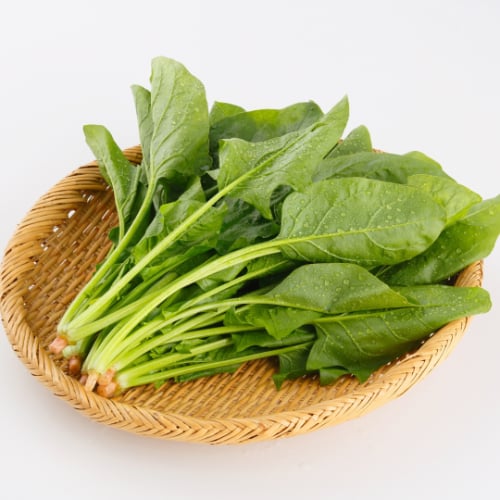
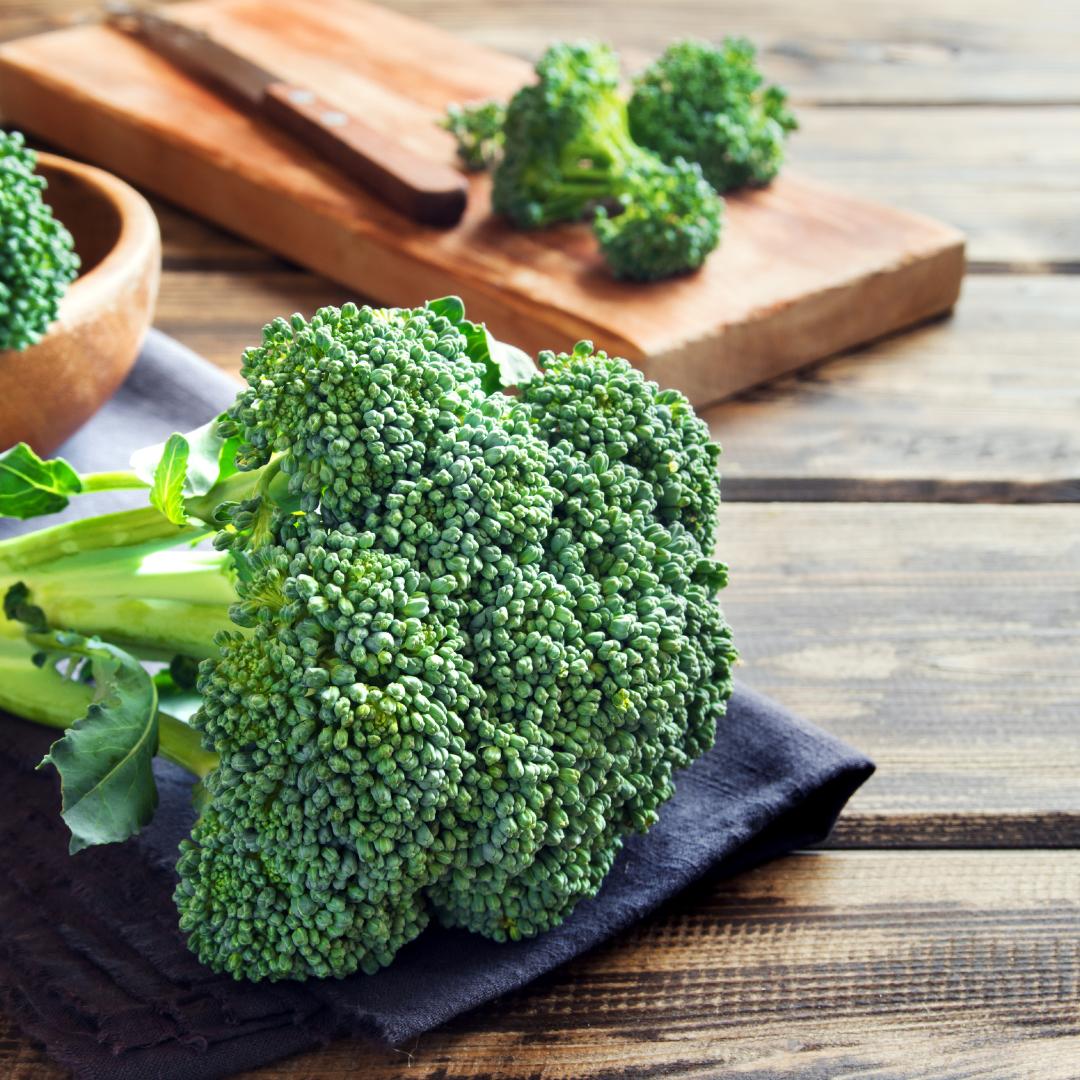
Spinach, kale, broccoli, rhubarb, beet greens, amaranth, taro, Swiss chard, sweet potatoes, soybeans, walnuts, sorrel, legumes (1)(2)(3)
Potential adverse effects
Oxalates are associated with reduced absorption several minerals, including zinc, iron, calcium and magnesium (1, 3, 4). In addition, many report that high consumption of oxalate-rich foods can contribute to the formation of kidney stones, or the kidney stones (1)(2)(3)(4).
One way to reduce the impact of oxalates is to consume them with calcium-rich foods (1)(2). In fact, the risk of kidney stone formation is higher in people with lower dietary calcium intakes (1)(2)(3).
Examples of calcium-rich foods Dairy products (milk, yoghurt, cheese), fortified plant-based beverages, green vegetables, fish, legumes, tofu.
Recent scientific data also mention that the impact of oxalates on kidney stones is less overall than has been the case in recent years, and the consumption of animal proteins has a greater impact than plant proteins (3)!
In a nutshell: oxalates
Given the potential links to kidney stone formation, you may want to pay attention to their intake if you're at risk for this condition. Combining the consumption of oxalate-rich foods with a healthy diet is a good way to reduce the risk of kidney stones. source of calcium helps limit this risk. In addition to this context, consumption of oxalates is not limited by a balanced diet.

Phytates
Tannins are present in many of the foods we eat every day. They impart a bitter, astringent taste, as in red wine and coffee (1).
Dietary sources of phytates
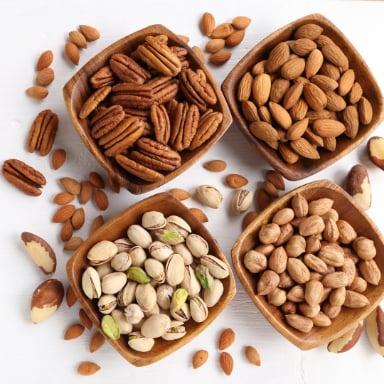
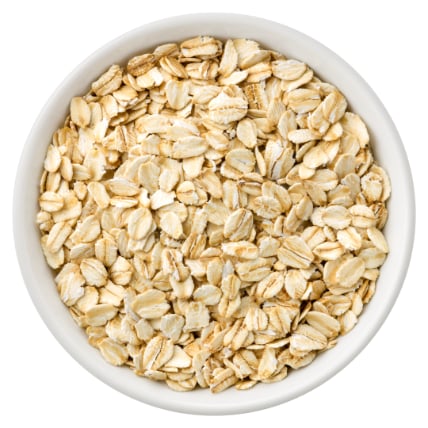
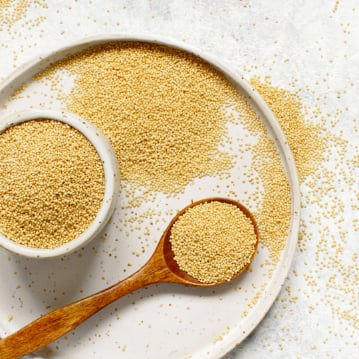
Pulses, cereals, oats, beans, amaranth, nuts, seeds (1)(2)(3)(4)
Potential adverse effects
There is some evidence that phytates may interfere with the absorption of several minerals including zinc, iron, calcium and magnesium (1, 2, 3, 4). Like tannins, phytates are chelators of these nutrients, limiting their absorption (2, 3).
Combine the consumption of foods rich in fibers and in vitamin C to those rich in phytates could minimize their potential negative impact (2, 3). For example, pairing the consumption of legumes with vegetables or fruit, The inclusion of high-fiber, vitamin C-rich foods in the same meal helps limit the impact on nutrient absorption.
Potential positive effects
Several studies report that phytates have positive effects, as they are rich in antioxidants (2) (3). Their consumption is associated with a reduced risk of certain chronic diseases such as diabetes and cardiovascular disease (1) (2).
In brief: phytates
The benefits of phytate-containing foods for human health outweigh their potential effects in reducing mineral absorption (3).
How can we reduce the anti-nutrient content in food?
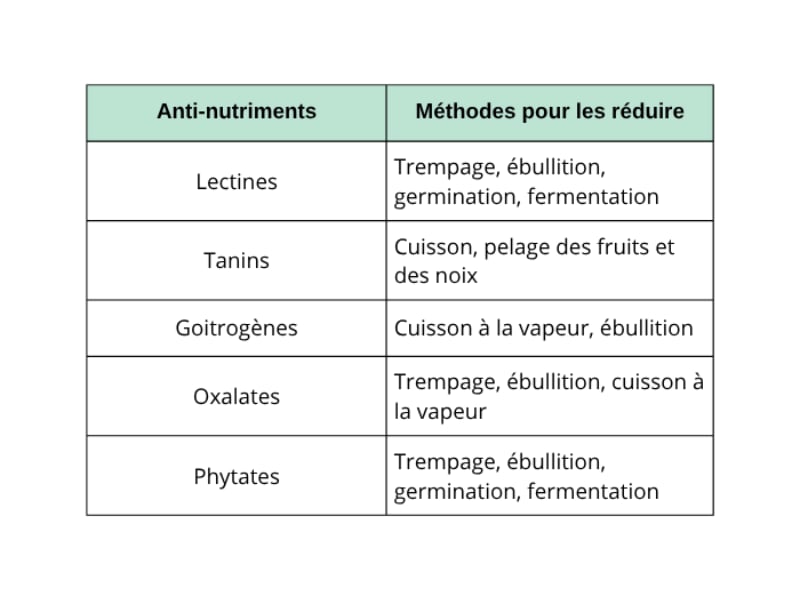
There are many ways to reduce anti-nutrient levels in foods. Soaking, cooking, fermentation and germination are the main methods (3, 4).
Here's a table summarizing the anti-nutrients present in foods (3, 4)
In conclusion
Are anti-nutrients dangerous to health and do they really reduce mineral absorption?
Anti-nutrients are not dangerous for overall health. They can reduce’absorption of certain nutrients, mainly minerals such as iron and zinc. Some nutritional recommendations, The consumption of calcium with oxalate-rich foods limits these absorption impacts.
Do anti-nutrients have potential beneficial effects?
Yes, several studies report beneficial effects anti-nutrients due to their high content of antioxidants, in fibers and in prebiotics for the majority. With the exception of specific health conditions, the benefits of anti-nutrient-rich foods seem to outweigh potential mineral alterations!
Bet a colorful, plant-based diet is the key to overall health, anti-nutrient or not!
Want to incorporate vegetarian meals in a balanced way? Here is a 4-week vegetarian menu to your liking.
References :
- Arsov et al (2024) Bacterial Degradation of Antinutrients in Foods: The Genomic Insight. Foods Jul 29;13(15):2408. https://pubmed.ncbi.nlm.nih.gov/39123599/
- Lopez-Moreno et al. (2022) Antinutrients: Lectins, goitrogens, phytates and oxalates, friends or foe? Journal of Functional Foods, Volume 89, 104938. https://www.sciencedirect.com/science/article/pii/S1756464622000081
- Petroski and Minich (2020) Is There Such a Thing as “Anti-Nutrients”? A Narrative Review of Perceived Problematic Plant Compounds. Nutrients Sep 24;12(10):2929. https://pubmed.ncbi.nlm.nih.gov/32987890/
- Tiwari and Dubey (2025) Adverse effects of antinutrients on human health: a systematic review. International Journal of Scientific Reports, 11(2), 73-79. https://www.researchgate.net/publication/388364290_Adverse_effects_of_antinutrients_on_human_health_a_systematic_review
 French
  English