
Find out which foods ultra-Learn about the impact of processed foods on health, so you can make informed choices!
What levels of food processing are involved?
To understand what ultra-processed food is, it's important to understand what food processing is.
The pillars of our diet (NOVA 1)
Unprocessed foods
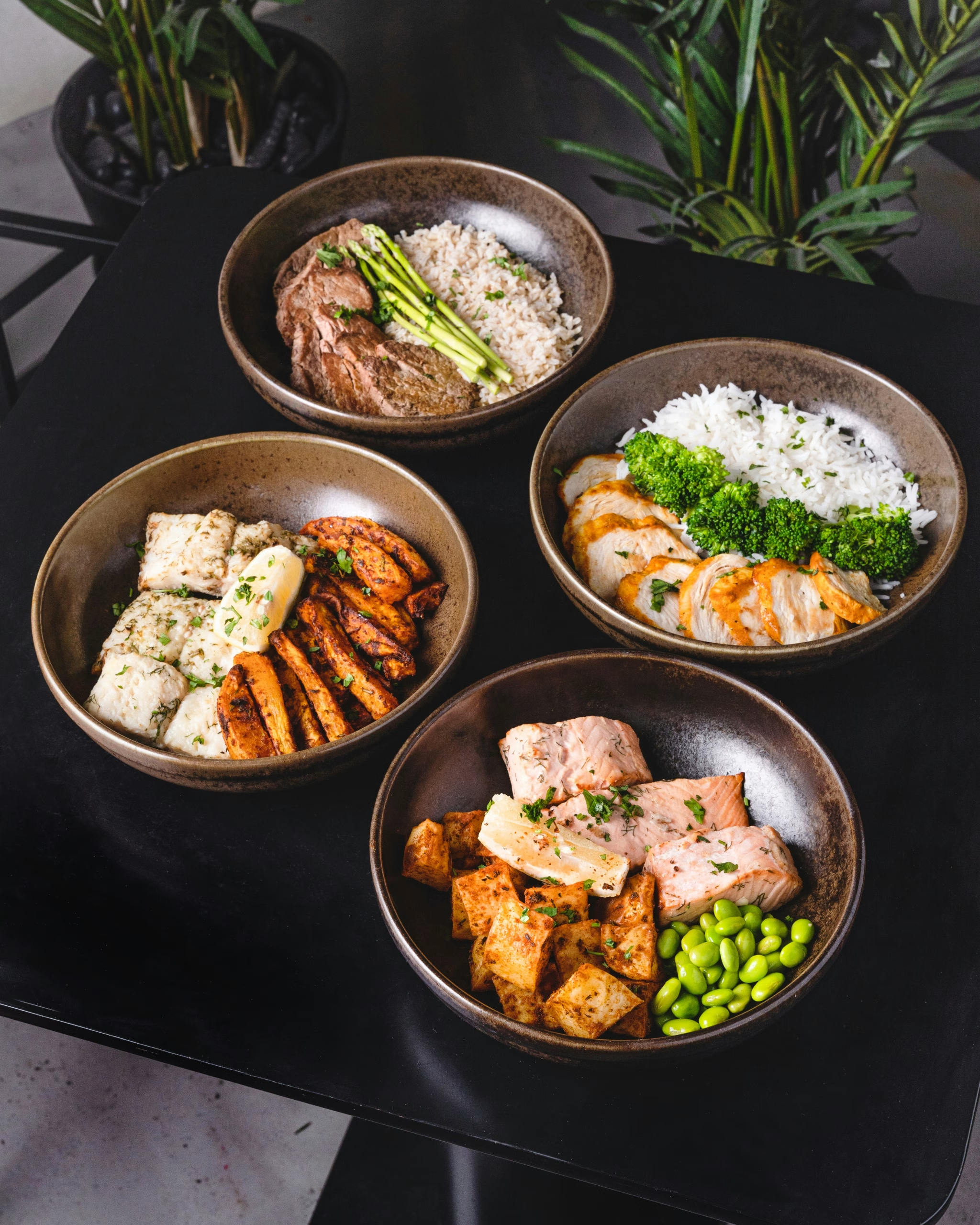
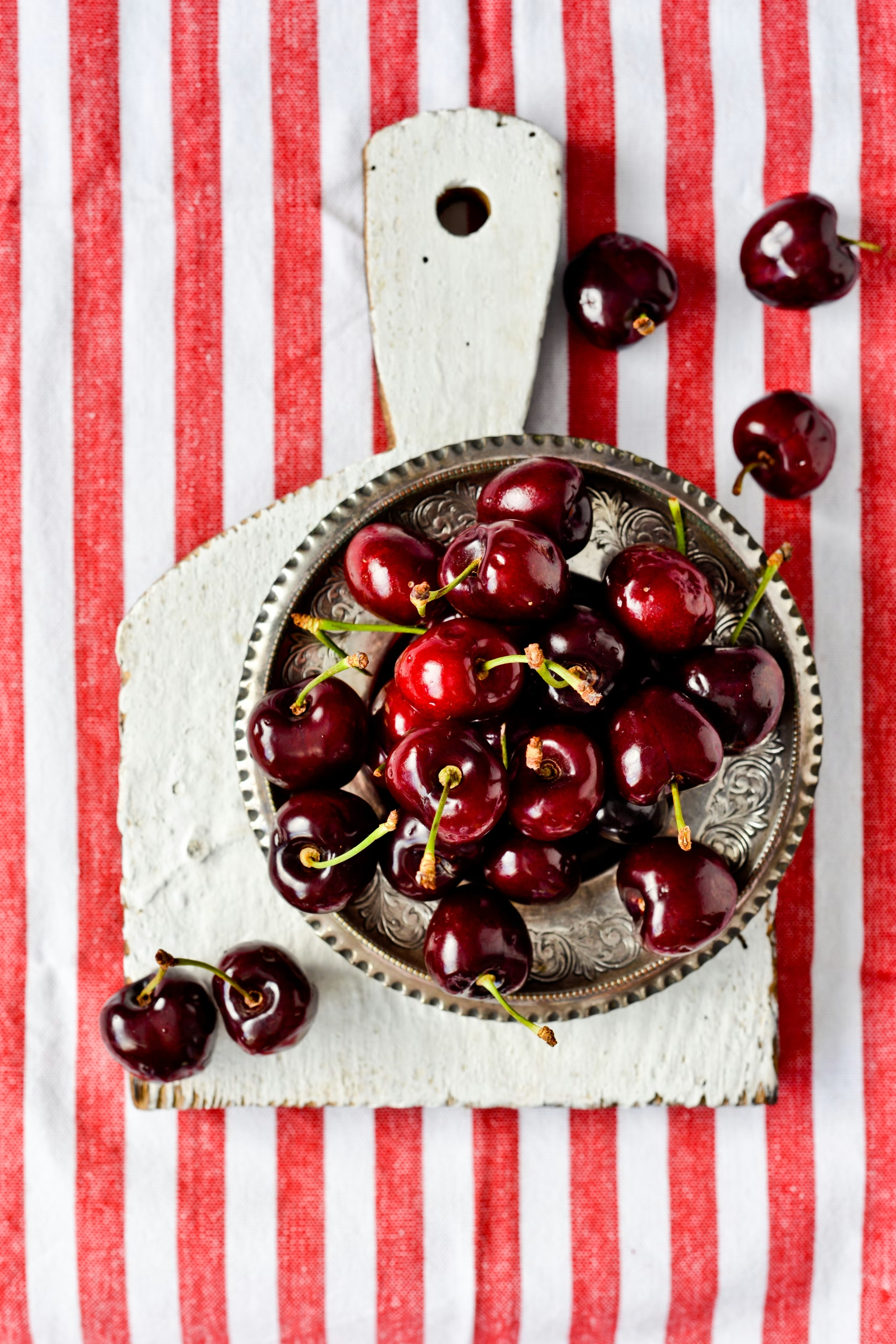
Unprocessed foods (NOVA 1) are foods in the most natural and raw state possible, a state similar to the form they take in nature. They include fresh fruits and vegetables, meat, fish, eggs, milk, whole grains, legumes, nuts and seeds.
Minimally processed foods
Minimally processed foods are fresh foods that have undergone processing to preserve them, make them safe and/or edible. These processes include refrigeration, freezing, pasteurization (e.g. of milk), dehydration, addition of spices or certain vitamins, and physical modification (e.g. production of flour from whole grain). These are the foods that should make up the majority of your diet. They are the pillars of a healthy diet.

Culinary ingredients (NOVA 2)
Culinary ingredients
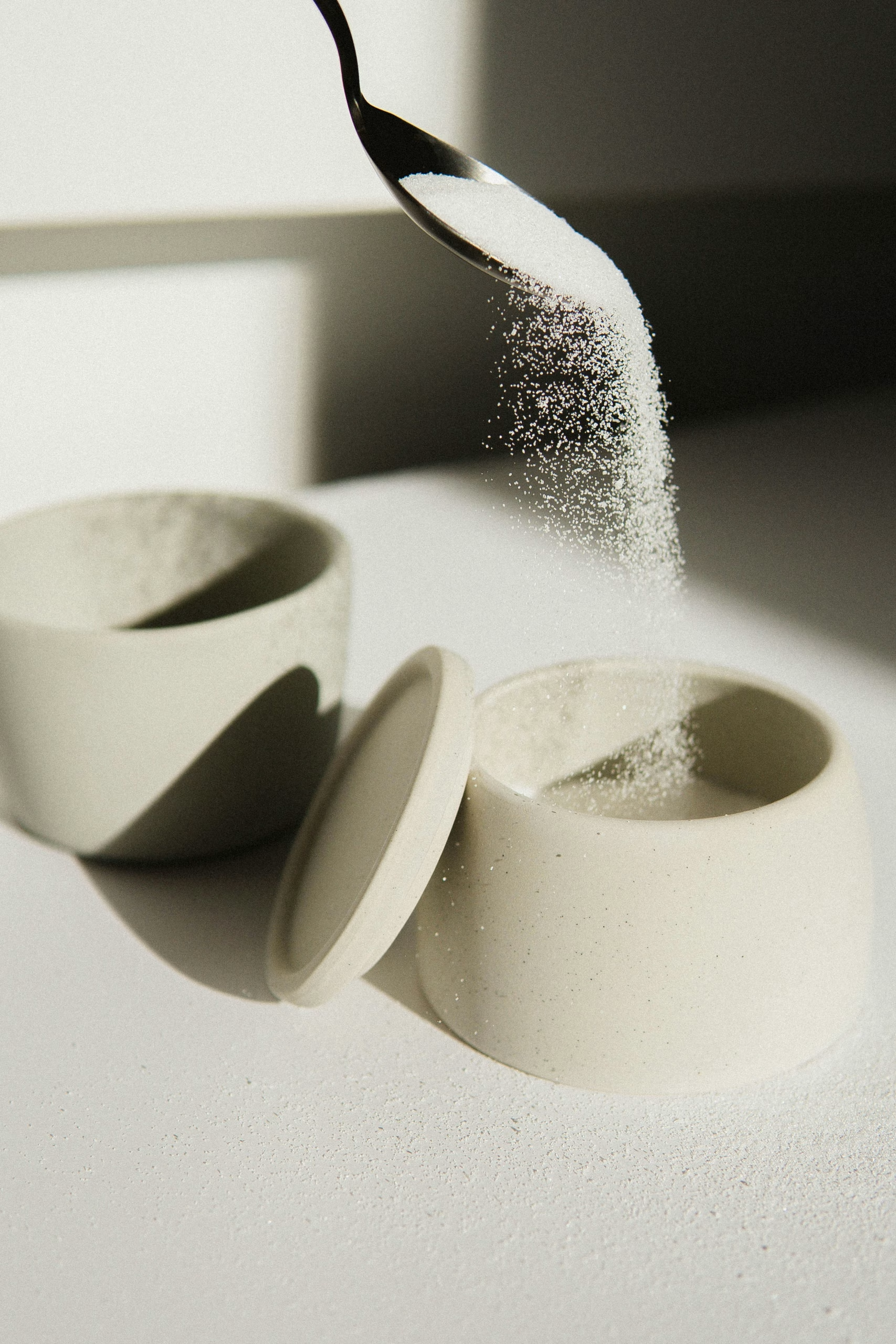
We're talking here about foods extracted and refined by industry from natural foods. Think of oil, butter, sugar and salt. They are not intended to be eaten on their own, and are normally used in limited quantities in the kitchen when preparing meals.

Other foods in a balanced diet (NOVA 3)
Processed foods include bread, cheese, yogurt, fish, canned vegetables and fruit. These are basic foods to which culinary ingredients have been added or a transformation process (e.g. fermentation) has been carried out to preserve them, improve their organoleptic quality or simply make them edible!
Processed foods
Processed foods (NOVA 3), such as bottled vegetable juices, canned fish, fruit in syrup, cheeses and freshly baked bread, are made mainly by adding Group 2 salt, oil or sugar to Group 1 foods.
It's worth remembering that processed foods, even though they have been transformed, are still recognizable and provide similar nutritional value to the basic product. Foods in NOVA groups 1, 2 and 3 correspond to a balanced, healthy diet.
Feeds ultra-processed (NOVA 4)
Most foods sold are processed, but some are ultra-processed. The distinction may seem difficult, but the difference can be summed up by the fact that ultra-processed foods are simply no longer food, strictly speaking.
For example, plain cheese or yogurt are processed foods (i.e., a mixture of milk, salt and bacterial culture followed by a fermentation process). On the other hand, orange cheese or pink yogurt are ultra-processed foods.
Ultra-processed foods are products formulated by industry and essentially made up of refined substances extracted or derived from foods and additives.
These include:
Some breakfast cereals, flavoured oatmeal
Some industrial breads, crackers, chips, salty snacks
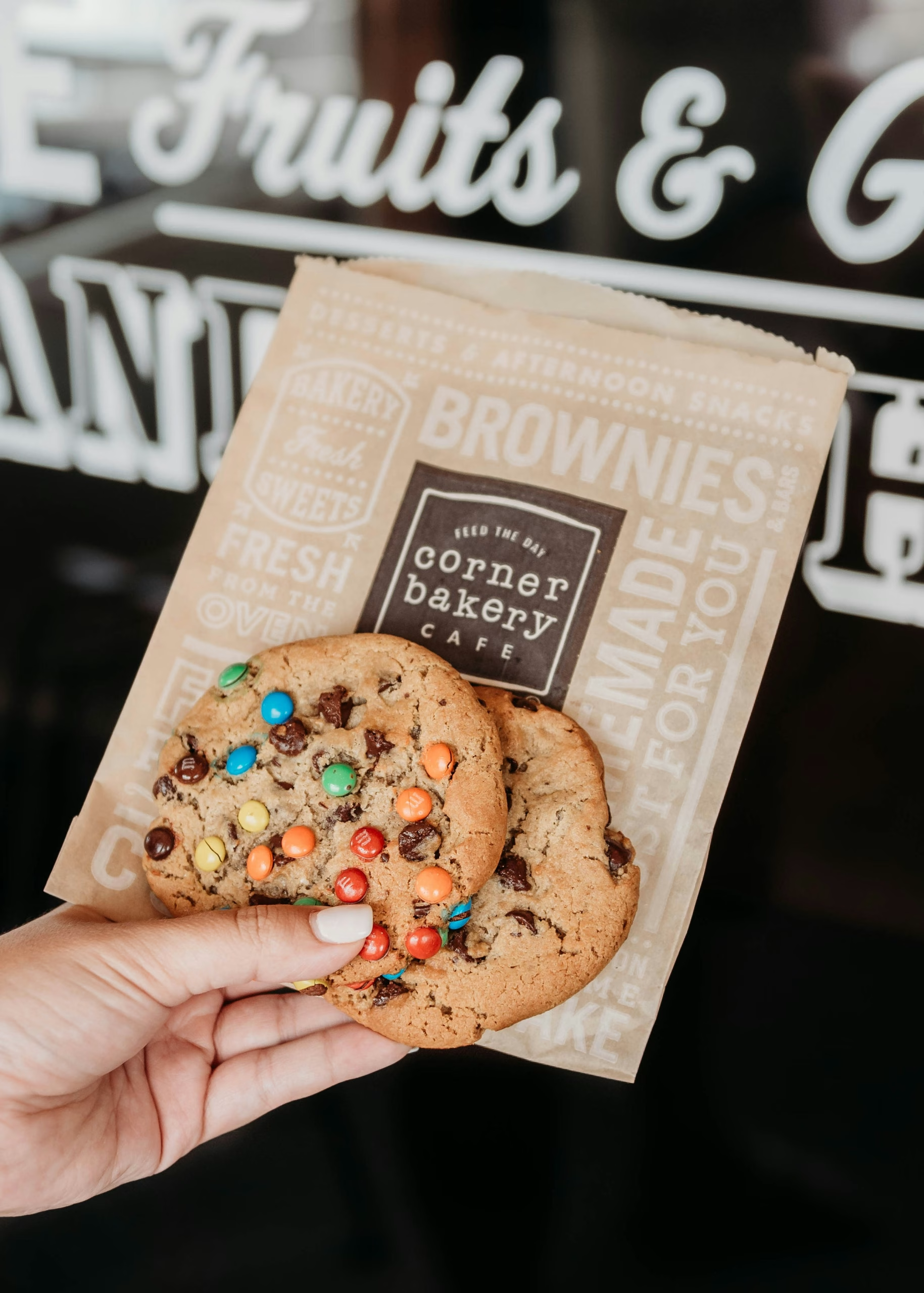
Cookies, candy bars, chocolate treats, cakes, candies
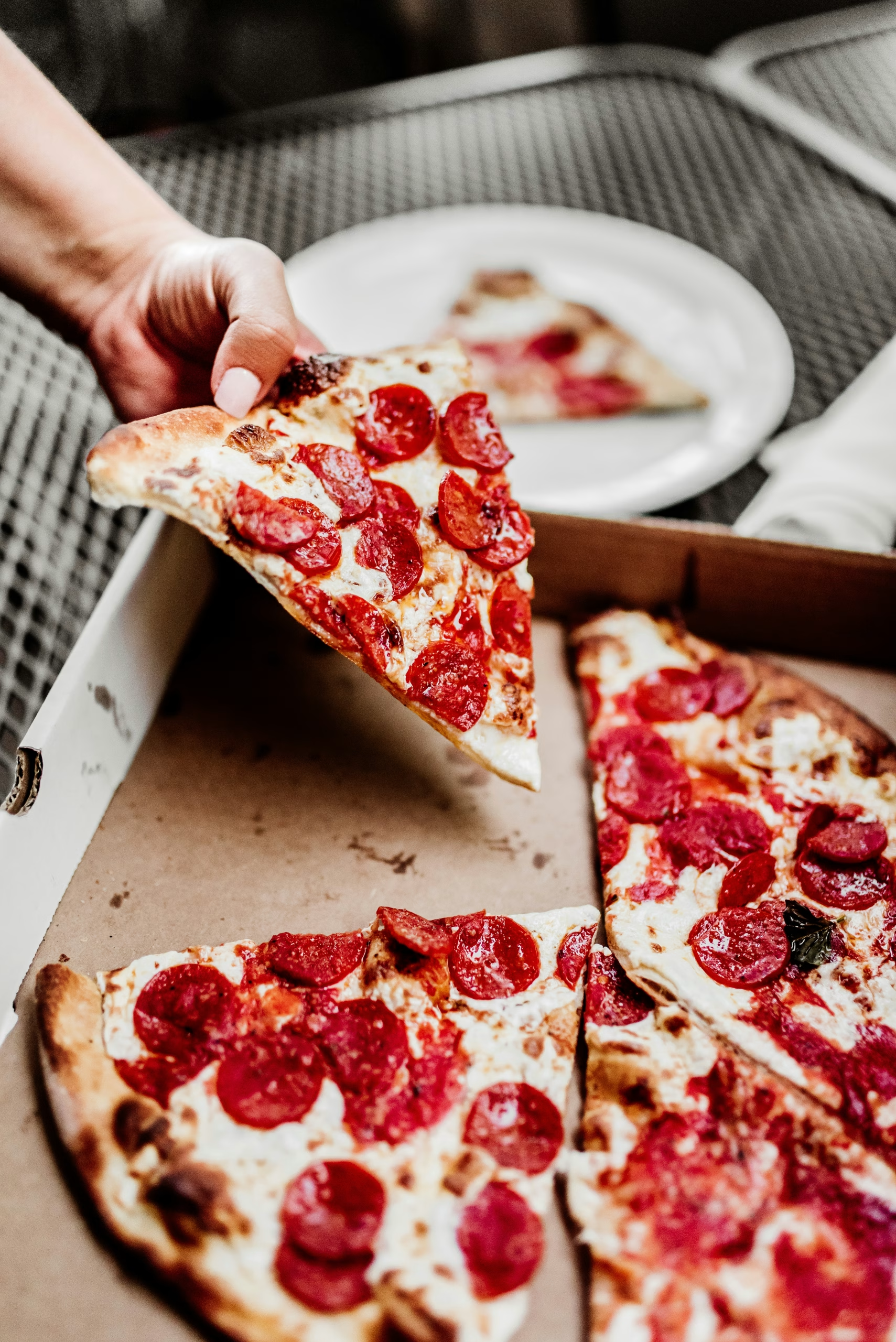
Frozen meals (e.g. pizzas, croquettes, pasta)
Sausages, cold cuts, instant soups
Sweetened beverages (e.g. soft and energy drinks, fruit cocktails)
In short, ultra-processed foods generally have a high energy value (calories), are high in added sugars, sodium and saturated fats, and and contain several food additives. These added substances modify the characteristics of the food. (ex. taste, color and palatability) and reduce its nutritional benefits base.

The role of food additives
Ultra-processed food and its impact on health
One of the consequences of ultra-processed food is over-consumption. A very high calorie intake, a high consumption of refined sugars, salt, hydrogenated fats and additives, combined with a limited dietary intake of whole, nutritious foods, can lead to an unbalanced diet and a variety of health problems.
In 2011, in Canada, nearly 55% of daily caloric intake was made up of ultra-processed foods!
Summary of evidence
- As daily caloric intake of ultra-processed products increases, so do energy density and intakes of added sugars, saturated fats and sodium, while intakes of protein, fiber, vitamins and minerals decline.
- As the proportion of ultra-processed foods increases, so do the negative effects on health.
What are the health implications?
The surge in ultra-processed foods is associated with an increase in obesity and chronic diseases (e.g. hypertension, type 2 diabetes, non-alcoholic fatty liver disease). In fact, consumption of ultra-processed foods was significantly associated with an increased risk of obesity, diabetes, hypertension, coronary heart disease and cardiovascular disease.
Mental health is no exception. More and more studies illustrate the associative link between food consumption, mental state and the potential to develop mental health disorders such as depression. An ultra-processed diet including a high intake of saturated fats and sugars appears to promote metabolic dysfunction, neuroinflammation and mental health disorders.
Ultra-processed products and intestinal microbiota
Conclusion
Although causality has yet to be established in a number of contexts, a diet composed of mostly unprocessed foods rich in fiber, plants and healthy fats is beneficial! Reducing consumption of ultra-processed foods is important for overall health!
References
Adjibade, M., Julia, C., Allès, B., Touvier, M., Lemogne, C., Srour, B., Hercberg, S., Galan, P., Assmann, K. E., & Kesse-Guyot, E. (2019). Prospective association between ultra-processed food consumption and incident depressive symptoms in the French NutriNet-Santé cohort. BMC medicine, 17(1), 78. https://doi.org/10.1186/s12916-019-1312-y
Fulton, S., Décarie-Spain, L., Fioramonti, X., Guiard, B., & Nakajima, S. (2022). The menace of obesity to depression and anxiety prevalence. Trends in endocrinology and metabolism: TEM, 33(1), 18-35. https://doi.org/10.1016/j.tem.2021.10.005
Government of Quebec. Highly processed foods. (Updated in 2019). https://www.quebec.ca/sante/alimentation/saines-habitudes-alimentaires/aliments-hautement-transformes
Monteiro, C, Cannon, G. Lawrence, M, Da Costa Louzada, M. Pereira Machado, P. (2019). Ultra-processed foods, diet quality, and health using the NOVA classification system. Food and Agriculture Organization of the United Nations. https://openknowledge.fao.org/server/api/core/bitstreams/5277b379-0acb-4d97-a6a3-602774104629/content
Nardocci, M., Polsky, J. Y., & Moubarac, J. C. (2021). Consumption of ultra-processed foods is associated with obesity, diabetes and hypertension in Canadian adults. Canadian journal of public health = Revue canadienne de sante publique, 112(3), 421-429. https://doi.org/10.17269/s41997-020-00429-9
Popkin, B. (2019). Ultra-processed foods's impacts on health. Food and Agriculture Organization of the United Nations. https://openknowledge.fao.org/server/api/core/bitstreams/39d6f1db-c162-416a-8629-b47b5e3a0725/content
Srour, B., Fezeu, L. K., Kesse-Guyot, E., Allès, B., Méjean, C., Andrianasolo, R. M., Chazelas, E., Deschasaux, M., Hercberg, S., Galan, P., Monteiro, C. A., Julia, C., & Touvier, M. (2019). Ultra-processed food intake and risk of cardiovascular disease: prospective cohort study (NutriNet-Santé). BMJ (Clinical research ed.), 365, l1451. https://doi.org/10.1136/bmj.l1451
Srour, B., Fezeu, LK, Kesse-Guyot, E., Allès, B., Chazelas, E., Deschasaux, M., Hercberg, S., Monteiro, CA, Julia, C., & Touvier, M. (2019a). Ultra-processed food consumption and risk of type 2 diabetes in a French cohort of middle-aged adults. European Journal of Public Health, 29 (Supplement_4). 10.1093/eurpub/ckz185.388
Xiong, R. G., Li, J., Cheng, J., Zhou, D. D., Wu, S. X., Huang, S. Y., Saimaiti, A., Yang, Z. J., Gan, R. Y., & Li, H. B. (2023). The Role of Gut Microbiota in Anxiety, Depression, and Other Mental Disorders as Well as the Protective Effects of Dietary Components. Nutrients, 15(14), 3258. https://doi.org/10.3390/nu15143258
 French
  English