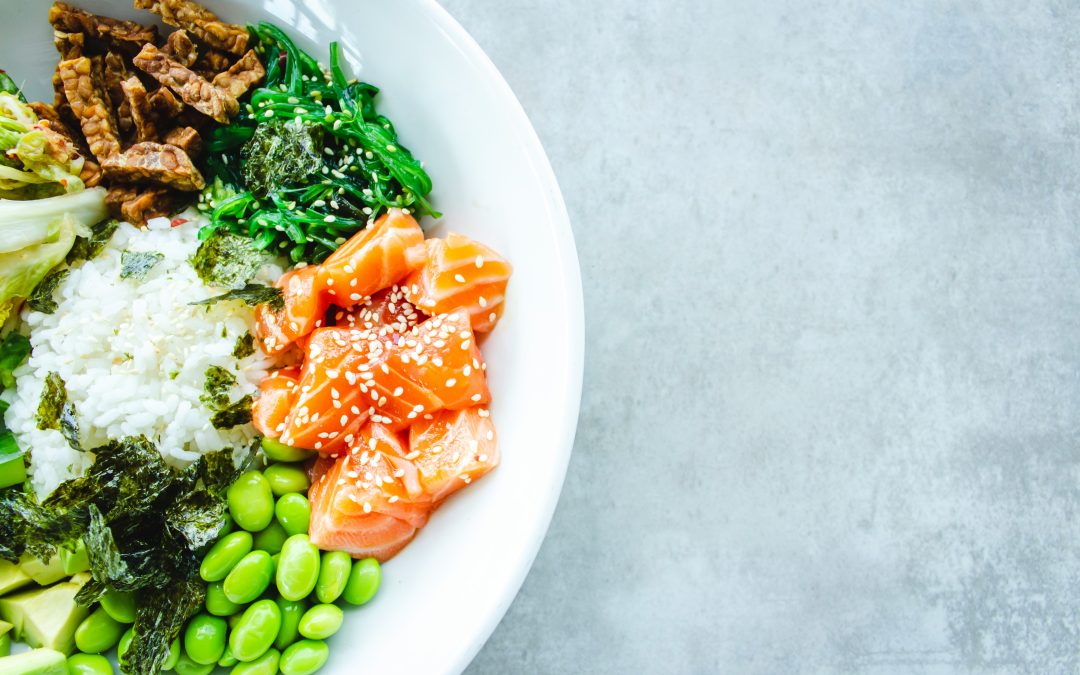
What is inflammation? Is an anti-inflammatory diet beneficial, and if so, what is it?
What is inflammation?
Inflammation is the body's natural physiological response to infection, injury or the assimilation of harmful agents (1, 2). It can be acute (e.g. after stubbing a toe) or chronic (e.g. in the presence of osteoarthritis or arthritis).
It is often referred to as low-grade inflammation, meaning the constant presence of inflammatory molecules in the body, albeit at low levels (1, 2, 3). It manifests itself in a number of diseases such as diabetes, obesity, gastrointestinal diseases and chronic pain (11).
Is there such a thing as an anti-inflammatory diet?
Fiber, prebiotics, fermented foods, omega-3s, reduction in processed products...
All this seems to be beneficial for the intestinal microbiota.
In other words, an anti-inflammatory diet is a nutritional approach aimed at optimizing the functioning of the microbiota to promote its associated benefits!
In fact, the response to inflammation is influenced by the intestinal microbiota. An imbalance in the quantity and quality of intestinal bacteria triggers a number of pro-inflammatory mechanisms. Conversely, a healthy microbiota has more anti-inflammatory effects (2, 3, 4, 5). Similarly, disruption of the intestinal barrier can lead to increased inflammation signalling and intestinal permeability. In this way, microorganisms, bacteria and inflammatory compounds can find themselves «in the wrong place». (6, 7, 8, 9, 10, 12)
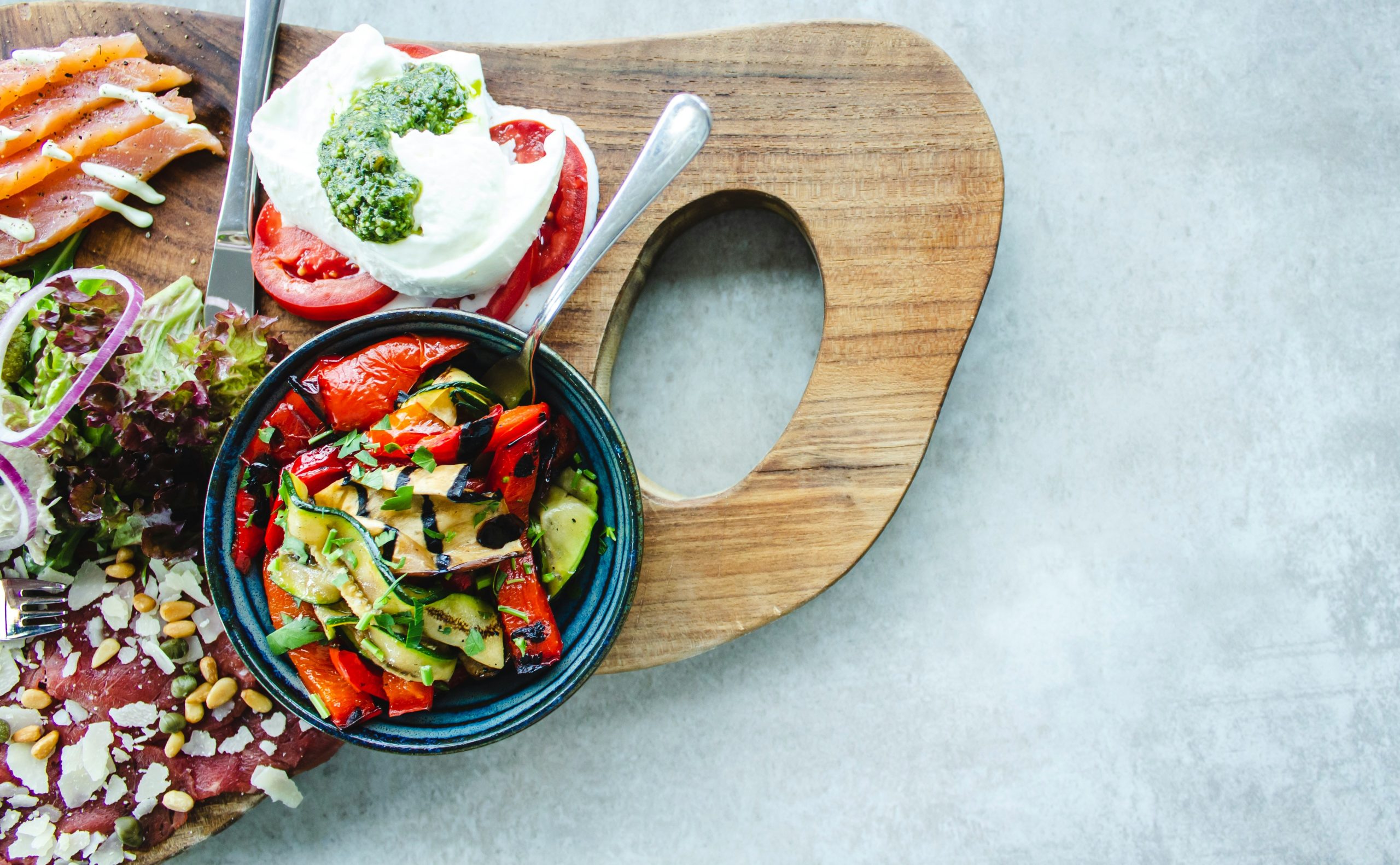
Inflammation: what should I eat?
Before jumping too quickly to conclusions, it's vital to obtain a complete assessment of your health status so that you can aim for the right goal and, above all, tailor advice to your condition. So, if you have any doubts about your state of health, don't wait to consult a health professional specializing in digestive health:
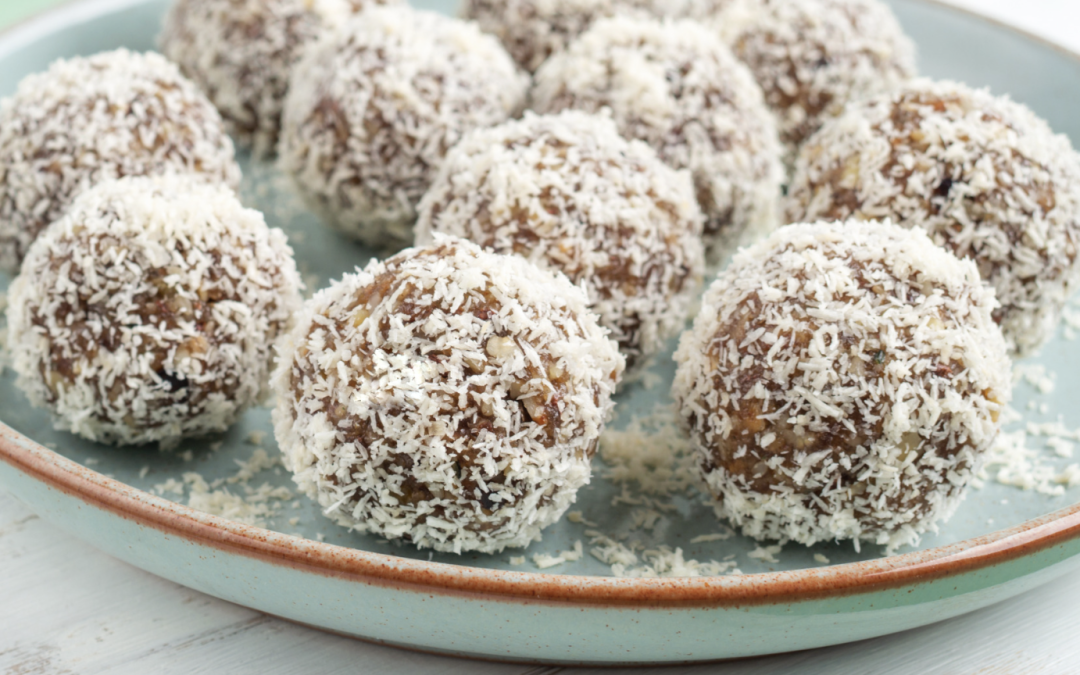
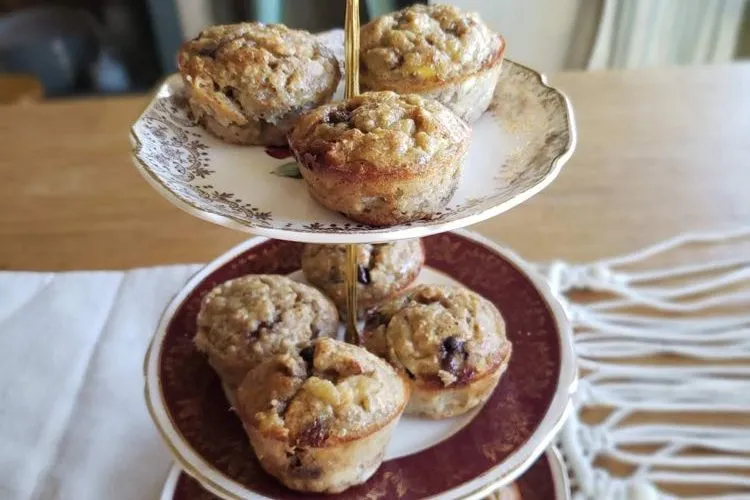
Anti-inflammatory« recipes»
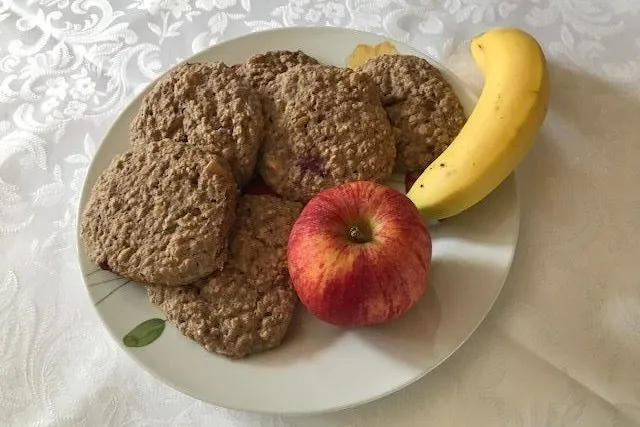
In the meantime, here are three delicious «anti-inflammatory» recipes, beneficial for the microbiote intestinal by their richness in health-promoting nutrients digestive
References:
- Boulangé et al (2016) Impact of the gut microbiota on inflammation, obesity, and metabolic disease. Genome Med 20;8, 1-12. https://pubmed.ncbi.nlm.nih.gov/27098727/
- Minihane et al (2015) Low-grade inflammation, diet composition and health: current research evidence and its translation. Br J Nutr 14;114, 999-1012. https://www.ncbi.nlm.nih.gov/pmc/articles/PMC4579563/
- Sonnenburg and Bäckhed (2016) Diet-microbiota interactions as moderators of human metabolism. Nature 7;535, 56-64.https://www.nature.com/articles/nature18846
- Gomaa (2020) Human gut microbiota/microbiome in health and diseases: a review. Antonie Van Leeuwenhoek. Dec;113(12):2019-2040. https://pubmed.ncbi.nlm.nih.gov/33136284/
- Santana et al (2022) Dysbiosis in Inflammatory Bowel Disease: Pathogenic Role and Potential Therapeutic Targets. Int J Mol Sci. 2022 Mar 23;23(7):3464. https://pubmed.ncbi.nlm.nih.gov/35408838/
- De Santis et al (2015) Nutritional Keys for intestinal Barrier Modulation. Front Immunol 7;6, 1-15.
- Kim et al. (2017) The interplay between host immune cells and gut microbiota in chronic inflammatory diseases. Exp Mol Med 26;49, 1-11. https://www.ncbi.nlm.nih.gov/pmc/articles/PMC4670985/
- Lazar et al (2018) Aspects of Gut Microbiota and Immune System Interactions in Infectious Diseases, Immunopathology, and Cancer. Front Immunol 15;9, 1-18. https://pubmed.ncbi.nlm.nih.gov/30158926/
- Lyu et al (2022) Emerging story of gut dysbiosis in spondyloarthropathy: From gastrointestinal inflammation to spondyloarthritis. Front Cell Infect Microbiol. Aug 22;12:973563. https://pubmed.ncbi.nlm.nih.gov/36072223/
- Pickard et al (2017) Gut Microbiota: Role in Pathogen Colonization, Immune Responses and Inflammatory Disease. Immunol Rev 279, 70-89. https://pubmed.ncbi.nlm.nih.gov/28856738/
- White et al (2019) Oral turmeric/curcumin effects on inflammatory markers in chronic inflammatory diseases: A systematic review and meta-analysis of randomized controlled trials. Pharmacol Res 146; 1-7.
- Zhao et al (2022) Gut microbiota and rheumatoid arthritis: From pathogenesis to novel therapeutic opportunities. Front Immunol. Sep 8;13:1007165.https://pubmed.ncbi.nlm.nih.gov/36159786/
 French
  English