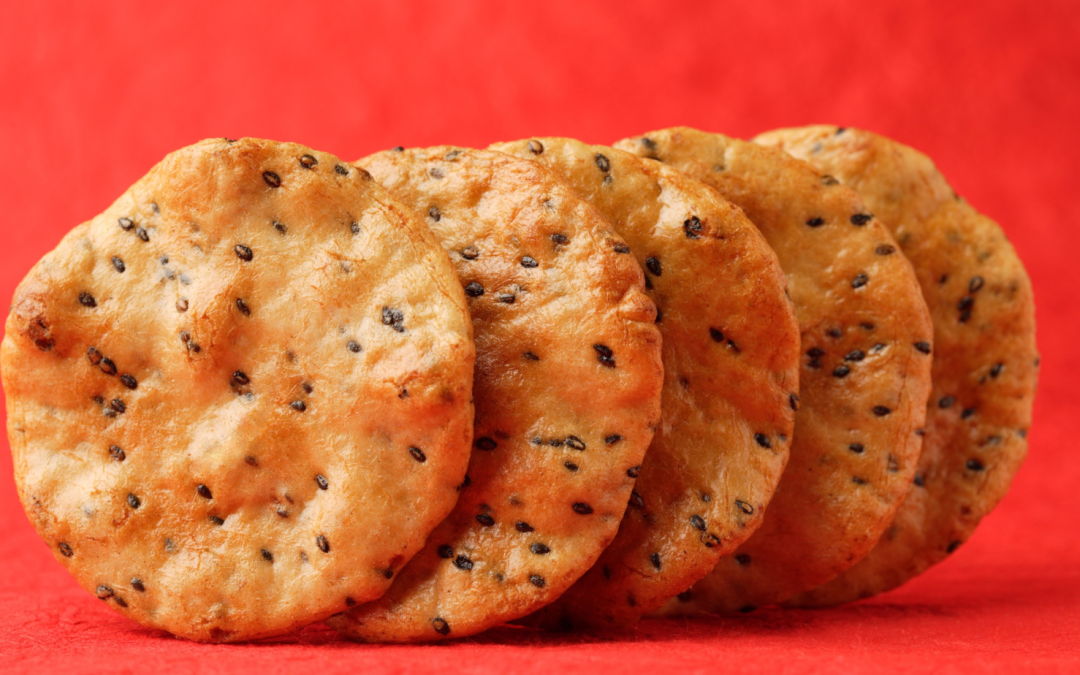
Choosing crackers at the grocery store might seem simple... until you're standing in front of a whole aisle of options. Whole grain, gluten-free, high-protein, organic: how do you know which ones are truly worth it?
Here are the most frequently asked questions about crackers, along with concrete tips for making more informed choices daily.

When looking for more nutritious crackers, seek out ingredients like: * **Whole Grains:** Look for "whole wheat," "whole grain oats," "brown rice," "quinoa," or "spelt" as the first ingredient. These provide more fiber, vitamins, and minerals than refined grains. * **Seeds:** Ingredients like flax seeds, chia seeds, sunflower seeds, or sesame seeds add healthy fats, fiber, and protein. * **Nuts/Nut Butters:** Some crackers may incorporate nut flours or nut butters for added protein and healthy fats. * **Vegetables/Legumes:** Ingredients like potato, sweet potato, spinach, or lentil flour can boost nutrient content and fiber. * **Healthy Fats:** Olive oil or avocado oil are better choices than highly processed vegetable oils. * **Minimal Added Sugars:** Check the ingredients list for added sugars like cane sugar, corn syrup, or honey, especially if you're trying to limit your sugar intake. * **Low Sodium:** While some sodium is necessary for taste and preservation, excessive amounts can be a concern. Compare the sodium content of different brands. * **Fiber:** A higher fiber content (look for 2 grams or more per serving) is generally desirable for digestive health and satiety. * **Protein:** Crackers with a decent protein content (again, 2 grams or more per serving) can help you feel fuller for longer.
Prioritize whole grains over «enriched flour» or «white flour» (1)(2). Look for ingredients such as:
Whole wheat flour
Whole Oats
Quinoa
Whole wheat
Brown rice

How to use the nutrition facts label?
In seconds, the nutrition facts label can help you compare products. Try to aim for:
✔️ At least 3g of fiber per serving (3)
✔️ Less than 10 mg of sodium per serving (4)
✔️ Low added sugar

Should highly processed crackers be avoided?
No need to aim for perfection. The goal is mostly to make more satisfying choices most of the time. Spot products that are very high in sodium or additives.
Highly processed foods often contain:
A long list of ingredients
✔️ Several types of additives
✔️ Low Fiber

Are gluten-free crackers healthier?
Not necessarily. That's probably one of the most frequent questions at the grocery store.
Gluten-free products are essential for people with celiac disease or diagnosed gluten sensitivity. However, “gluten-free” does not automatically mean more nutritious or less processed. Some gluten-free crackers contain low fiber and high refined starch.
If you must or wish to eat gluten-free, favor products containing:
Quinoa
✔️ Of buckwheat
Brown rice
Seeds
Legumes

How to make nutritious homemade crackers?
Homemade crackers can also be an excellent alternative for controlling ingredients and adjusting flavors to your taste. They often allow for adding more fiber and protein through ingredients like seeds, oats, whole wheat flour, or legumes, making them a good way to reduce sodium and additives while creating nutritious and satisfying snacks. They generally keep for several days in an airtight container and can easily be prepared in advance.
For more nutritious crackers, choose:
✔️ Whole grain flours (whole wheat, oat, rye)
✔️ Seeds like chia, flax, sesame, hemp, etc.
Lentils or chickpea flour to add protein
Herbs and spices to enhance flavor
Choosing more nutritious crackers shouldn't be a complicated mission. By looking at fiber, sodium, and main ingredients, it becomes much easier to spot interesting options.
Here are our grocery store favorites

Wasa

Low sodium Triscuit
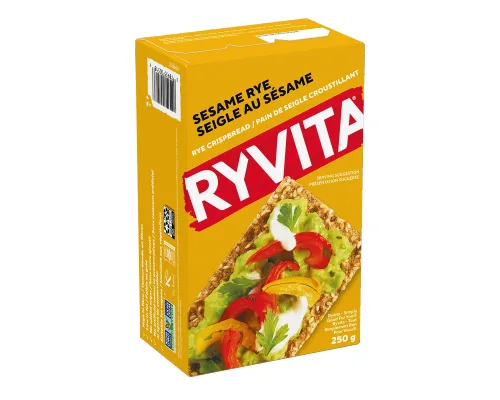
Ryvita
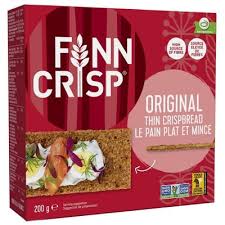
Finn crisp
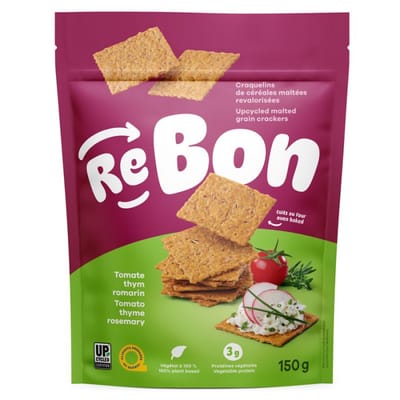
Rebon
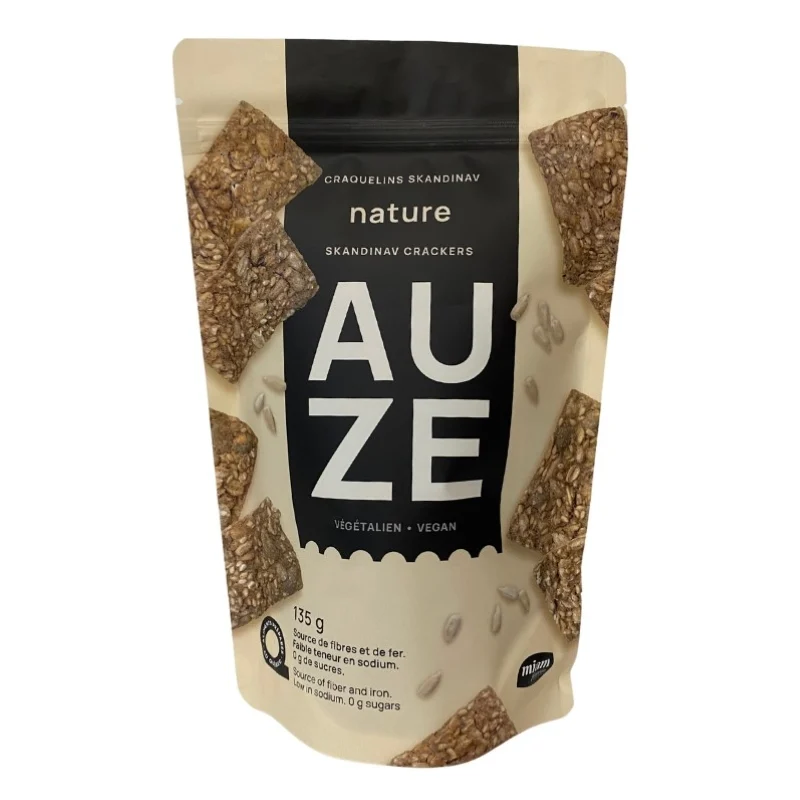
Auze
Gluten-free options
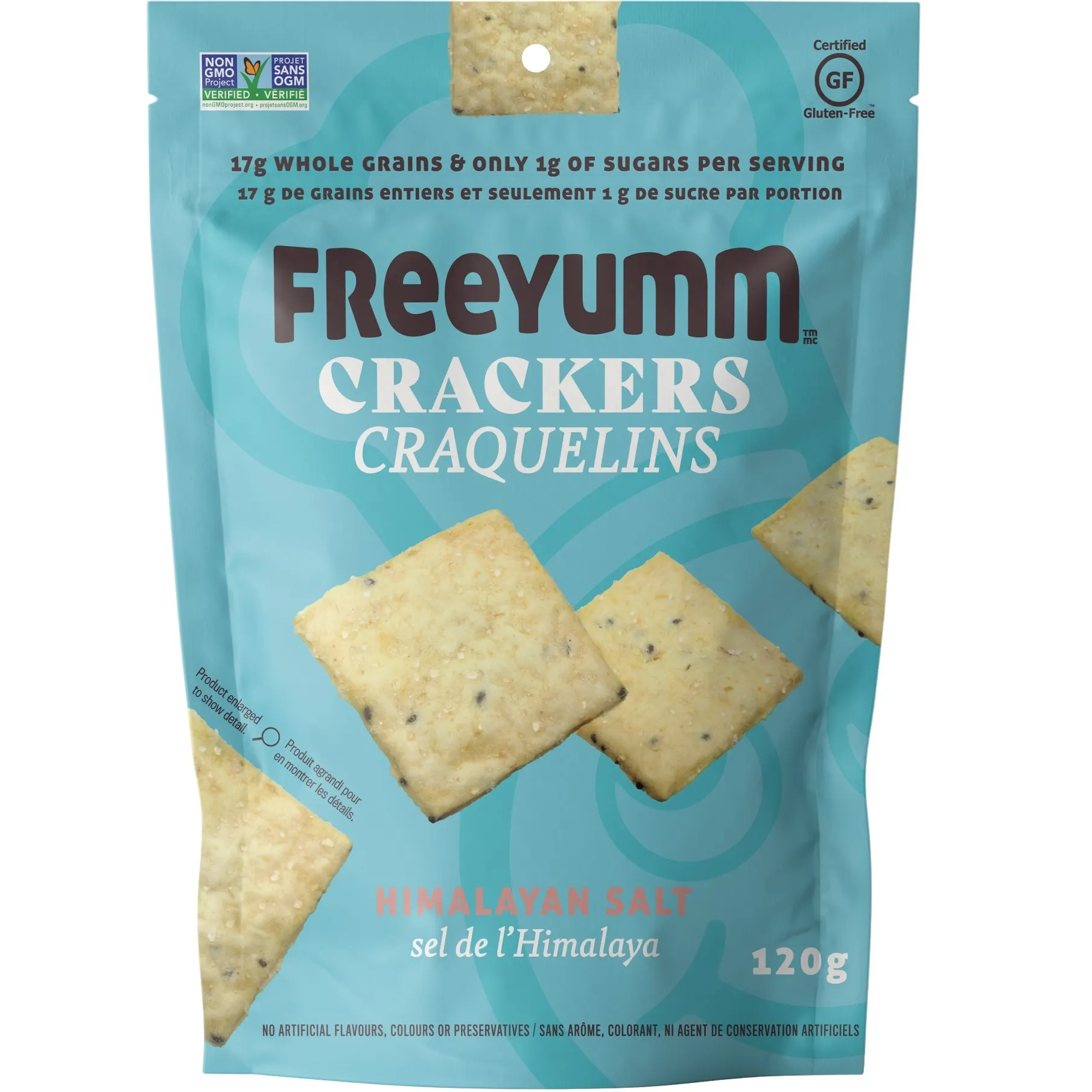
Freeyumm
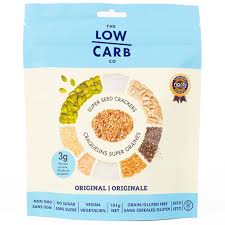
The low carb Co
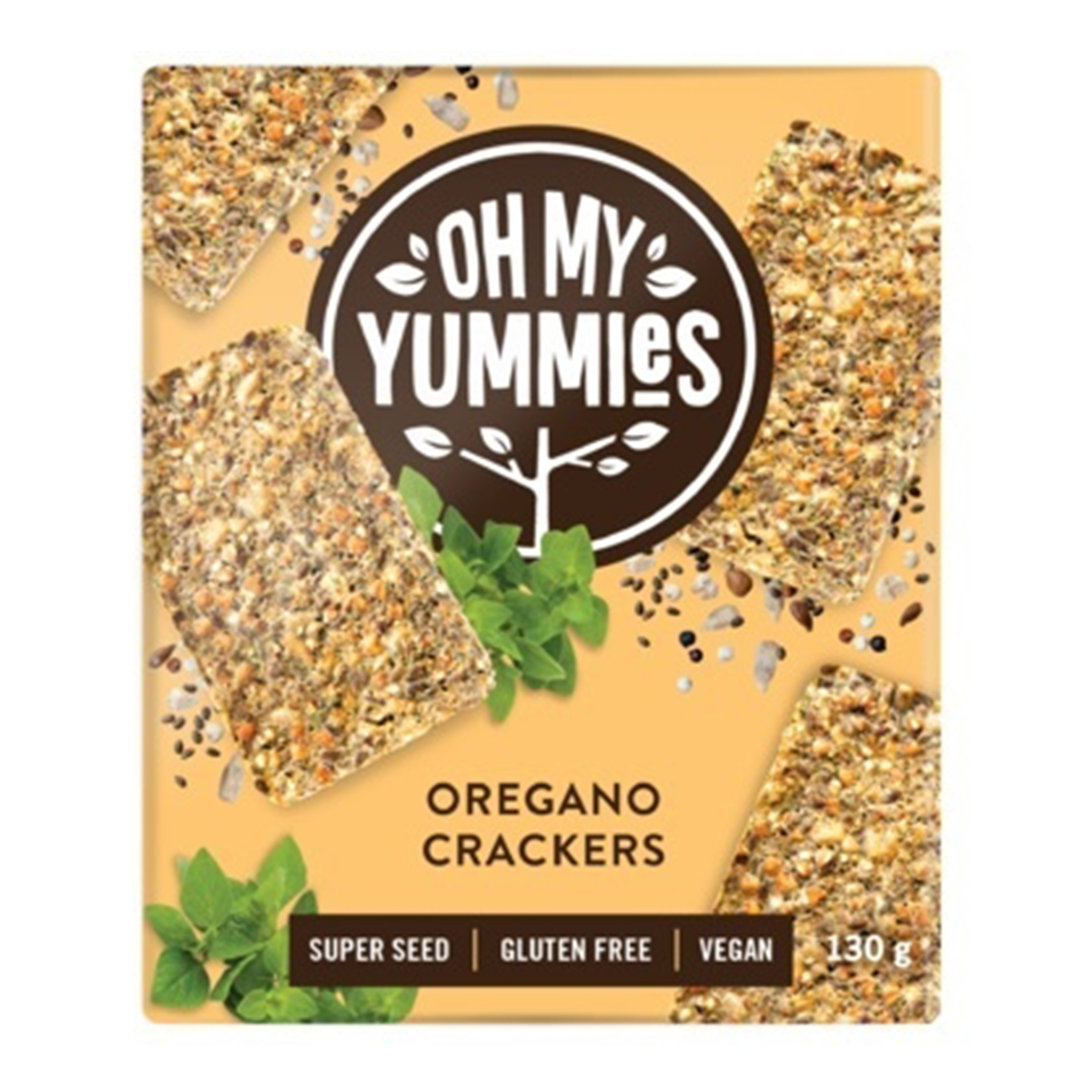
Oh my goodness
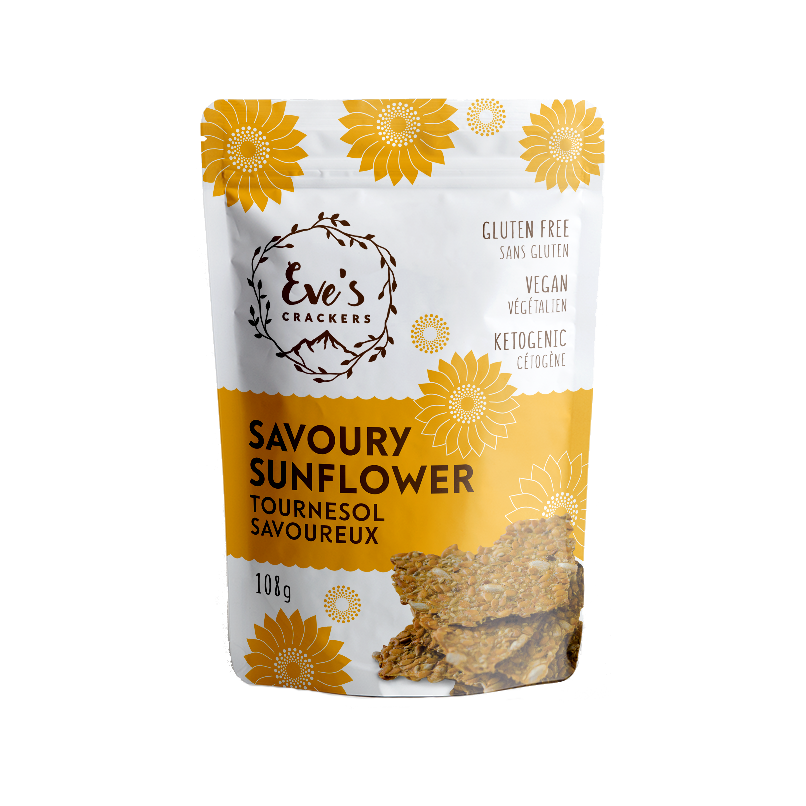
Eve's crackers
Are you more of the type to bake your own crackers? Here's a little recipe for you !
If you have questions about gluten-free products, balanced snacks, or reading labels, Make an appointment with a nutritionist can help you find solutions adapted to your reality.
References
1. Health Canada. Fiber. Government of Canada; [cited 2026 May 22].
2. Health Canada. Dietary changes for healthier eating. Government of Canada; [cited 2026 May 22].
3. Health Canada. Table of permitted nutrient content statements and claims. Government of Canada; [cited 2026 May 22].
4. Health Canada. Summary of Amendments Published in the Canada Gazette Regarding Front-of-Package Nutrition Labelling. Government of Canada; [cited 2026 May 22].
 French
  English