
Do you eat your toast in the morning and get hungry again quickly?
We'll show you how to choose your bread better and what our favorite store-bought breads are.
Faced with the many options available at the grocery store, it's easy to be influenced by packaging, health claims, or even the color of the bread. However, a few simple criteria can help you identify the best choices to promote satiety, increase your fiber intake, and support a balanced diet.

Check the ingredients first
The first reflex to adopt is to look at the ingredient list and confirm that the flour used is indeed whole grain (1)(2). Here are examples of words you might find:
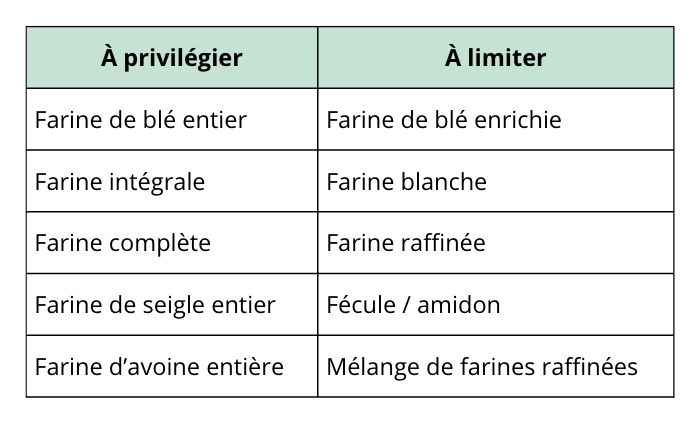
Don't trust the color of bread; you might think that brown bread is automatically more nutritious than white bread. However, the color can sometimes come from molasses, caramel, or other colorings added during production.

Fiber plays an important role in satiety
Fiber slows digestion, helps you stay full longer, and maintains a more stable energy level between meals. Look for bread that ideally provides more than 4 grams of fiber per 2-slice serving.
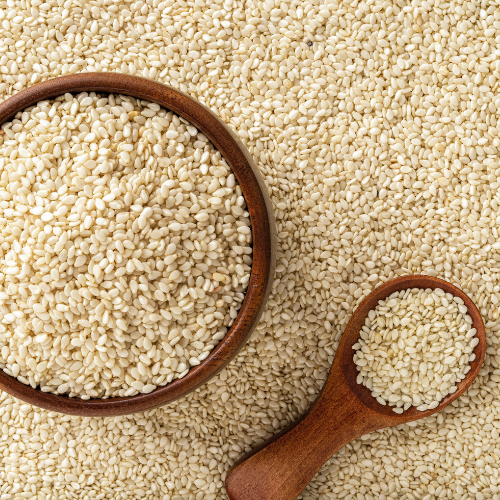
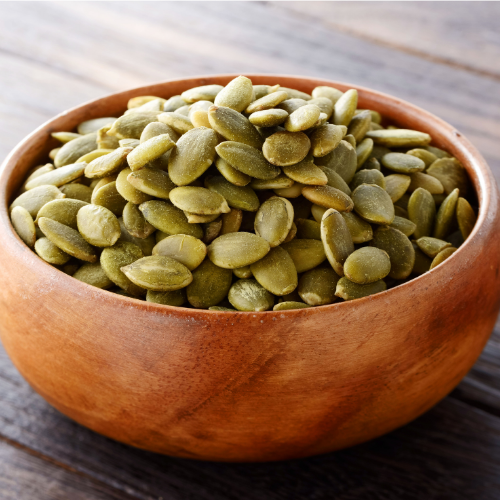
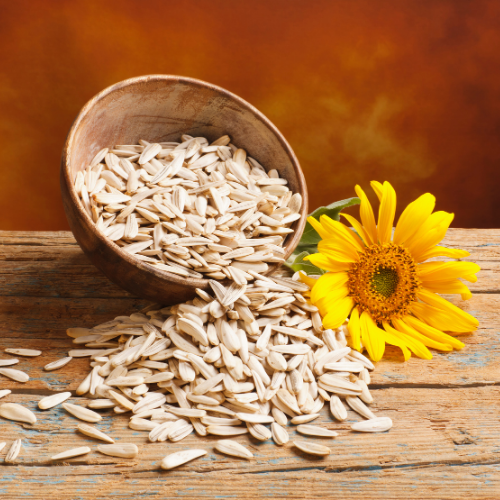
Breads containing various seeds, such as flax, sunflower, sesame, or pumpkin, can be excellent choices. In addition to adding texture and flavor, seeds generally contribute to increasing the fiber and protein content of the product.

Pay attention to sodium content
Did you know that bread is one of the main sources of sodium in the Canadian diet? (3)
Choose breads that contain less than 15 % of the daily value per serving of 2 slices (4)(5). This simple habit can help reduce your overall sodium intake over time.

Avoid added sugars when possible
Bread generally doesn't need added sugar to be nutritious. When you spot sugar, high fructose corn syrup, brown sugar, or other added sugars in the ingredients list, it might be worth comparing with another option.

Sourdough breads can be easier to digest
The fermentation process can reduce the fructan (FODMAPs) content of wheat, which may improve digestive tolerance in some sensitive individuals (6).
They can also be an interesting option for some people looking for a low-FODMAP diet, though tolerance can vary from person to person. If you frequently experience digestive discomfort, a nutritionist or a dietitian will be able to help you determine which products are best suited for your situation.
How to make your toasts more balanced?
A good bread is even more interesting when paired with a protein source and fruits or vegetables. This combination promotes satiety and helps you stay full longer.
Some simple ideas:
Peanut butter and banana
Eggs and Avocado
Cottage cheese and berries
✔️ Hummus and vegetables
Chicken, lettuce, and tomato
✔️ Avocado and halloumi
Our top 3 store-bought breads!
*Without commercial bias or monetary gain, simply because they meet the previously mentioned nutritional criteria very well.
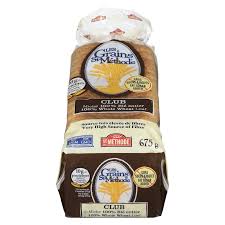
St-Méthode Breads: 100 % whole grains
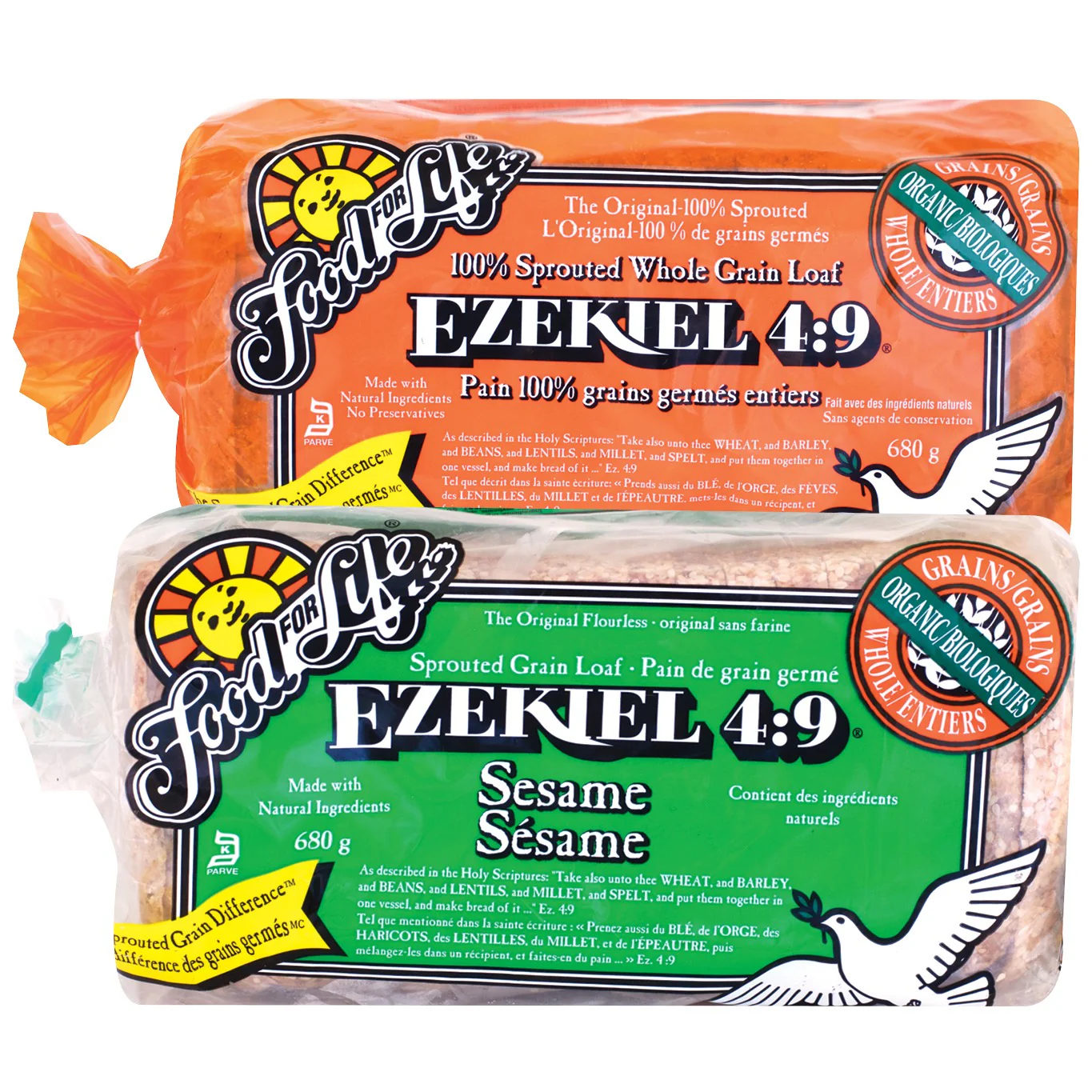
Pain Ezekiel

The baguetterie: Sourdough sliced loaf
References
1. Health Canada. Fiber. Government of Canada; [cited 2026 Jun 3].
2. Health Canada. Dietary Changes for Healthier Eating. Government of Canada; c2026 Jun 3.
3. Health Canada. Sodium intake in Canadians in 2017 [Internet]. Ottawa (ON): Government of Canada; 2018 Jul 23 [cited 2026 Jun 3].
4. Health Canada. Table of permitted nutrient content statements and claims. Government of Canada; [cited 2026 May 22].
5. Health Canada. Summary of Amendments Published in the Canada Gazette Regarding Front-of-Package Nutrition Labelling. Government of Canada; [cited 2026 May 22].
6. Muir JG, Varney JE, Ajamian M, Gibson PR. Gluten-free and low-FODMAP sourdoughs for patients with coeliac disease and irritable bowel syndrome: a clinical perspective. Int J Food Microbiol. 2019 Feb 2;290:237-246. doi:10.1016/j.ijfoodmicro.2018.10.016.
 French
  English