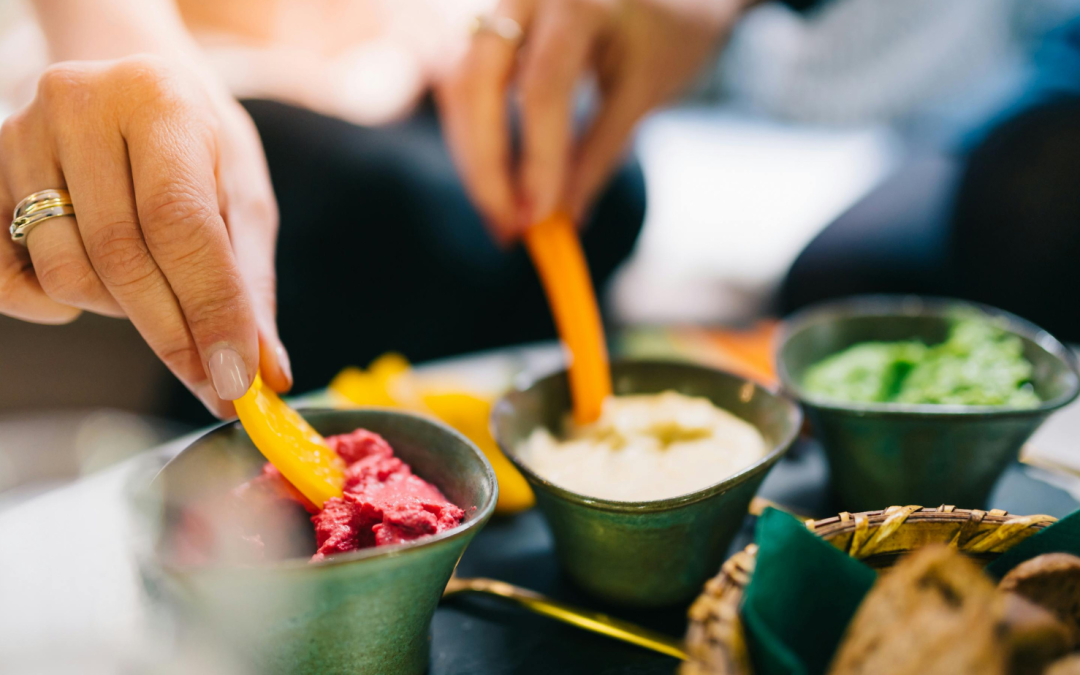
Dips are a must-have for snacks, lunches, and veggie platters. They add flavor and variety to meals, while also encouraging people to eat more vegetables.
However, not all dips are created equal. Some are made with nutritious ingredients like legumes or Greek yogurt, while others contain more oil, sodium, or additives.
So, how do you make an informed choice at the grocery store?
Here are the main criteria to consider when choosing a nutritious dip.

A nutritious base is preferred.
The first thing to look at is the base of the dip.
Some options are prepared primarily from healthier ingredients such as:
• Chickpeas
• The beans
• Lentils
Tofu
Greek yogurt
• Nuts and seeds
These foods provide protein, fiber, and unsaturated fats (the «good» fats) which promote satiety and contribute to a balanced diet.
Conversely, some dips are made primarily of oils or cream, which reduces their overall nutritional value.

Let's take a look at the ingredients list
As with all processed foods, a short ingredient list is preferable.
Ideally, the first ingredients should be foods that are easily recognizable and that we could use in our own kitchens.
For example:
Chickpeas
✓ Greek Yogurt
Cucumber
Tahini
Lemon juice
✔ Fresh herbs
The simpler the list, the easier it is to understand what the product actually contains.

We are checking the quality of the fats.
Fats have their place in a balanced diet, but their source is important.
The dips that contain:
• Olive oil,
Canola oil,
Nuts or seeds
are generally interesting options as they primarily provide unsaturated fats. These types of fats are associated more with overall health benefits.
Conversely, some dips may contain more saturated fat or be made primarily from nutritionally less desirable oils. For example, dips containing a lot of cream or soybean, palm, or coconut oil should be limited.

We are monitoring sodium.
Even though a dip might seem like a healthy choice, it can sometimes contain a lot of salt.
Comparing nutritional labels between different brands often allows you to quickly identify the best options.

We limit additives as much as possible
Some dips contain stabilizers, preservatives, or various additives intended to extend their shelf life.
While not necessarily problematic, these ingredients aren't always necessary when simpler options are available.
A short ingredient list is generally an excellent starting point.
Our 4 favorite dips
Hummus: A Fiber-Rich Classic
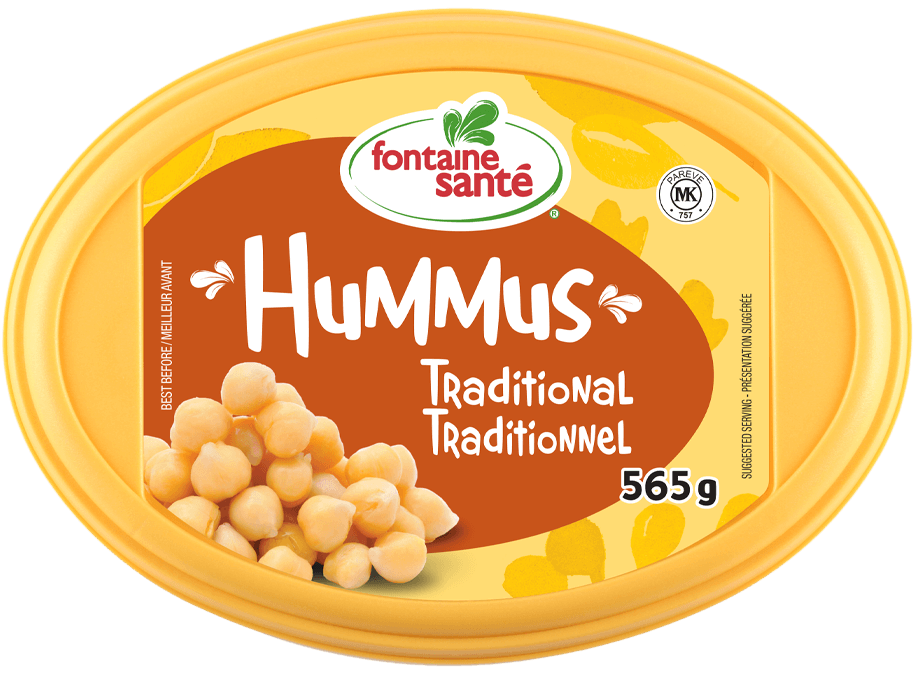
Hummus remains one of the best options available at the grocery store.
Made from chickpeas, it naturally provides fiber and plant-based protein while offering a creamy and versatile texture.
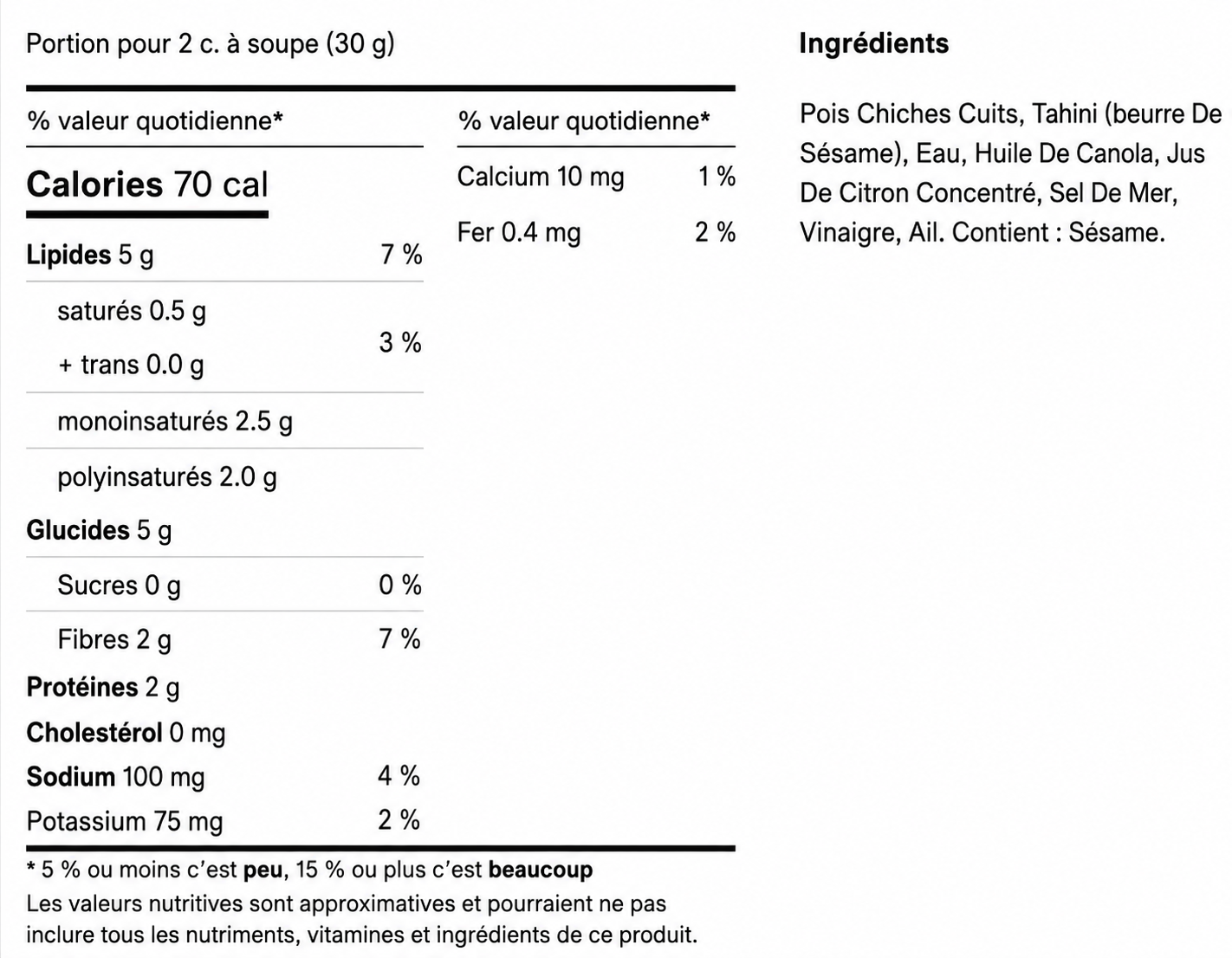
Among the available options, Fontaine Santé hummus is an interesting choice as it contains few additives, a short ingredient list, and uses canola oil.
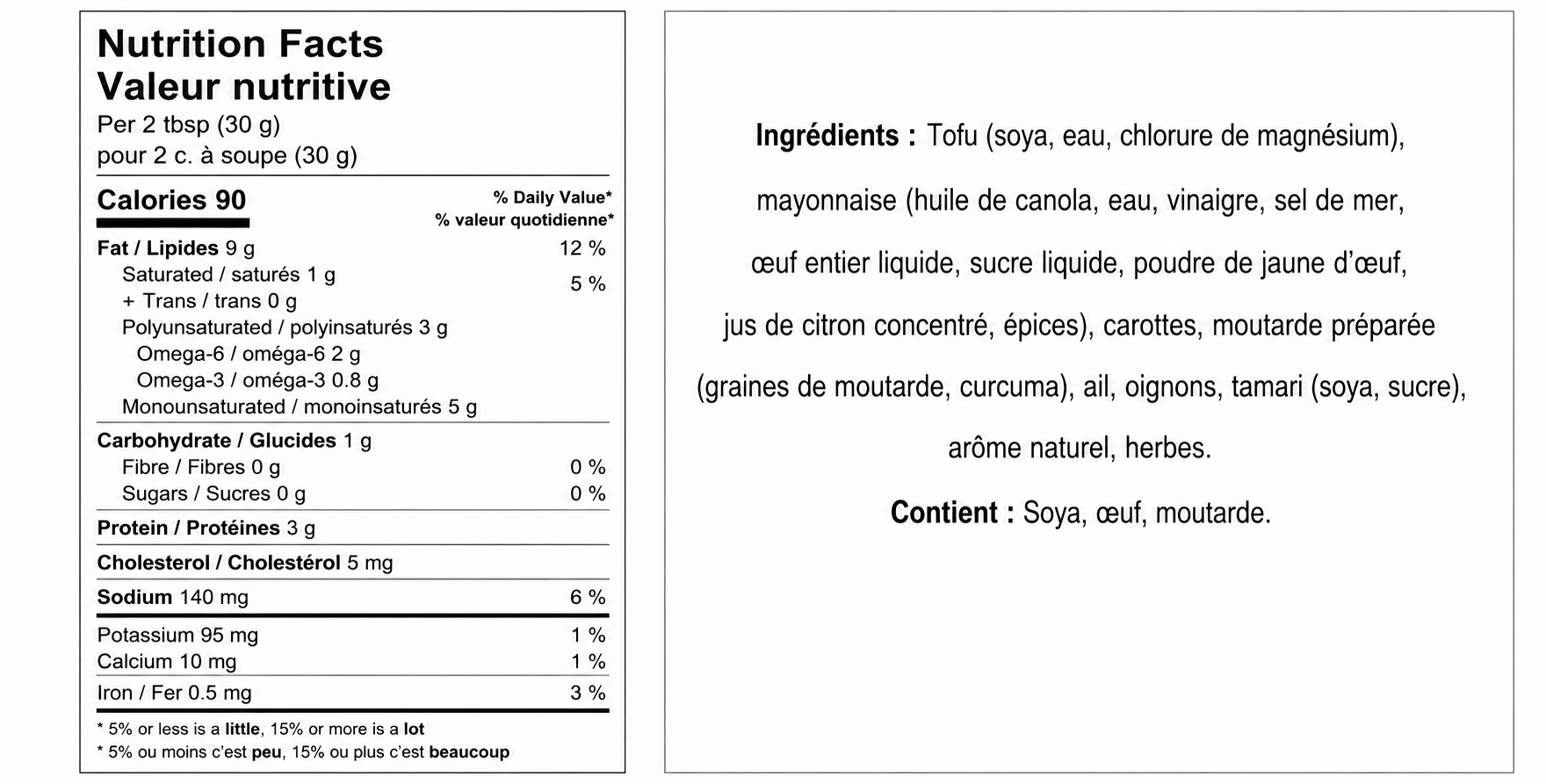
Tofu-based dips: a very interesting option as well
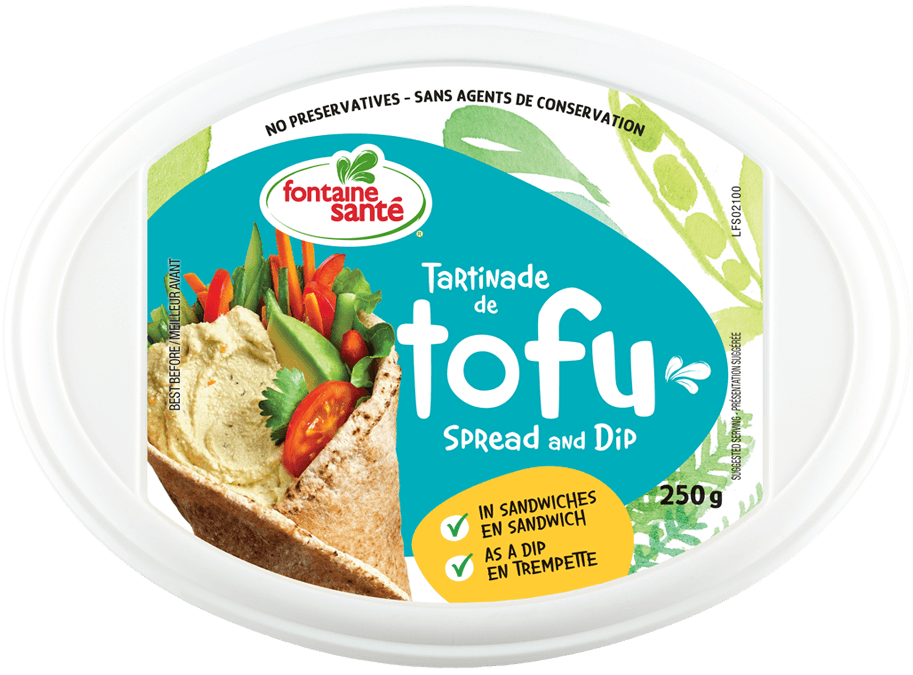
Tofu-based dips are an excellent alternative for people who want to increase their plant-based protein intake.
Tofu offers a creamy texture while being low in saturated fat and rich in unsaturated fat. Additionally, it contains very few additives.
Combined with fresh herbs, lemon, or vegetables, this Fontaine Santé dip adds great flavor to meals!
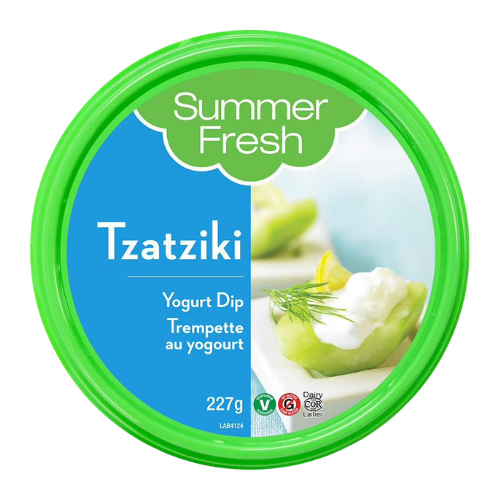
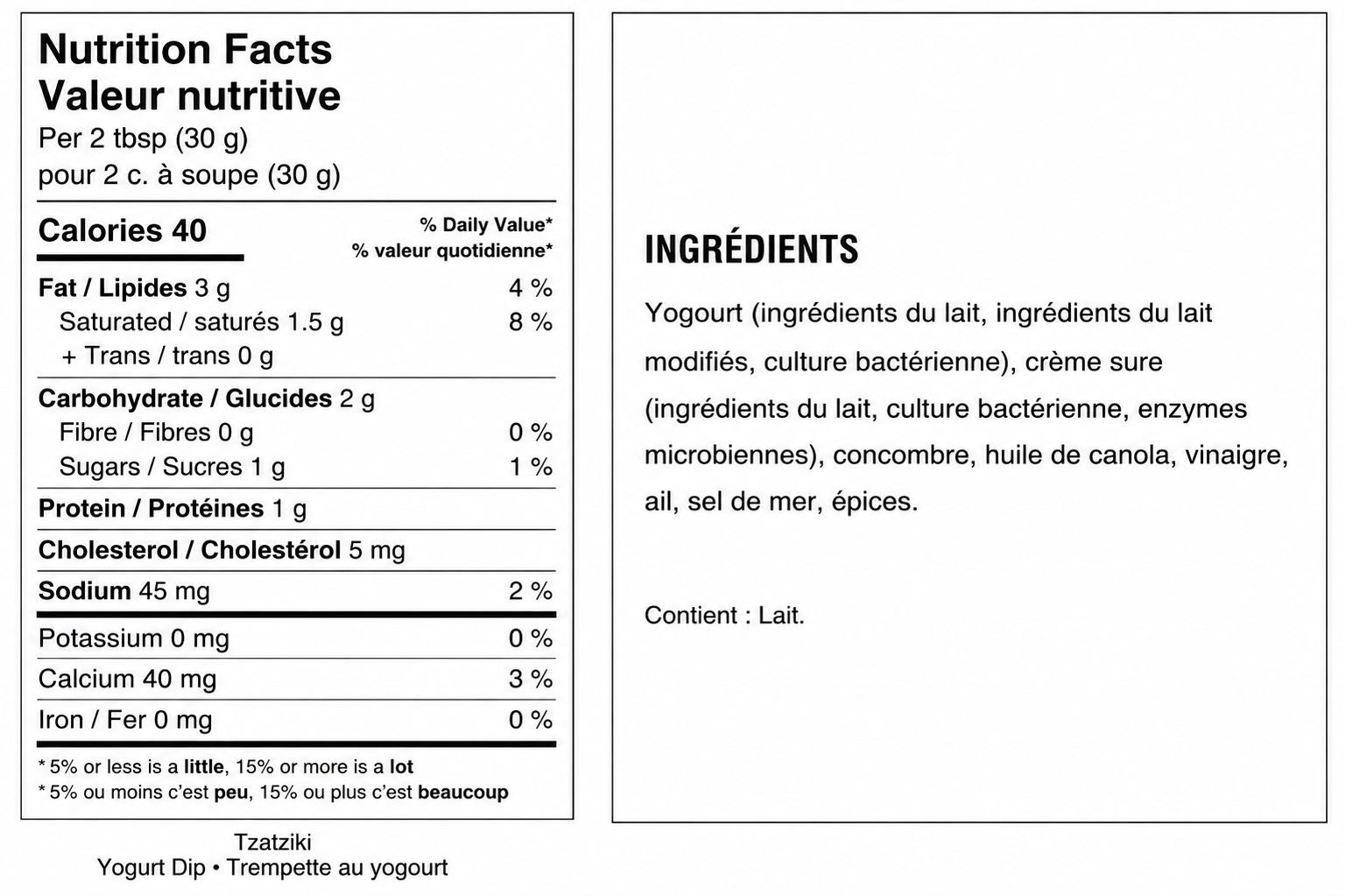
Tzatziki: Fresh and rich in protein
Tzatziki is another excellent option.
As it is made with Greek yogurt, it naturally contains more protein and less fat than many traditional creamy dips.
Some brands, like Summer Fresh tzatziki, focus on simple ingredients, with yogurt as the first ingredient and few additives.
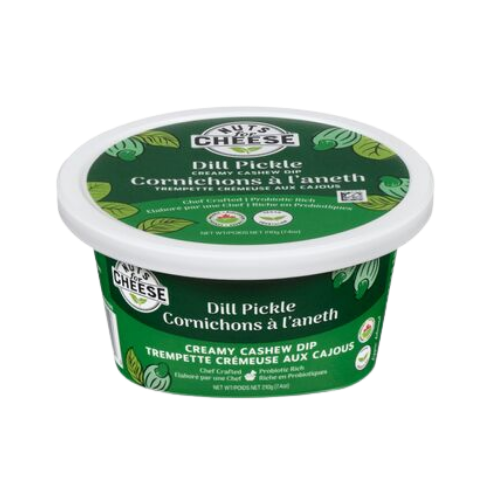
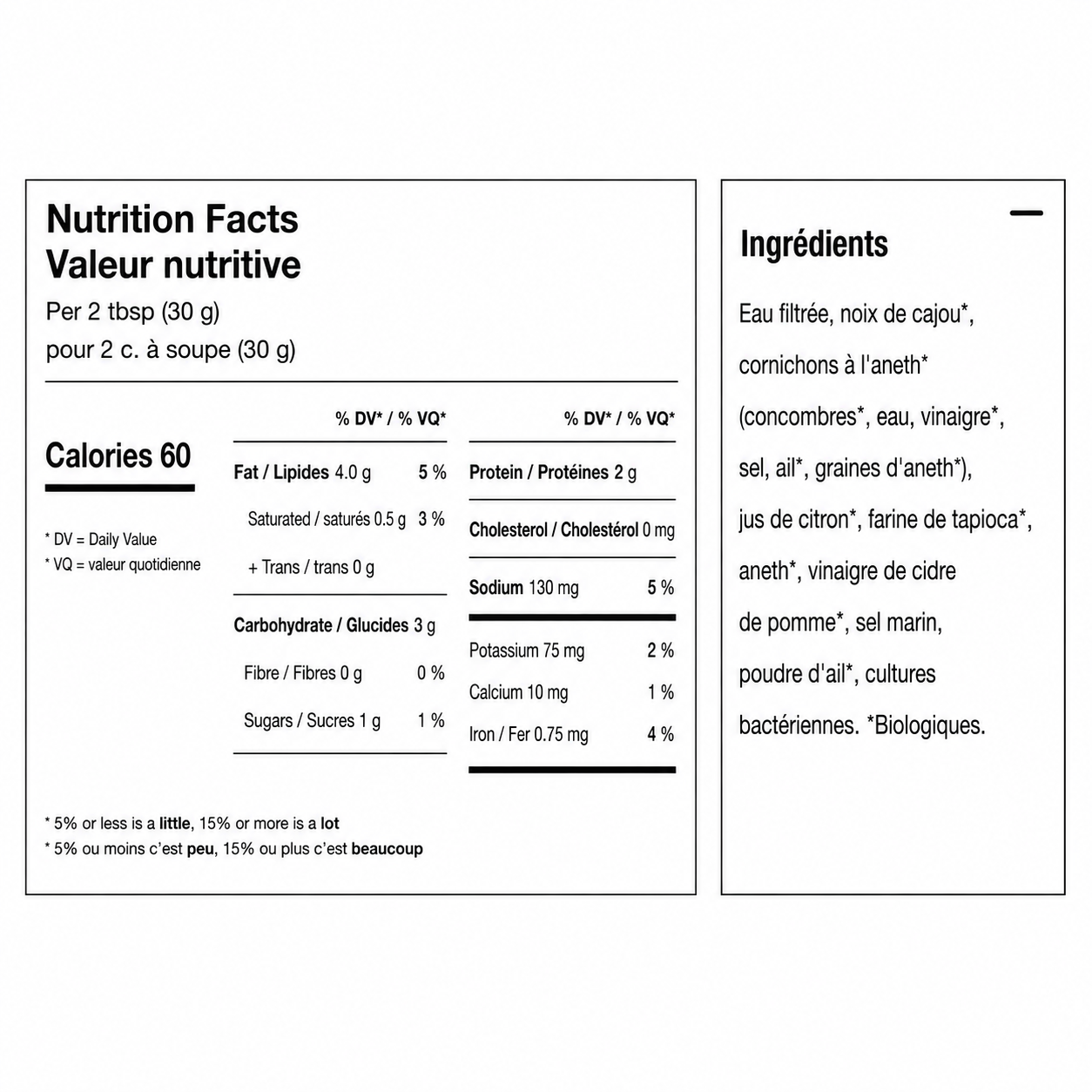
Cashew-based vegan dips
Cashew-based dips offer a rich and creamy texture while providing unsaturated fats that are beneficial for cardiovascular health.
Some organic options use few ingredients and avoid additives, making them a great plant-based alternative.
And homemade dips?
Even though several store-bought products can be interesting, homemade versions often remain the best options.
They allow you to:
• Control the amount of salt;
• Use simple ingredients;
• Increase fiber content;
• Customize flavors to our taste.
At Épithélia, we are particularly fond of legume-based dips because they help increase dietary fiber intake, which is important for digestive health.
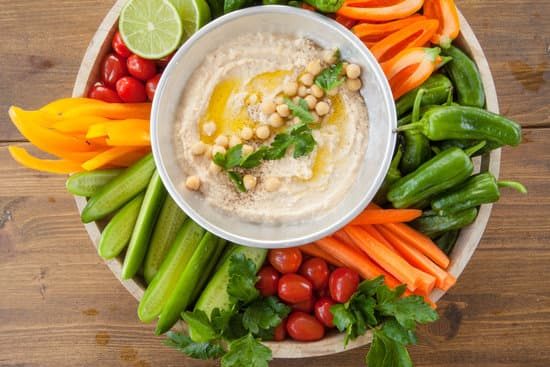
Caramelized Onion Hummus
A decadent version of classic hummus that combines the richness of chickpeas with the sweetness of caramelized onions.

Beetroot Hummus
A colorful recipe that combines the benefits of legumes and beetroot, a food rich in prebiotic fiber.
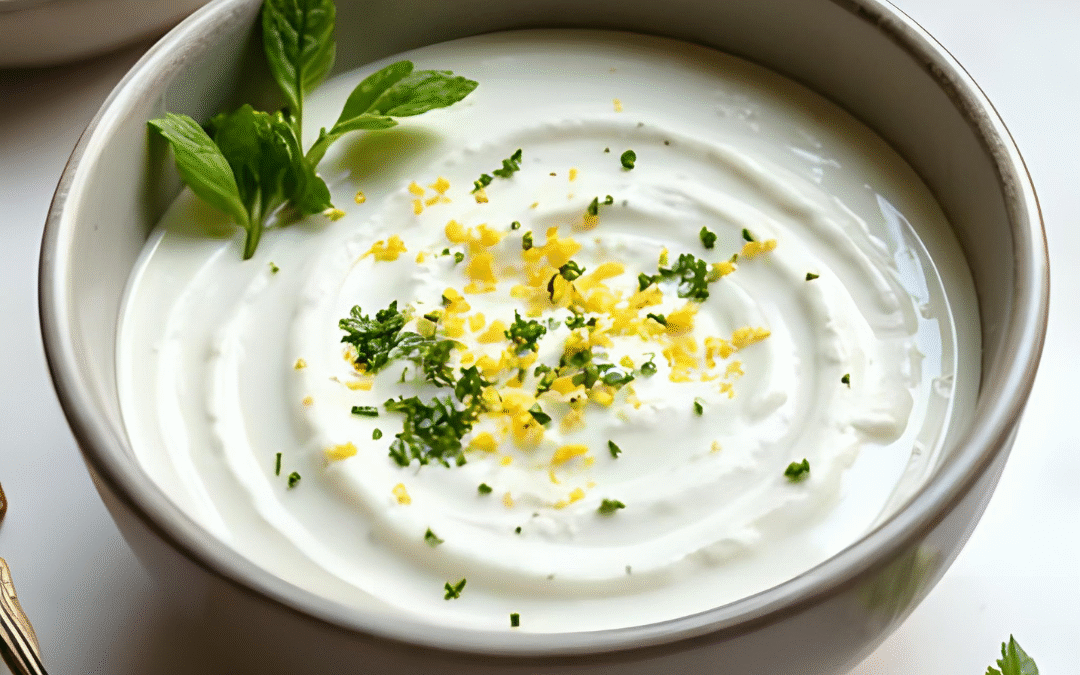
Homemade tzatziki sauce
A protein-rich recipe that transforms a simple plate of vegetables into a more filling snack.
In a nutshell
To choose a good dip at the grocery store, aim for these four criteria:
✓ A nutritious base like legumes, tofu, or Greek yogurt
✓ A simple ingredient list
✓ Quality fats
✓ Moderate sodium content
And when we have the opportunity, we don't hesitate to prepare our own homemade dips. It's a great way to add more fiber, plant-based protein, and flavor to our diet while taking care of our digestive health.
 French
  English