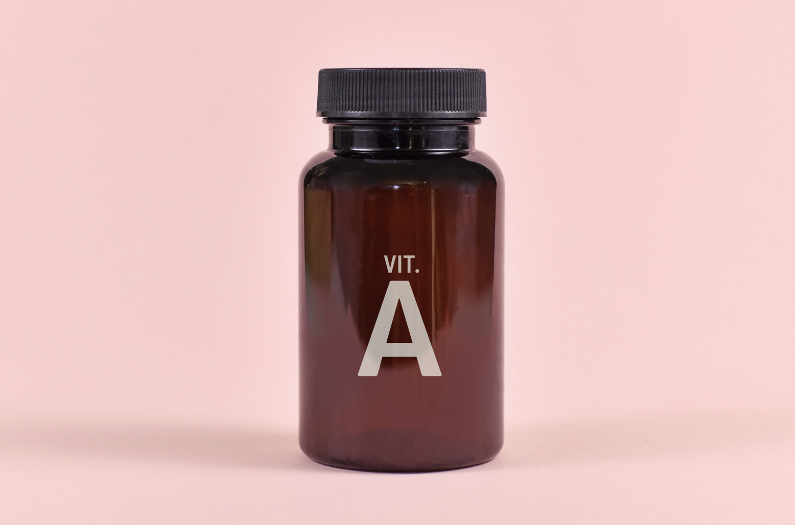
What about carotenoid supplements and vitamin A supplements?
Antioxidants, radiant skin, immune defense, revolutionary vision... Let's set the record straight on vitamin A and carotenoids!
Vitamin A
Unlike many vitamins, which are water-soluble, vitamin A is a fat-soluble vitamin (just like the vitamin D, E and K), i.e. the body can store them. Once absorbed, vitamin A can be stored in the liver or transported to perform its functions in target tissues.
Vision and vitamin A
Vitamin A is well known as the vitamin of vision. In fact, it supports eye health. Retinal (derived from vitamin A) is a component of the eye's retina, and helps support the night vision process. However, there are a number of reasons for this, under no circumstances can too much vitamin A «increase vision» or reverse an eye problem.

Gene modulator
Retinoid acid, derived from vitamin A, is... a hormone! In other words, it has the ability to modulate the genes of certain cells.
That's why it's featured in beauty products! Retinoic acid modulates gene expression in skin cells, ensuring their growth and differentiation. We're talking here about the skin of the face and body, but also the cornea and epithelial tissues (e.g. lung, digestive system). So it's easy to see why vitamin A has a role to play in immune health!
Why can't a pregnant woman eat liver?
Vitamin A is necessary for embryonic development during pregnancy.
So why wouldn't a supplement or liver (very rich in retinol; vitamin A) be beneficial?
Although’vitamin A deficiency inducedgo to a malformation of the embryo, an excessive product the same Indeed! Excess retinol leads toîdo an inappropriate expressione of gènes rendering the embryo unfit. That's why it's recommended that pregnant womens do do not consume liver!
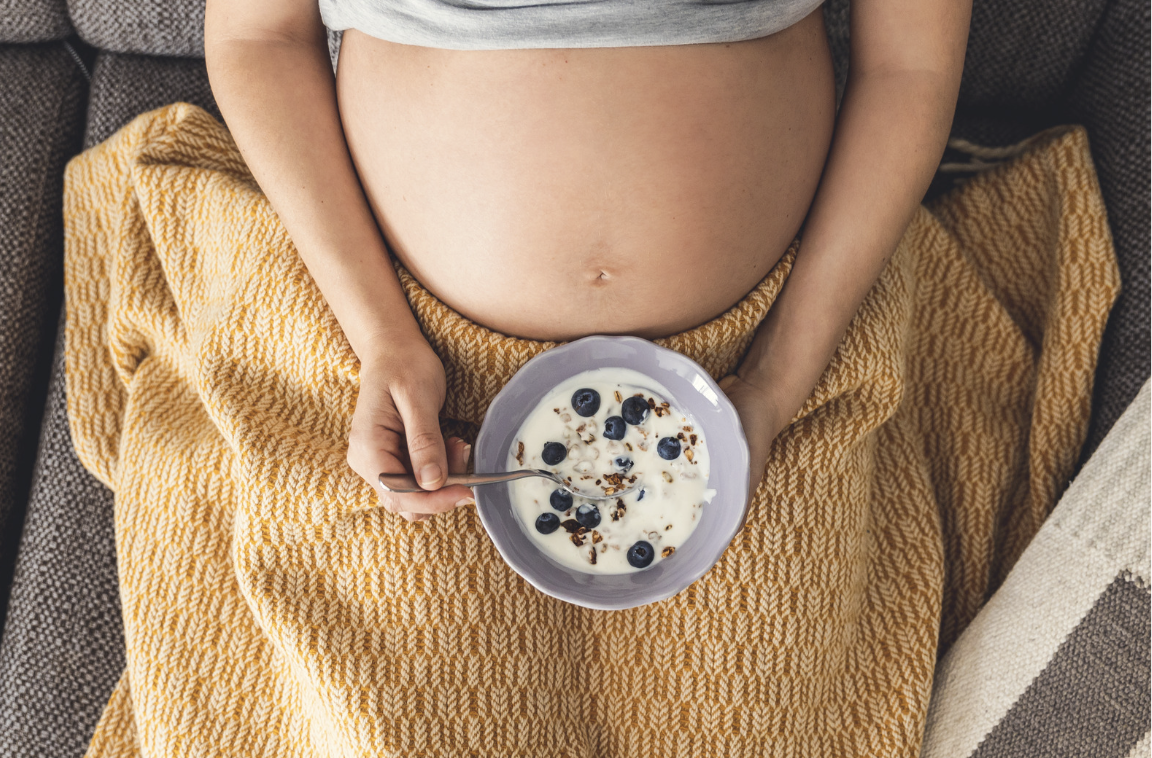
Vitamin A supplements
In the light of all this information, you will have understood that vitamin A supplements should not be taken on a daily basis by a healthy person, unless recommended by a physician.
Vitamin A is one of the most toxic vitamins, causing serious side effects if consumed in excess (e.g. via supplements).
Carotenoids
Carotenoids are phytochemicals that are non-essential but beneficial. Carotenoids, also known as provitamin A, can be bio-converted to retinol (vitamin A) at variable conversion rates. These include beta-carotenes from carrots, squash, mango, apricots, figs, red peppers and green vegetables.
On the other hand, other carotenoids are not provitamin A. These include lutein and zeaxanthin (found in green leafy plants, egg yolks, sweet potatoes, corn and citrus fruits), astaxanthin (found in salmon, trout and shrimps) and lycopene (found in tomatoes, watermelon, grapefruit, apricots and papaya). These are considered antioxidants. They lodge in the membranes and protect them from excessive oxidation.
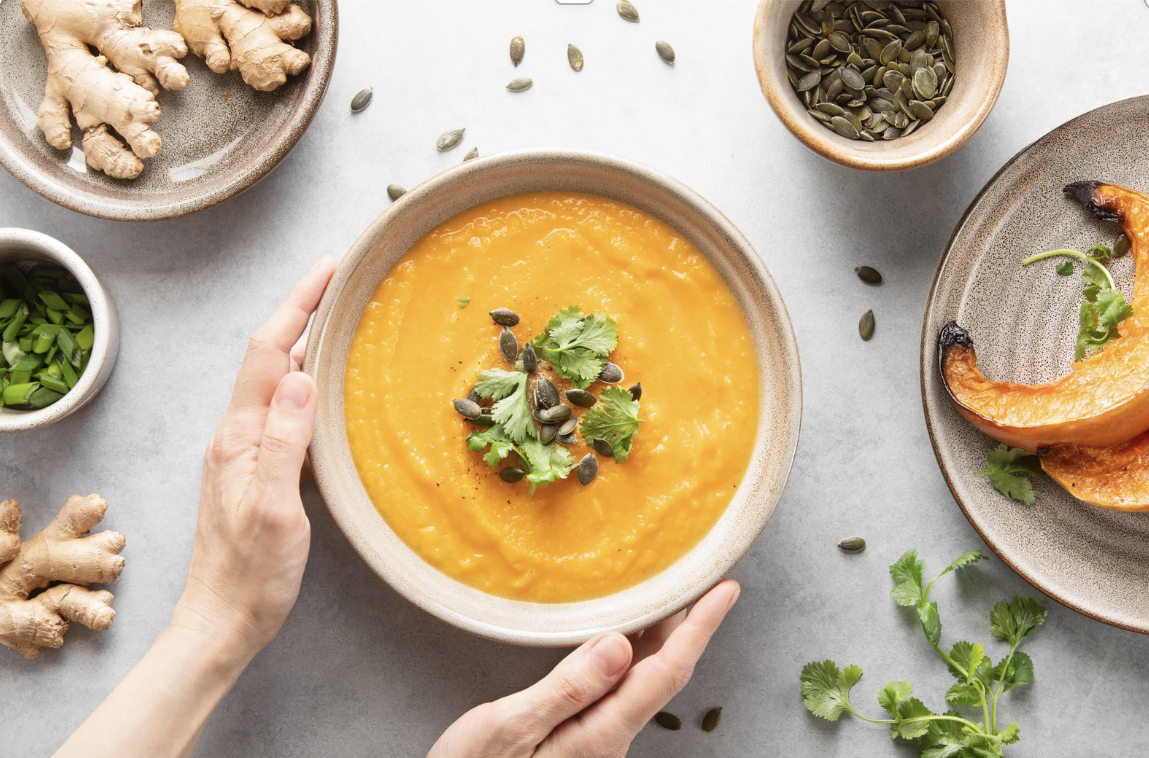
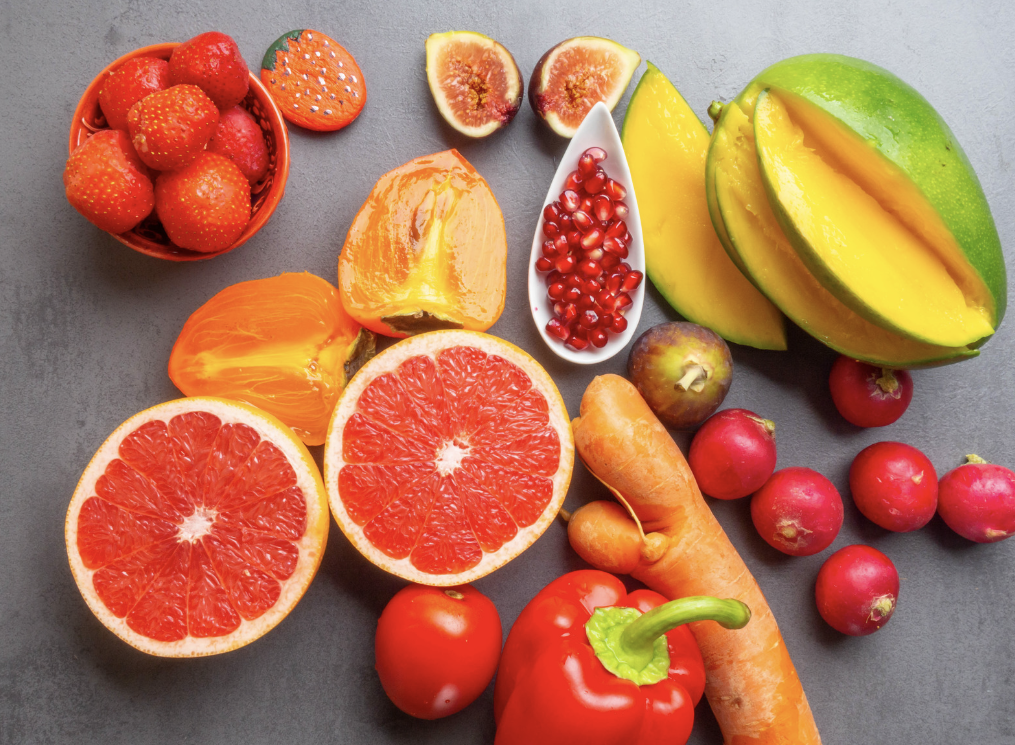
Eat more... to absorb less...
Want to booster in antioxidants? It's actually quite counterproductive. In fact, the bioavailability of carotenoids, i.e. the body's capacity to absorb them, is variable. For example, the more non-provitamin A carotenoids we ingest, the less we absorb!
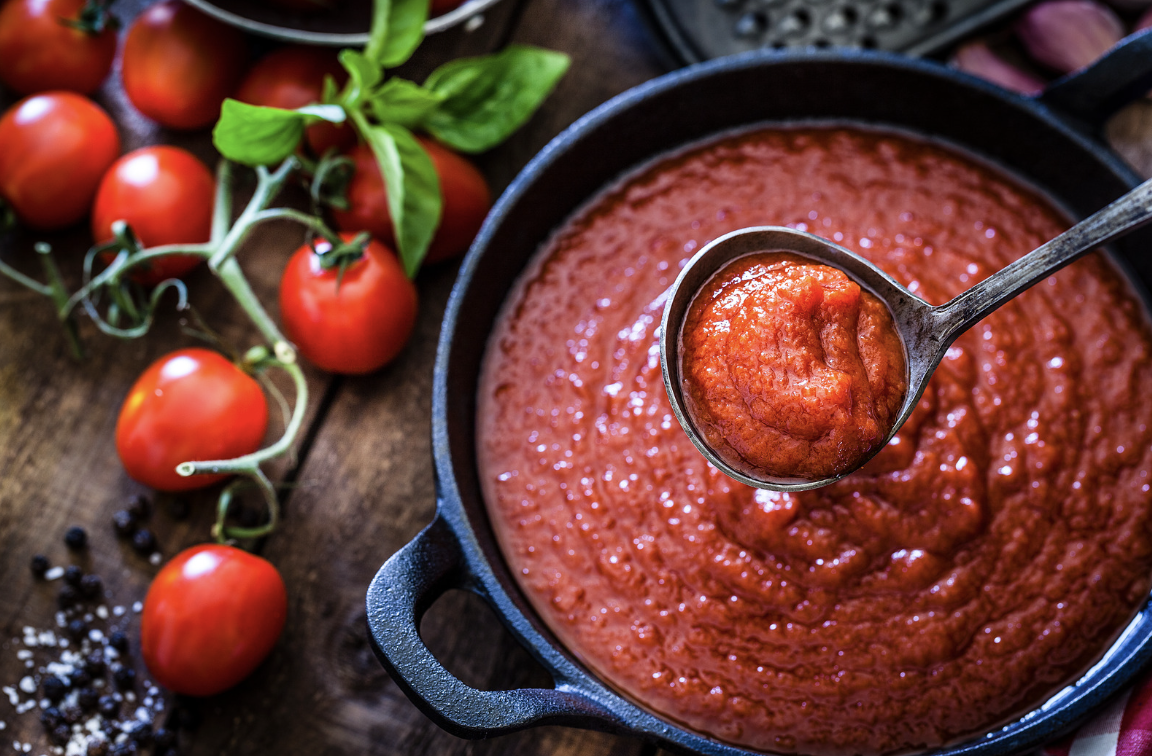
Cooked tomatoes are better than raw tomatoes?
This assertion stems from the fact that cooking vegetables (including tomatoes) weakens the fibrous matrix, thereby increasing the bioavailability of carotenoids. Furthermore, the simultaneous ingestion ofe lipids (e.g.. sweet potato fries or carrot salad with olive oil) increases the bioavailability carotenoids.
Can too much orange food give you an orange complexion?
Although this may sound strange, it's actually true! Carotenoids have a so-called aesthetic toxicity. On the other hand, the toxicity threshold is rarely reached if we adopt a diversified diet. Toxicity is more likely to result from taking carotenoid supplements. b-carotene at a level of over 30 g per day. This causes an aesthetic condition called carotenoderma, or orange complexion.
Carotenoid supplements
So there's absolutely no benefit to taking carotenoid supplements. The general recommendations are not to take carotenoid supplements, but to integrate carotenoid-containing foods into the various meals.
References
Bender et al. Harper's Biochemistry (6th ed.). (2017). Édition de Boeck Supérieur.
Geneviève Maillot, Phd, Dtp, Professor at Université de Montréal. Course Notes: Nutrient Metabolism: Antioxidants, BAC en nutrition (2024)
 French
  English