Updated August 2024
Do you believe these statements?
«Beets make you run longer and faster.»
«Beetroot boosts sports performance!»
«Beet nitrates, the new sports supplement par excellence.»
These claims generally include beet directly or its derivatives in supplements.
Is it true and supported by reliable sources? What does the current scientific literature say about the beloved beet?
Its nutritional table
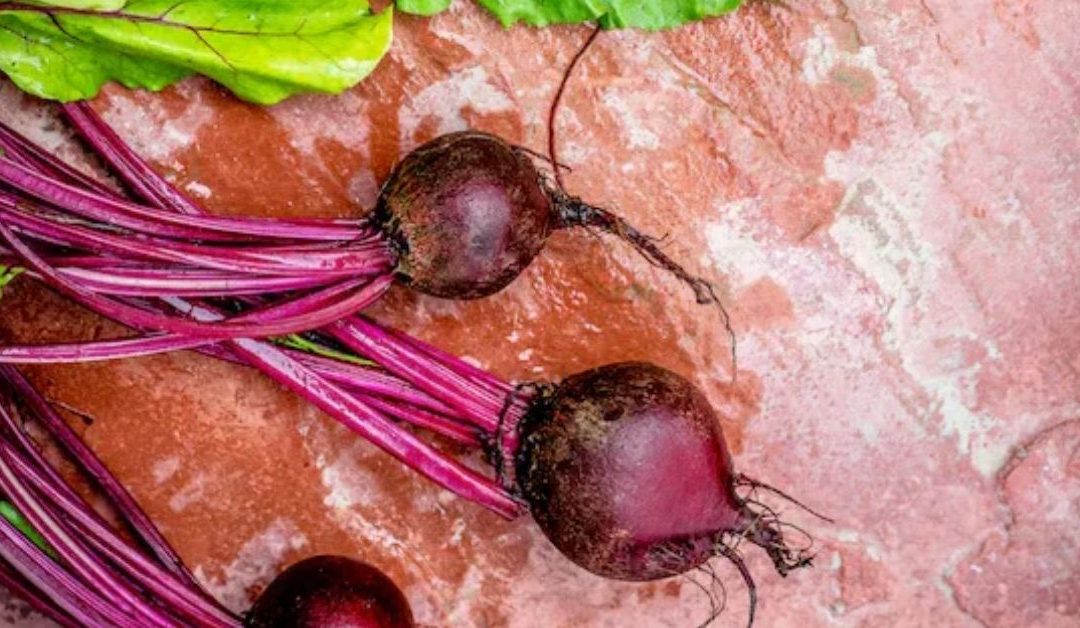
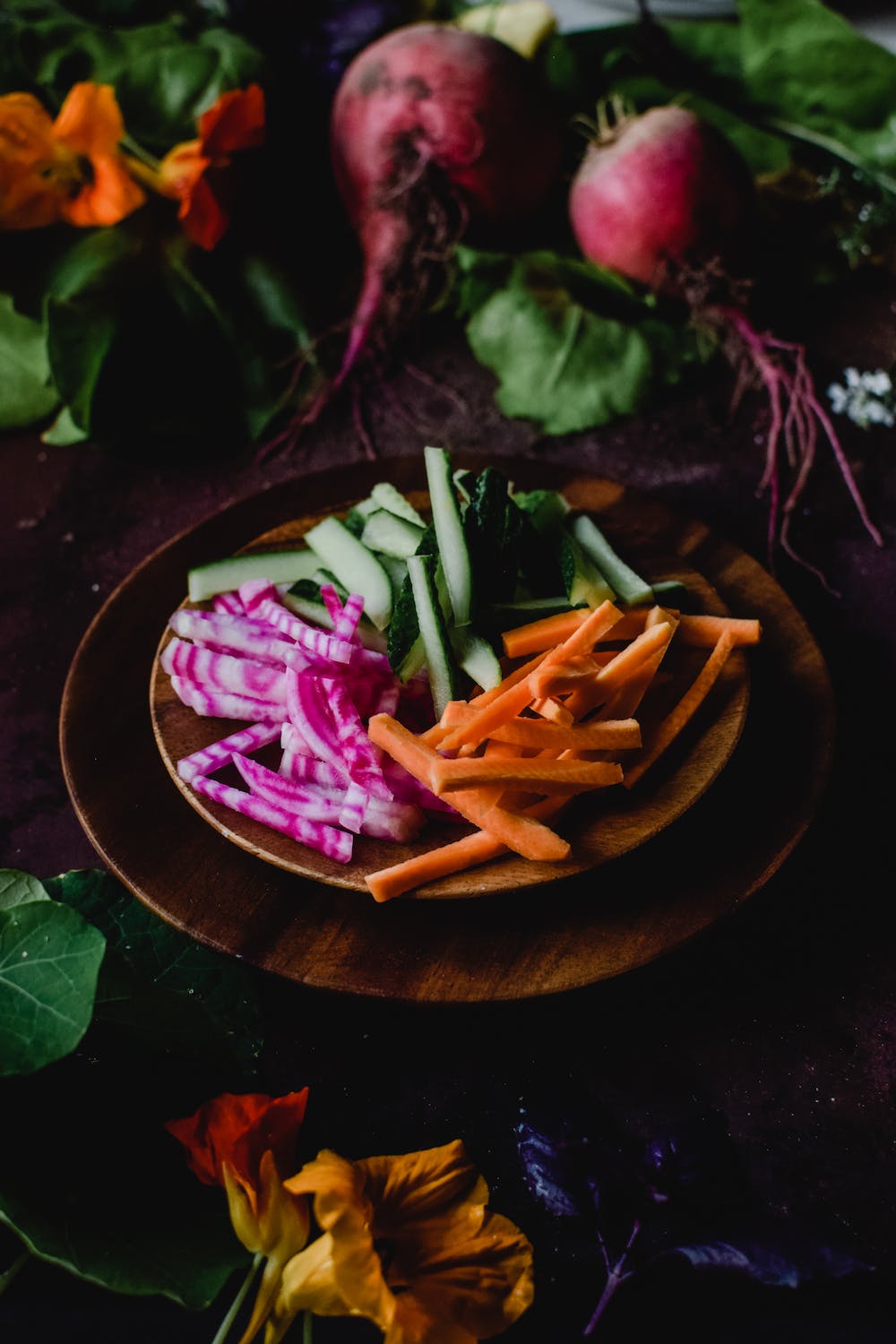
Beet comes in many varieties and colors, but the more it is color, the better its antioxidant power. Focus on the most common: red!.
Thanks to its pigments, including betalain, beet is a highly potent plant. antioxidant. It protects healthy cells from free radicals produced by the environment (e.g. processed foods, pollution, UV rays, pesticides, chemicals, radiation, alcohol, tobacco).
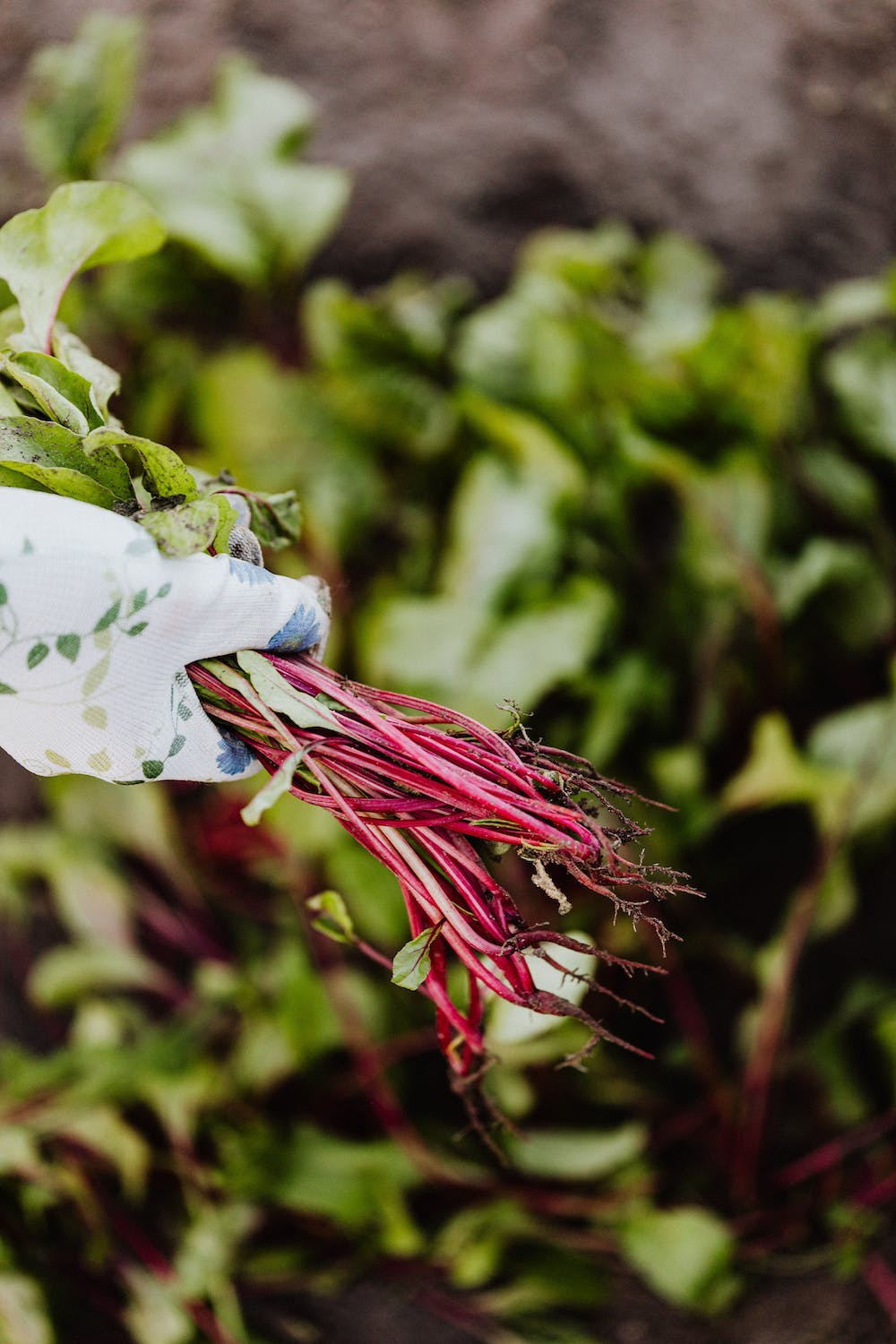
Whether cooked or juiced, beet's antioxidants remain intact and readily available. In fact, three times as many antioxidants are found in the peel as in the leaves! Although less common, beet skins can be eaten, for example, by baking them in the oven as vegetable «chips». It's important to wash and dry them thoroughly before use. The leaves can be used in the same way as spinach and Swiss chard, in stir-fries, omelettes, quiches and smoothies.
Rich in folate, vitamin C, potassium, magnesium, manganese and, of course, prebiotic fiber, this root vegetable has everything you need to love it, plus it's available year-round at low cost.
Visit folate (vitamin B9) it contains helps to build the body's cells, contributing to the formation of red blood cells, the metabolism of amino acids and the proper functioning of the nervous and immune systems. To preserve this vitamin intact, which is more fragile to heat, we recommend steaming or baking, taking care to keep the peel on. The peel can be easily removed after cooking.
Its antioxidant power is also appreciated by microbiota, due to its phenolic compounds, including flavonoids. Regular consumption of polyphenols seems contribute to increasing diversity microbial membrane. Certain types of polyphenols act directly on bacterial membranes, particularly those of pathogenic bacteria. In this way, the gradual reduction of pathogenic bacteria, combined with a diversity of healthy bacteria, improves the intestinal microbiota, gradually reducing the inflammation known as low grade and encourages the immune system to work properly.
Being rich in fibers, even prebiotics, (food for intestinal bacteria), beet is part of this list of foods to integrate for the overall health of the microbiota, allowing certain families of bacteria to produce molecules that are essential for the health of the microbiota. anti-inflammatories!
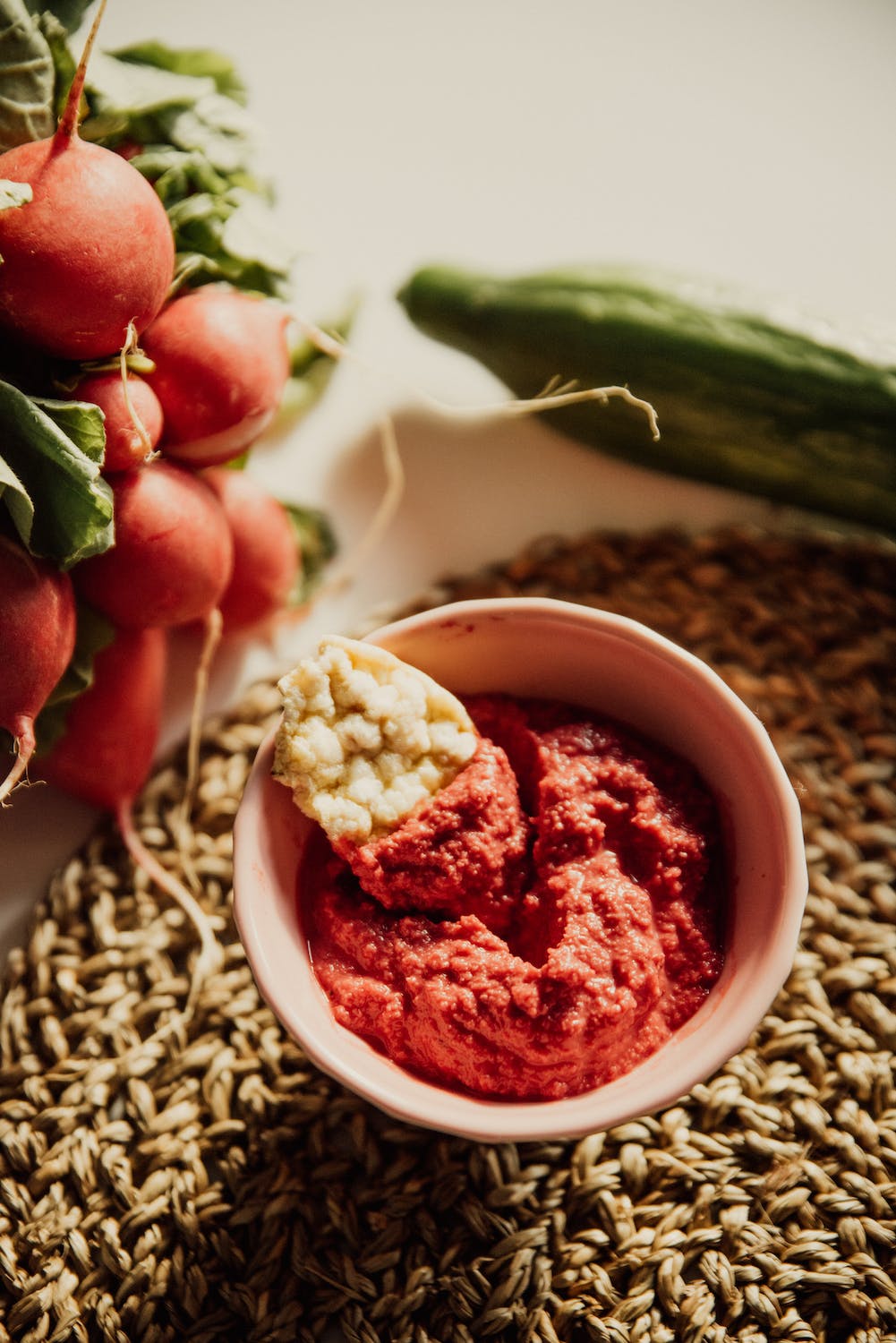
Beet has its digestion challenges
Although the nutritional properties and benefits of beet are attractive and of great interest for overall health and the intestinal microbiota, this vegetable is not tolerated in the same way by everyone...
First, beets contain FODMAP (fermentable carbohydrates poorly absorbed by the small intestine). More specifically, it is rich in galactans, a carbohydrate belonging to the oligosaccharide family, which are partially digested in the small intestine. When they reach the large intestine, these carbohydrates are fermented by intestinal bacteria, which can be very positive, but also the cause of gas sometimes very uncomfortable. Visit gastrointestinal discomfort can be bloating, the diarrhea, the constipation or even reflux in people sensitive to FODMAPs. For many people, beet is quite easily digested when eaten in moderation. For those who are sensitive, these discomforts could adversely affect not only the quality of life, but also the sporting performance associated with this root vegetable.
Nitrates in beet!
Nitrates get negative press when they act as a food additive in processed foods such as deli meats and some cheeses. In fact, nitrates are added to food by industry to inhibit bacterial growth, enhance taste and modify color. These nitrates are potentially carcinogenic, due to the formation of nitrosamines. It's best to avoid them!
In the case of beet nitrates, For the time being, they're more likely to be valued. Let's find out why!
Chemically, once ingested into the body, nitrates are converted into nitric oxide (NO). Nitric oxide plays a crucial role in the body, particularly during physical activity.
When we're on the move, nitric oxide is used as a substitute for oxygen, to reduce the demand for oxygen and preserve it for improved performance.
The NO :
- contributes to skeletal muscle contraction; ;
- reduces muscular fatigue caused by exertion; ;
- is vasculoprotective (increases the resistance of small blood vessels, allowing them to circulate a greater volume of blood and tolerate more pressure); ;
- optimizes mitochondrial respiration (i.e., the set of reactions that convert glucose into energy molecules (called ATP)).
According to’Australian Institute of Sport (AIS) published in 2021, the beneficial effects of nitrates would have been observed in low and moderately active people, as well as in those who are slightly more advanced, but not competitive and professional (2). The type of physical activity concerned by these benefits would be very intense, short-term physical activity (less than 15 minutes). It should also be noted that the majority of studies with significant results were carried out in adult men. Few studies in women have shown significant results (2).
Again according to currently available data, top-level and expert athletes (classified as having a VO2 max greater than 65 ml/kg/min) generally have excellent cardiovascular and pulmonary capacities, so the oxygen-preserving effect of nitrates would be much less significant. Their bodies would be better able to direct oxygen to the muscles that fundamentally need it, rather than dispersing it to muscles that require less.
Endurance sports and beet: what's the deal?
It was long thought that beet juice would be beneficial for endurance sports. However, although small improvements can be observed sporadically, recent studies (4, 5, 8), instead, show that the benefits are far less enticing. Endurance sports (such as running, swimming, walking, long-distance cycling) require a lower level of power and intensity. The challenge here is to maintain effort over a long period. As a result, after 15 minutes of effort, various metabolic reasons suggest that beet, and therefore nitrate intake, offers fewer benefits. Studies are contradictory, with others proposing the opposite (7).
High-intensity sports and beet - what's been documented so far!
In the case of short-duration efforts such as sprints and high-intensity interval training (commonly known as HIIT), the positive effects of beet would be more widely observed and applicable (1, 8). Future research will undoubtedly provide even more information!

What do we do with «beet» supplements and how do we choose them?
The multitude of supplements on the market can become dizzying. On the one hand, there are beet juices, beet gels, beet powders... The choices are so abundant that many untested, ineffective and even unsafe products can be found among them.
According to Health Canada, the supplement industry, unlike the food and pharmaceutical industries, is subject to very few regulations and controls by government authorities. As a result, supplements can :
- intentionally contain certain prohibited substances; ;
- be unintentionally contaminated with prohibited substances (e.g. contaminated base ingredients, incorrect base ingredients, cross-contamination during manufacturing); ;
- be mislabeled.
In addition, supplement manufacturers sometimes :
→ fail to correctly list all ingredients and accurately state the relative amount of each ingredient per dose;
→ make false claims (e.g. approved by AMA) ;
→ make false claims about the health benefits of their products;→ fail to include warnings about the effects of their products such as potential health side effects.
In addition, to identify products registered in Canada, we refer to the eight-digit Natural Product Number (NPN) or Homeopathic Medicine Number (DIN-HM) on the label. The presence of a NPN or DIN-HM means that the product can be legally sold in Canada, and that it is safe and effective when used according to label directions.
Knowing all this, is it possible to make your own juice to improve physical performance? It's your choice, but be aware that under such conditions, your juice will be a source of vegetables and carbohydrates, not necessarily a performance drink. And be sure to tolerate the galactans it contains to avoid digestive discomfort during sporting activity.
If you really want to integrate beet juice despite your digestive sensitivity, start by eating beet in a context that does not involve physical activity, then include beet in small doses, very gradually, to assess your tolerance level (for example, consume juice in small quantities and/or more diluted, or add beet powder to energy balls (try the Energy balls with beet powder, raisins and cinnamon). Of course, in this type of situation, the amount of nitrate is likely to be far too low to have any effect on sports performance, but it will help you to get used to beet.
Similarly, if beet supplements and juice seem to give you energy and increase your performance based on your own experience and statistics, it may work for you, but it may not be the case for the person next door. Everyone's different
Note that a higher intake of beet will have the side effect of making your urine or stools slightly pinker. Although surprising, this side effect is harmless.
Conclusion
If you're planning to take part in a sports competition or any other sporting challenge and are thinking of incorporating beet into your routine, talk to a nutritionist. Rather than going in unannounced, opt for a personalized protocol that will save you time and money while optimizing your performance and your health.
Although studies on the use of beet as a supplement seem promising, possible performance increases are only 0-2 or 3% in amateur athletes.
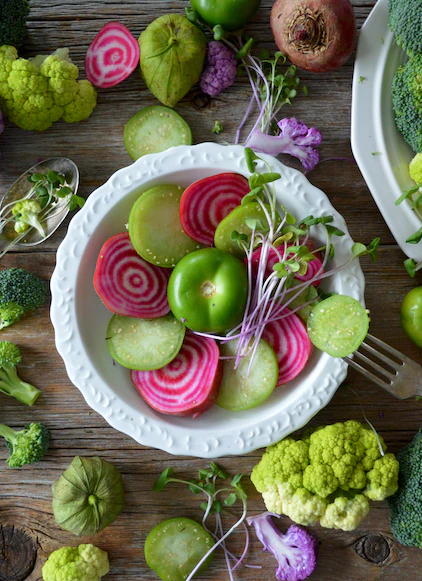
So we're ditching the beet? No, you don't !
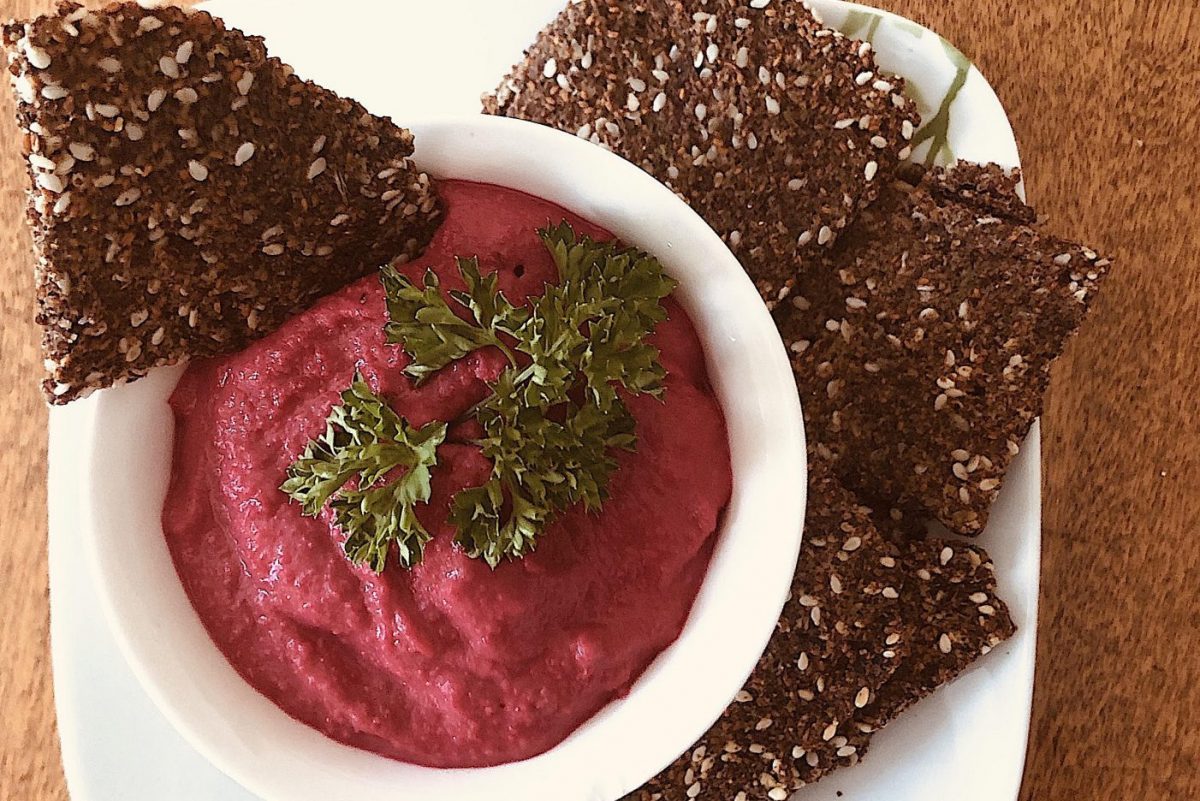
Like other vegetables, beet is an excellent choice for salads, soups, hummus, pasta, muffins and more. Note, however, that your muffin with a little beet in it, or even your hummus or beet soup, will not on their own enable you to perform exceptionally well in your high-intensity workouts. In these contexts, the quantity of nitrates is difficult to estimate.
In any case, whether its ergogenic effect on sports performance is true, strong or absent, and even if we don't intend to use it to «boost our performance», let's enjoy beet for its sweet and tangy taste, appreciate its beautiful color and assimilate all its good nutrients, antioxidants and polyphenols adored by our bacteria!
Mediagraphy
Culinary Academy. INAF. (2017). Food encyclopedia. Québec Amérique.
The visual encyclopedia of food
AIS Sport. (2021). «AIS Sport Supplement Framework; Dietary nitrate / Beetroot Juice”. https://www.ais.gov.au/__data/assets/pdf_file/0013/1000552/36194_Sport-supplement-fact-sheets-Beetroot-Juice-Nitrate-v3.pdf
Bélanger, M. et al, (2015). La nutrition. Chenelière Éducation.
Bescós, R., Ferrer-Roca, V., Galilea, P. A., Roig, A., Drobnic, F., Sureda, A., Martorell, M., Cordova, A., Tur, J. A., & Pons, A. (2012). “Sodium nitrate Supplementation Does Not Enhance Performance of Endurance Athletes”. Medicine and science in sports and exercise, 44(12), 2400-2409.
Bescós, R., Sureda, A., Tur, J. A., & Pons, A. (2012). «The Effect of Nitric-oxide-related Supplements on Human Performance”. Sports medicine (Auckland, N.Z.), 42(2), 99-117.
Desgroseilliers, J. (2020). La jungle alimentaire ; Comment s'y retrouver. Les Éditions La Presse.
Gao, C., Gupta, S., Adli, T., Hou, W., Coolsaet, R., Hayes, A., Kim, K., Pandey, A., Gordon, J., Chahil, G., Belley-Cote, E. P., & Whitlock, R. P. (2021). “The Effects of Dietary Nitrate Supplementation on Endurance Exercise Performance and Cardiorespiratory Measures in Healthy Adults: a Systematic Review and Meta-analysis. Journal of the International Society of Sports Nutrition, 18(1), 55.
Hlinsky, T. Kumstat, M. Vajda, Petr. (2020), “Effects of Dietary Nitrate on Time Trial Performance in Athletes with Differents Training Status: Systematic Review”. Article in Nutrients MDPI. https://www.researchgate.net/publication/344164967_Effects_of_Dietary_Nitrates_on_Time_Trial_Performance_in_Athletes_with_Different_Training_Status_Systematic_Review
Malik, T. F., & Aurelio, D. M. (2023). «Extraintestinal Manifestations of Inflammatory Bowel Disease.” In StatPearls. StatPearls Publishing.
Senefeld, J. W., Wiggins, C. C., Regimbal, R. J., Dominelli, P. B., Baker, S. E., & Joyner, M. J. (2020). “Ergogenic Effect of Nitrate Supplementation: A Systematic Review and Meta-analysis.” Medicine and science in sports and exercise, 52(10), 2250-2261.
 French
  English