Incorporating fermented foods appears to have a number of health benefits. Would you like to eat more of them, but don't know how to incorporate them into your menu? Check out this article for some tips!
What is a fermented food?
Visit fermented foods are foods that are produced by the addition of microbial substances (bacteria, yeast). These foods therefore contain live, active microorganisms that can positively influence the microbiota.
How do you integrate them?
These foods are becoming increasingly popular, but how do you make them a tempting addition to your meals?
Here are a few tips:
Kimchi
Add it to salads, lunch bowls, sandwiches or burgers. It's also a delicious accompaniment to salmon, white fish, chicken and tofu.

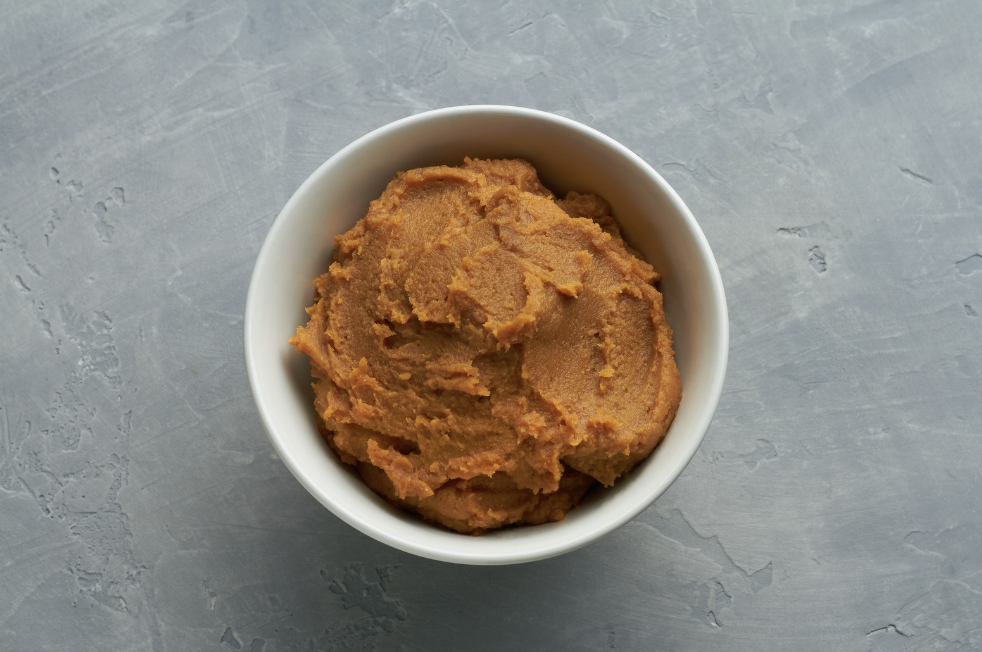
Miso
Use miso in marinades and soups, and replace soy sauce in your current recipes. Just dilute it in a little water and add it at the very end of cooking!
Kefir
Kefir is a great substitute for yogurt in recipes! So use kefir in smoothies, cereals, salad dressings, pancakes or on fruit.


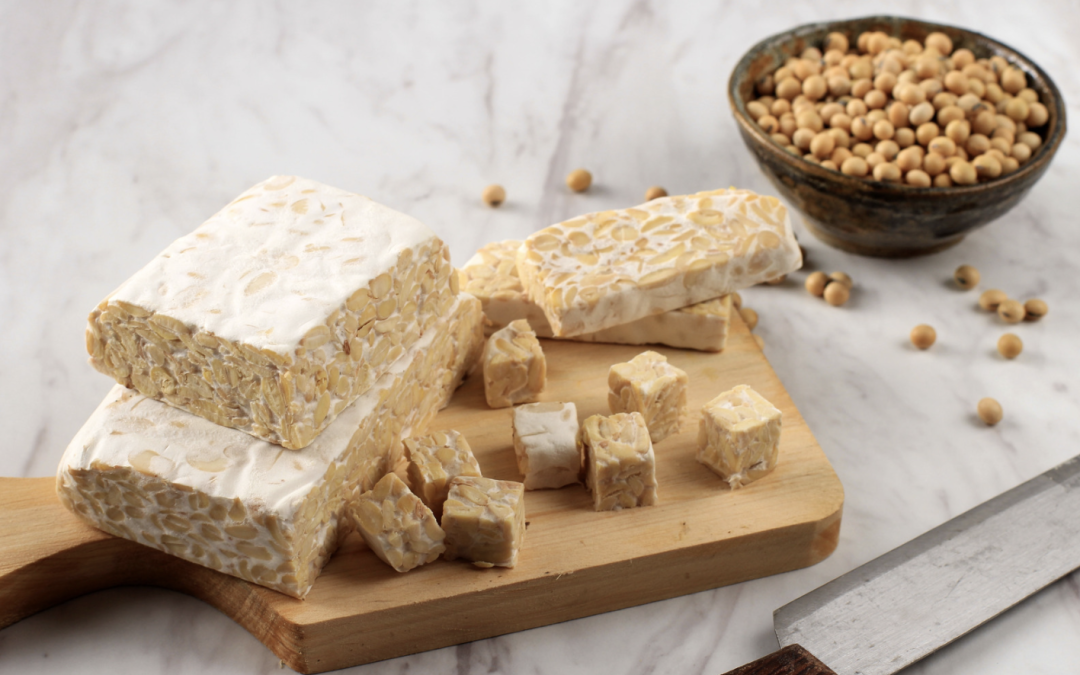
Tempeh
Grilled on a griddle, its strips are perfect for a wrap or stir-fry.


The ABCs of fermented foods
To become a pro at fermented foods, take a look at our guide The ABCs of fermented foods! It's all here: their benefits for your digestive health, how to store them, how to select them when you buy them, and several recipes to make the most of them!

 French
  English