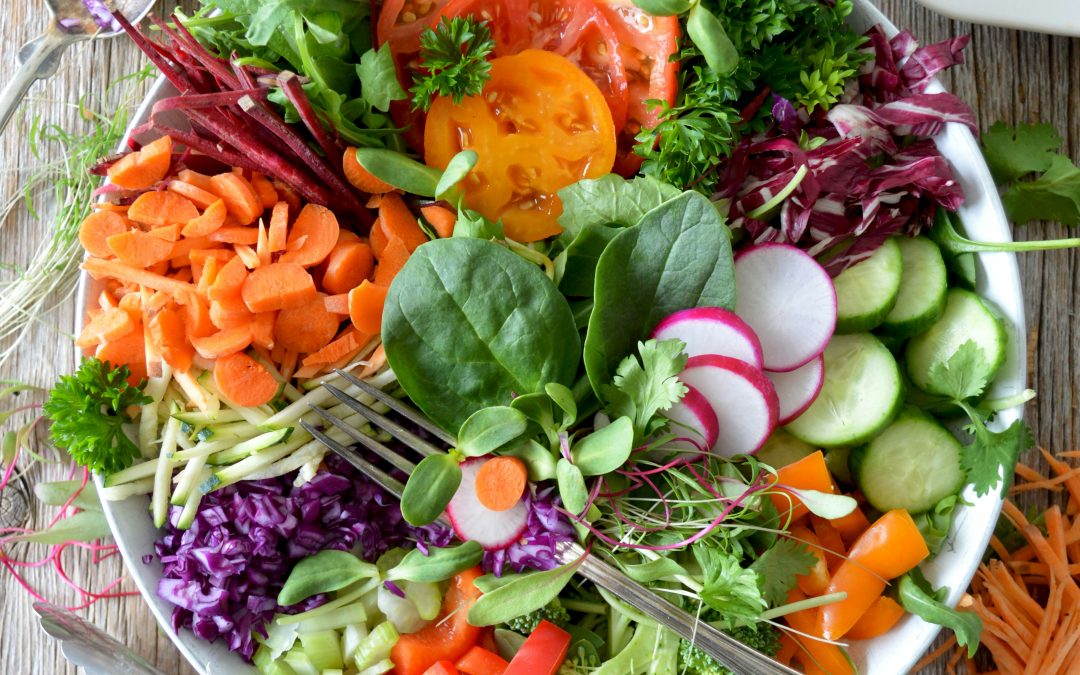
Fruits and vegetables, sources of fiber and prebiotics par excellence.
A beneficial combo for your intestinal microbiota, your digestive health and your overall health!
Discover these Quebec plants at the start of summer!

Artichokes:
Each ½ cup serving (89 g) contains 3.4 g of total fiber, including 0.7 g of soluble fiber and 2.7 g of insoluble fiber.
Artichokes are often overlooked, but they are an excellent antioxidants par excellence and a good source of folate (vitamin B9), a vitamin involved in the production of serotonin (the neurotransmitter of well-being)!
Artichokes are rich in prebiotic, particularly fructan. Fructan is a simple, accessible carbohydrate that is rapidly fermented by intestinal bacteria. A word of warning for those sensitive to FODMAPs!
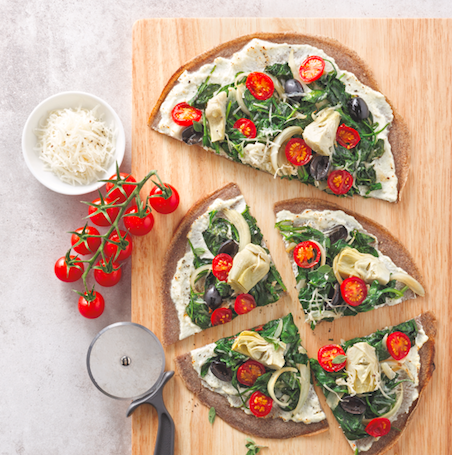
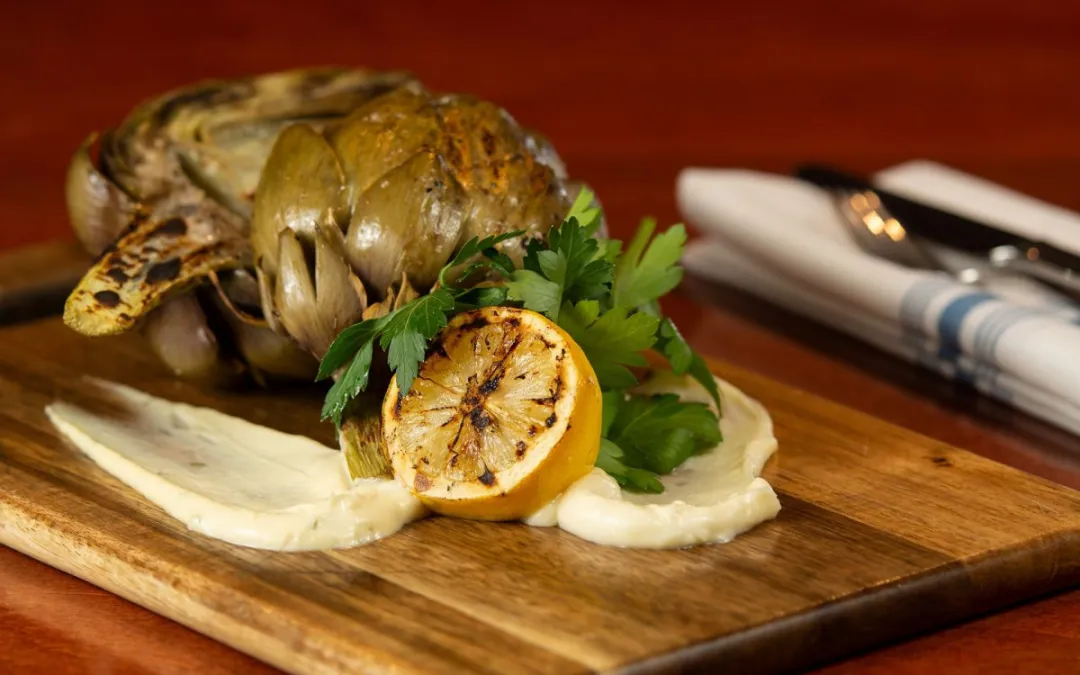
Grilled in olive oil, sprinkled with spices or featured on pizza or garlic naan bread, this summer, make artichokes part of your meal!
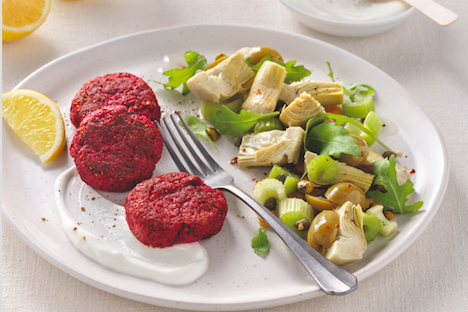
Here are some nutritious recipe ideas for cooking with artichokes:

Rhubarb:
Did you know that only the stems are edible? The leaves contain a high level of oxalic acid, a potentially toxic substance.
Leaves aside, rhubarb is a welcome addition to anyone's diet. In addition to being low in FODMAP, It contains 2.5 g of total fibre per serving (1/2 cup (127 g) of cooked rhubarb), the majority of which is made up of insoluble fibers, recognized for prevent constipation.
Its acidity, similar to that of cranberries, makes the strawberry-rhubarb combo, the apple-rhubarb combo or even a salad, a delight!
Asparagus:
Rich in phenolic compounds and carotenoids, two antioxidants that can help prevent certain cancers and cardiovascular diseases, asparagus is a vegetable of choice!
As is the case with artichokes, asparagus is rich in fructans, a fatty acid. prebiotic of the intestinal microbiota. A word of warning, however, for those sensitive to FODMAPs! For 6 stalks of cooked asparagus (90 g), you'll find 1.8 g of total fiber, including 1.1 g of soluble fiber and 0.7 g of insoluble fiber.
Why does urine smell strange after eating asparagus? It's the asparagusic acid contained in asparagus that is responsible for the characteristic smell of urine... that we all know!
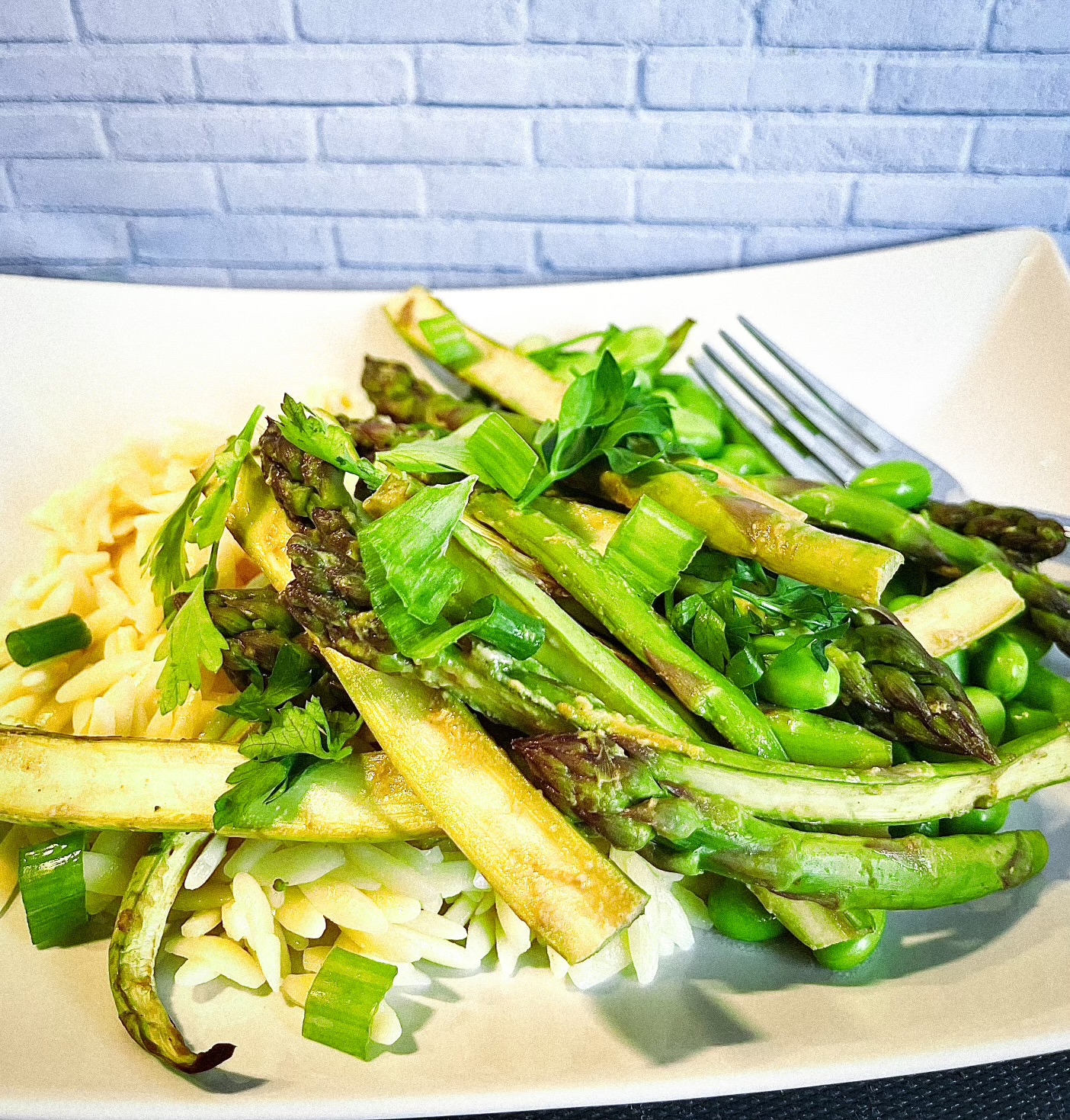
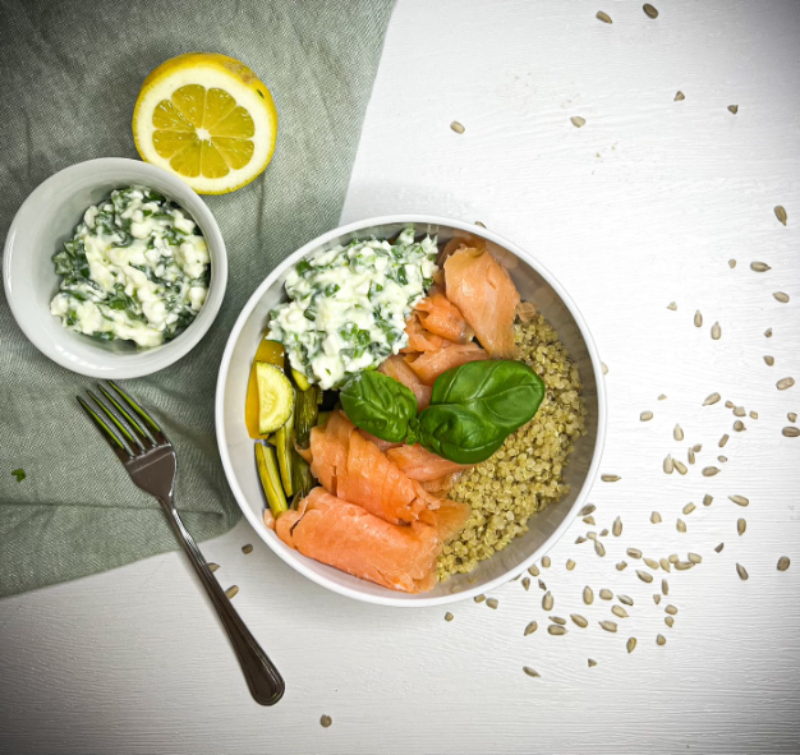
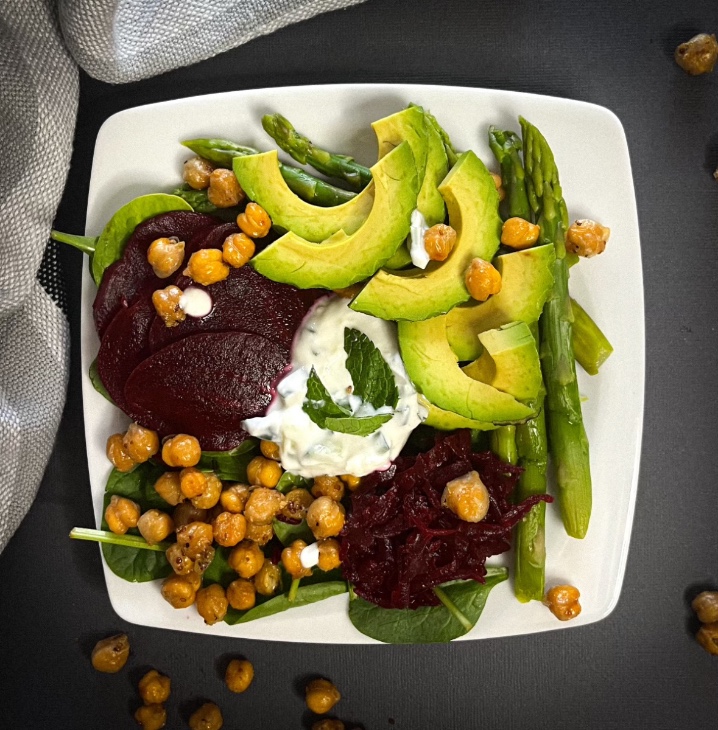
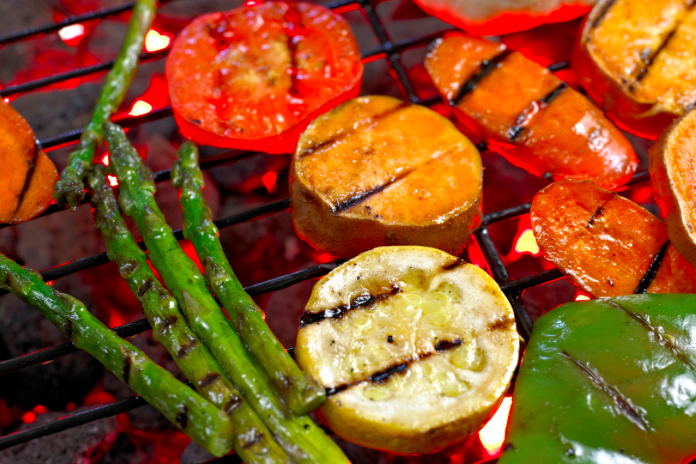
Green, white or purple! Hop on the BBQ, in salads or in pasta dishes!

Radish:
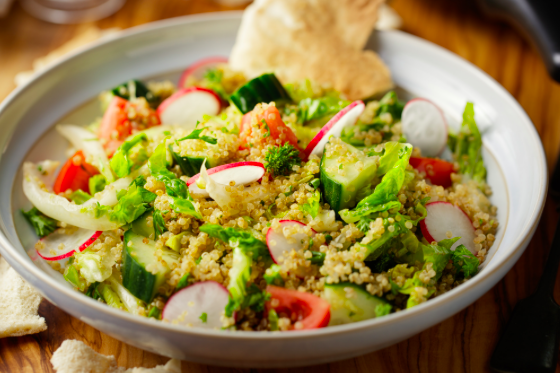
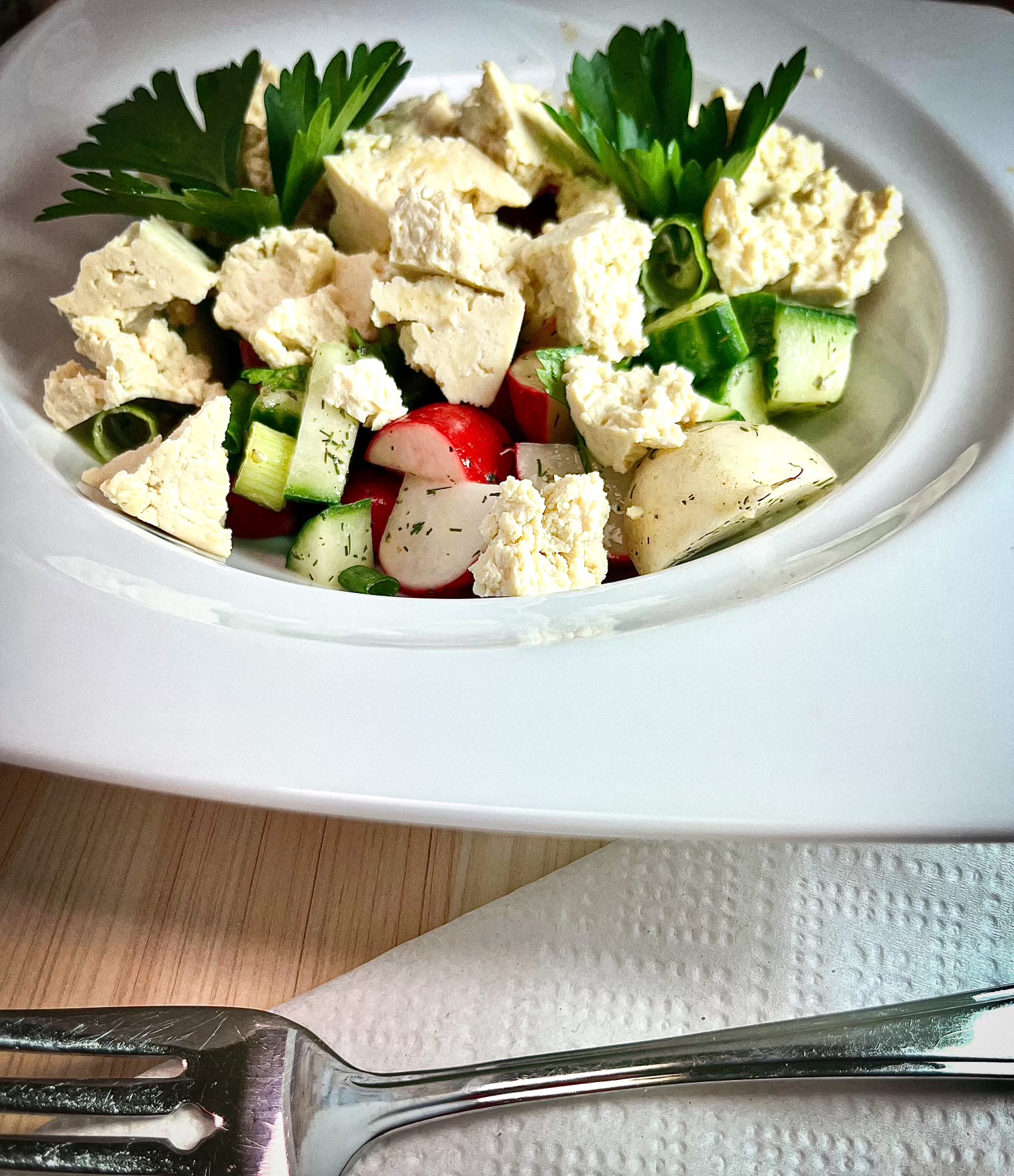
For ½ cup of raw radishes, get 1 g of total fiber. In addition to being low in FODMAP (radishes contain glucosinolates, a compound with potentially anti-inflammatory properties. anticarcinogenic, antioxidant, antimicrobial and antimutagenic !
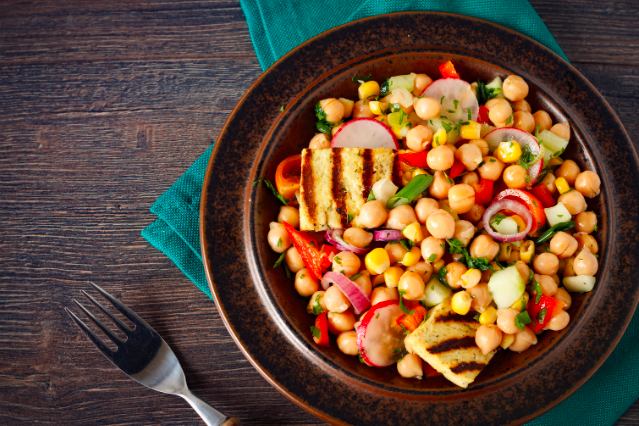
Integrated into many kimchis, they are equally delicious in salads, stir-fried or with a hummus dip.

Zucchinis:
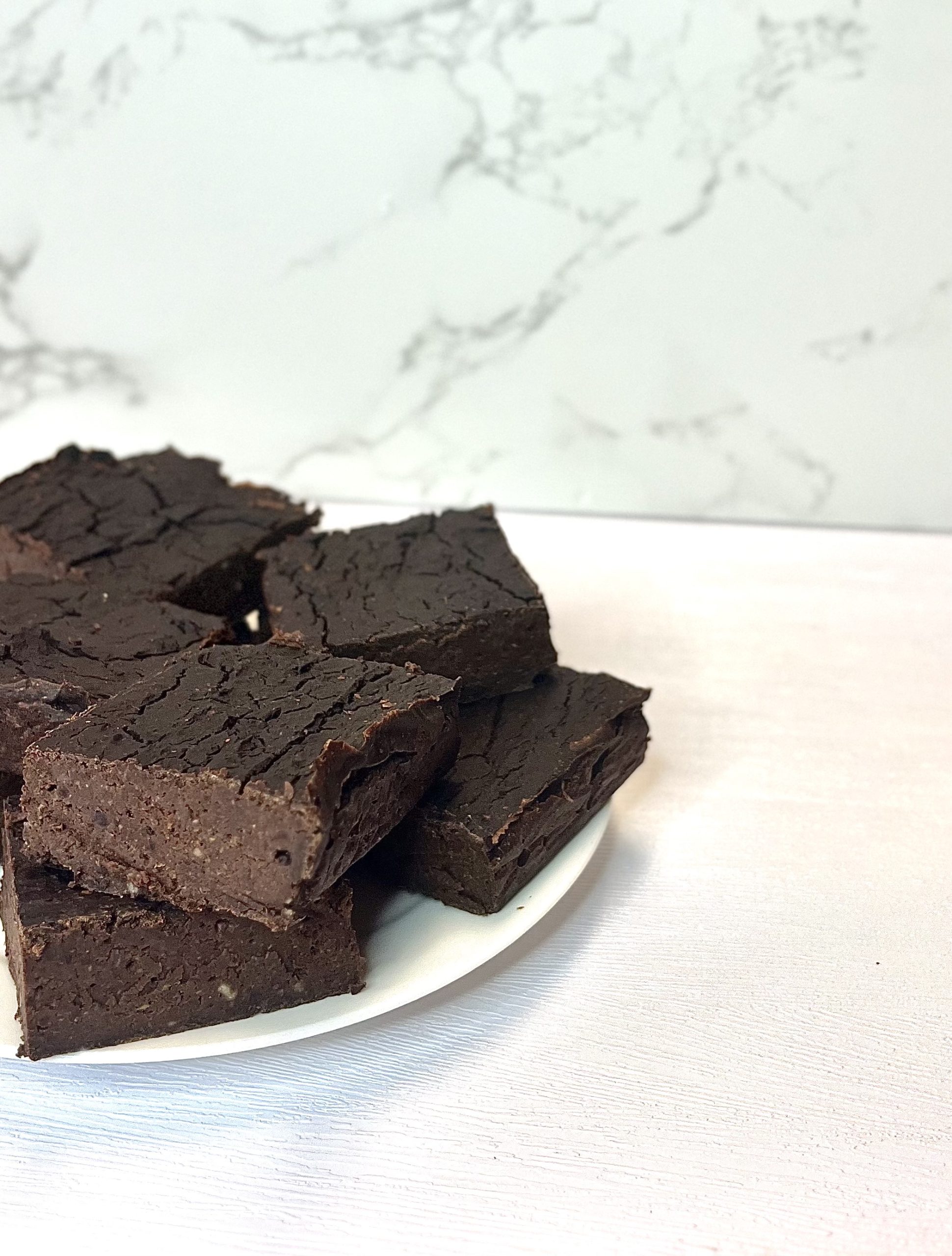
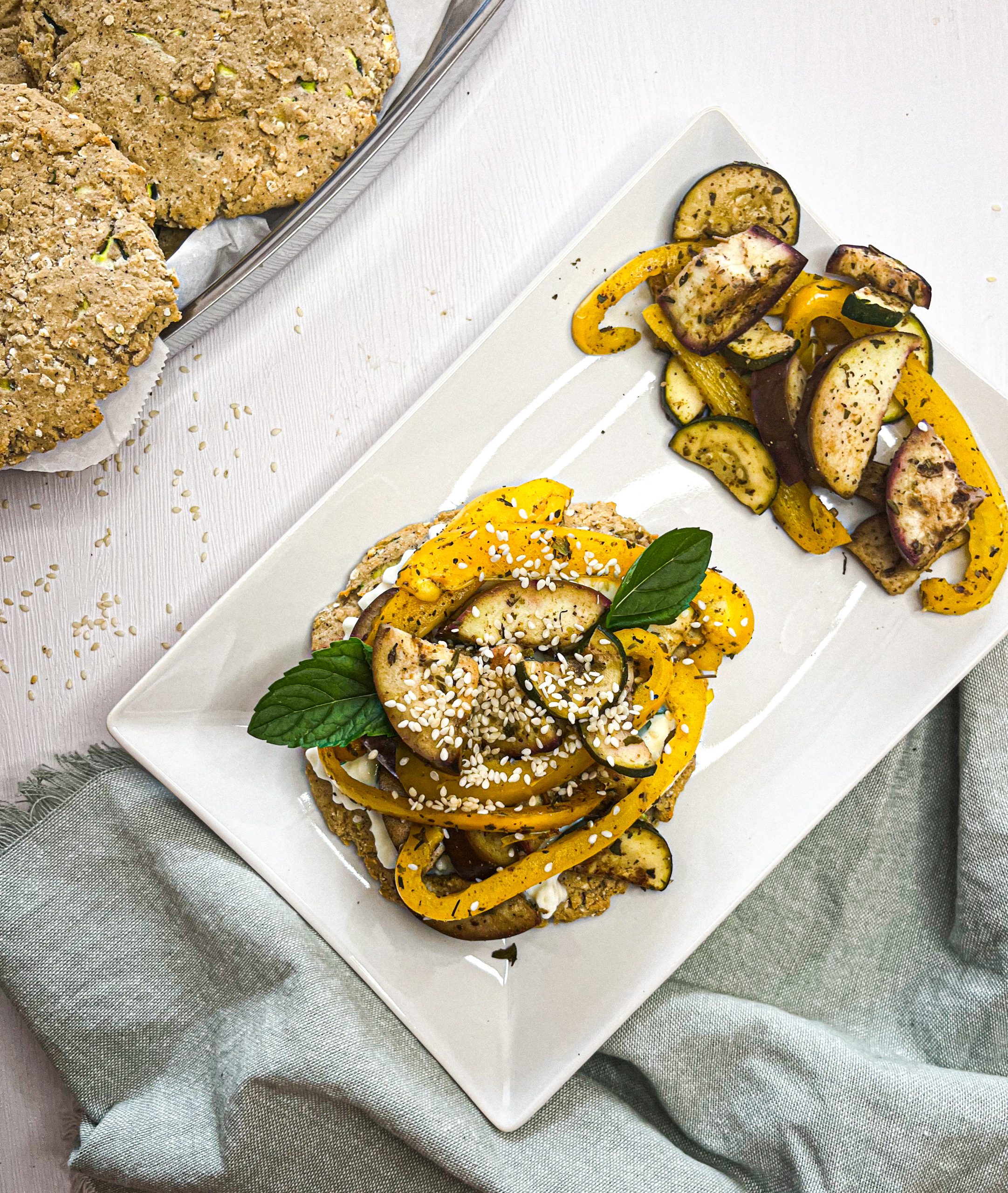
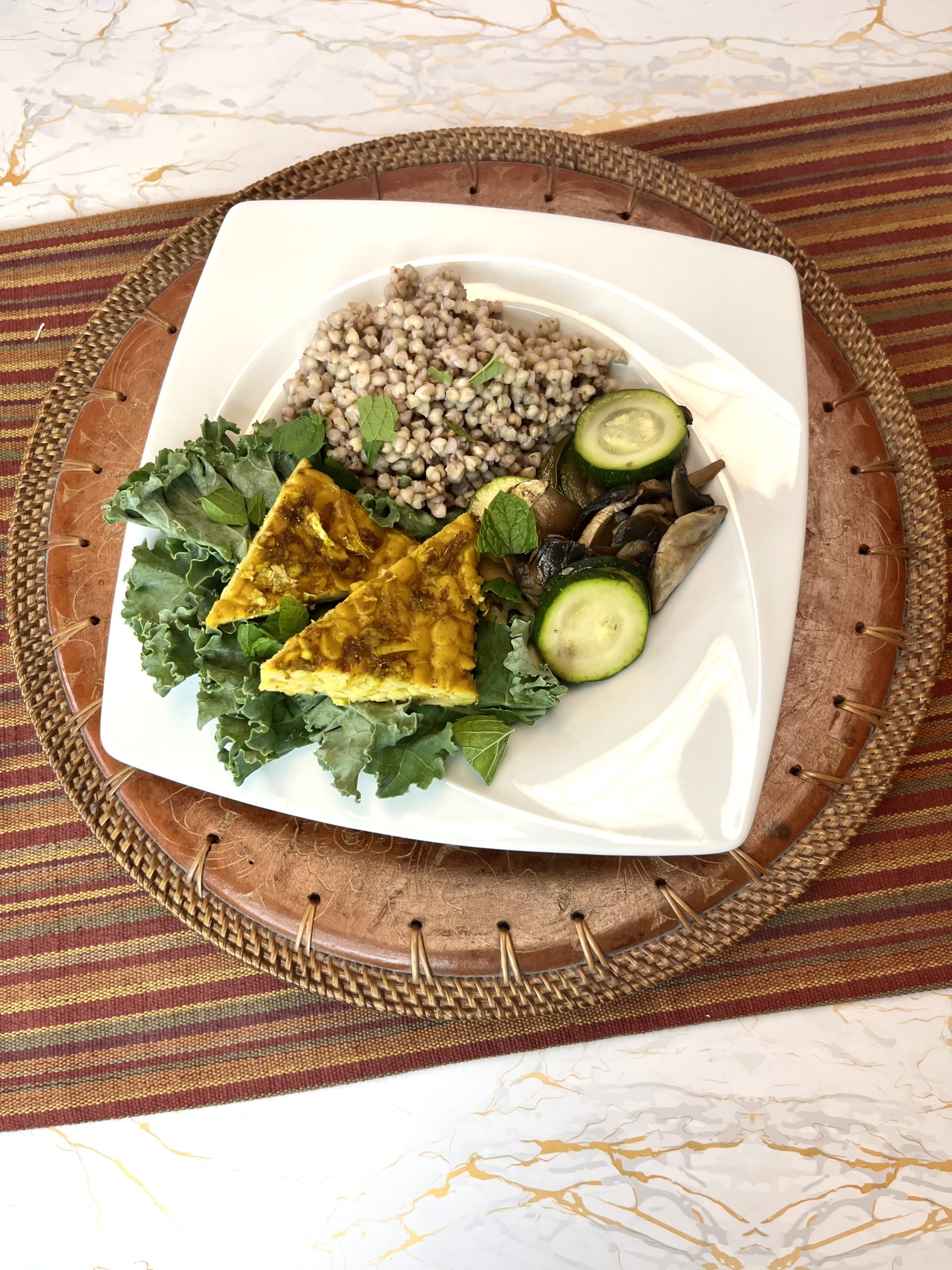
Delicate, with a discreet, all-purpose flavour, zucchini is a vegetable that goes everywhere! In a gratin, lasagne, ratatouille or quiche, grilled in a sandwich or hamburger, spiralized as a pasta substitute or even in muffins, oatmeal and galettes.
Low in FODMAP, a good source of fibre (1 g of total fibre per 125 ml of cooked summer zucchinis, including 0.6 g of insoluble fibre), vitamins and minerals. vitamin C and as a bonus, rich in lutein and zeaxanthin, two antioxidants!


Know your daily fibre intake:
To find out all you need to know about the total, soluble and insoluble fiber content of the plants you eat, use the tool designed by the Épithélia team!

Pssst! Subscribe to the bank of exclusive recipes so you too can have access to an ever-improving cookbook.
References:
- Government of Canada (2019). Canadian Nutrient File (CNF). https://aliments-nutrition.canada.ca/cnf-fce/?lang=fre
- Harvard University Health Services. (May 2004). Fiber Content of Foods in Common Portions. https://cookwithkathy.files.wordpress.com/2014/05/sifibre.pdf
- North Ottawa Wellness Foundation. (n.d.). Soluble & Insoluble Fiber Foods List. https://www.northottawawellnessfoundation.org/wp-content/uploads/2017/11/NOWF-Fiber-Content-of-Foods.pdf
 French
  English