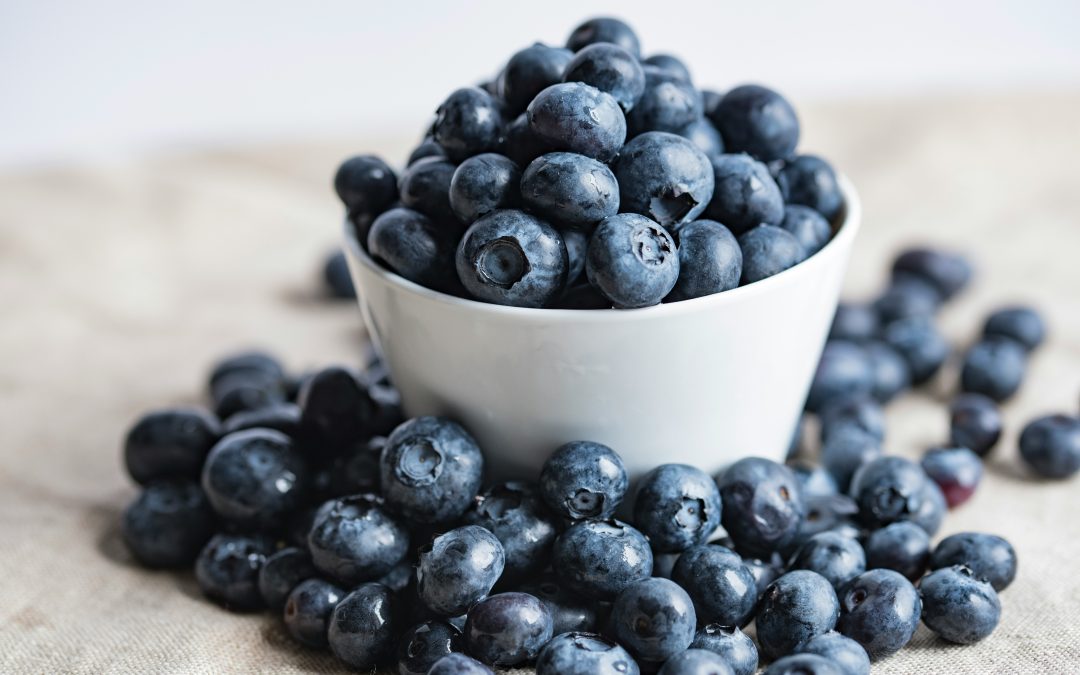
The blueberry is a berry that attracts attention for its many health benefits. These are due in particular to its richness in numerous phytochemical compounds, including anthocyanins, an antioxidant responsible for its blue color.
Here are some of the virtues they are recognized for, either well-proven or, at this point, still under scrutiny by researchers.
First of all, is the blueberry a fruit with anti-aging potential?
Anthocyanins - more specifically, the resveratrol contained in blueberries - would suggest that blueberries have an anti-aging effect.
Really?
Can blueberries prevent dark circles?
Can blueberries prevent neurological and physiological aging?
Let's take a closer look at the data currently available.
Anthocyanins and blueberries
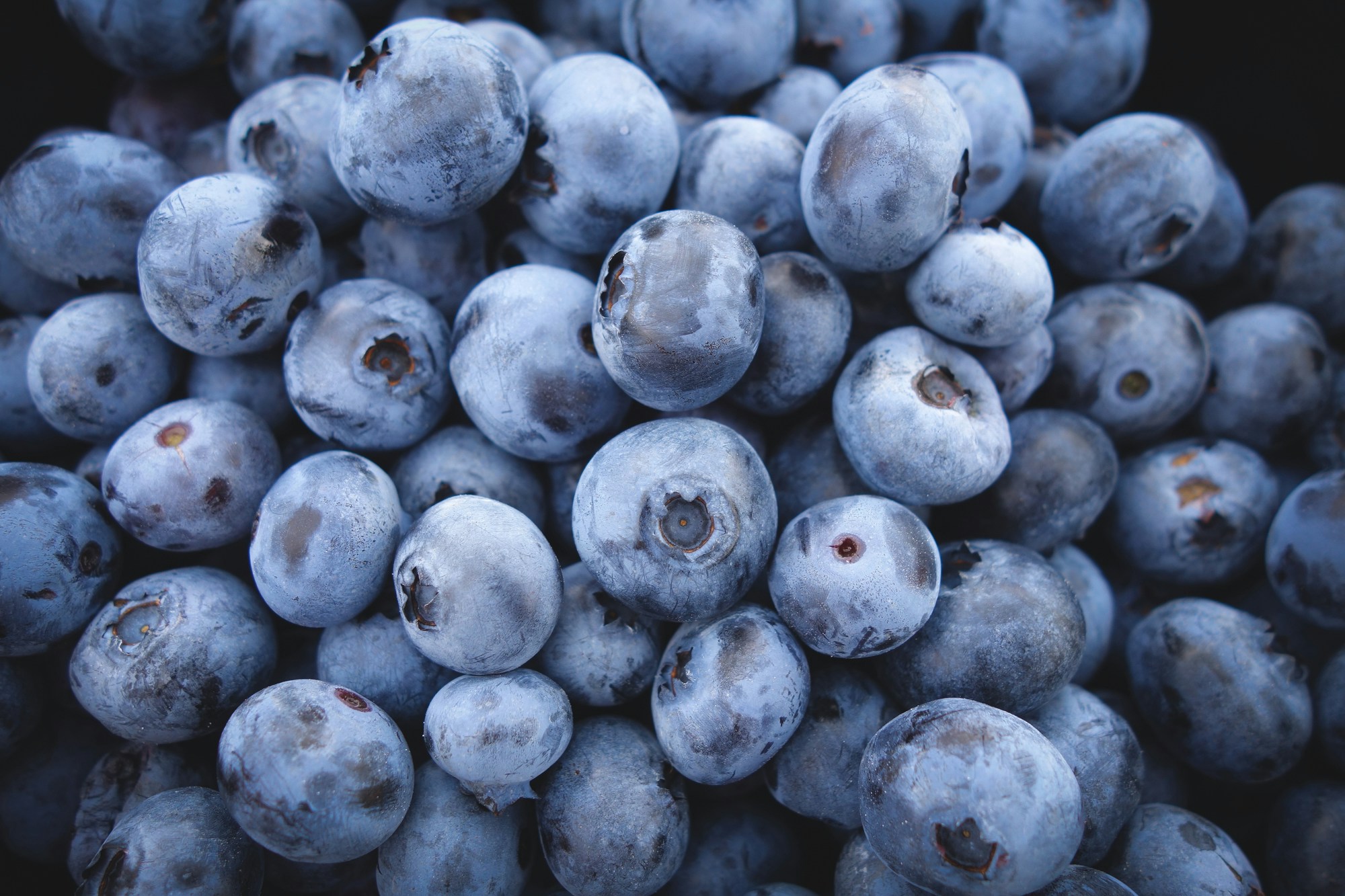
As they ripen, blueberries take on color in proportion to their anthocyanin content. Every 100 g of fresh blueberries contains between 400 and 500 mg of anthocyanins, far more than many other plants (e.g., cherries and grapes contain around 100 mg per 100 g).
So, in theory, you might think that blueberries really are “anti-ageing”.
But it's not that simple!
The bioavailability of anthocyanins, once digested, is difficult to estimate and probably minimal. Throughout digestion, anthocyanins are converted into different compounds by the action of the microbiota and various metabolisms. Thus, there is no association linking the ingestion of anthocyanins with their beneficial effects on health.
Similarly, blueberry processing (jam, powder, freezing) and storage can have a variable influence on the antioxidant content of blueberries.
Blueberries and sancardiovascular tee
Various studies have noted improvements in cardiovascular profile and a reduced risk of type 2 diabetes when blueberries are consumed. However, in the majority of cases, it was the concentrated antioxidants extracted from the blueberries rather than the blueberries themselves. (1) These quantities are therefore very difficult to apply to the consumption of the fruit itself in our diet.
Blueberries and intestinal microbiota
Anthocyanins and other antioxidants, by definition, have protective health benefits. Certain catabolites of these substances appear to interact with the intestinal microbiota, provoking responses anti-inflammatories which can even modify components of the intestinal microbiota. (1) In addition, polyphenols are considered to be prebiotics for the microbiota. They are therefore invaluable allies.
Blueberries and immune system
In addition to flavonoids, blueberries contain a so-called «anti-aging» molecule from the resveratrol group, pterostilbenes.
Pterostilbenes are polyphenols that :
- Acts against pathogens (undesirable bacteria and fungi);
- Are powerful antioxidants;
- Have anti-inflammatory and anti-tumor effects; a potential candidate in the prevention of several cancers, hence its interest in cell «anti-aging» (2).
Blueberries against aging
Studies suggest that blueberries' high polyphenol content makes them a powerful antioxidant that reduces oxidative stress and inflammation, thus protecting the environment. neural and cognitive functions. (4)
Studies on rodents have noted an improvement in cognition following ingestion of pterostilbene extracted from blueberries. No human studies have yet been adequately conducted to draw any conclusions.
Careful, not so fast!
The optimal adult dose for anti-aging benefits is virtually impossible to achieve via food, and even then, the bioavailability of this polyphenol is difficult to determine, as are its practical effects.
So, eating blueberries to avoid aging is far from enough, but it can contribute to your overall health, certainly and that of your gut microbiota. Blueberries, like other plants, are beneficial to health on many levels.
In addition to being nutritious, blueberries are simply delicious!
That's why we want blueberries in our diet!
- Source of vitamin C (antioxidant)
- Great power antioxidant (rich in polyphenols)
- Low in FODMAP
What should we bear in mind about its anti-ageing potential alone?
Various studies have illustrated the benefits of anthocyanins in blueberries. However, the clear correlation between blueberry anthocyanins and health benefits has been established. absent. (3)
In fact, blueberries are composed of a variety of molecules (hundreds), many of which have never been discovered before. There are therefore a multitude of possible interactions between the various blueberry compounds and molecules. Isolating only anthocyanins or a few other known phenolic compounds from blueberries to attribute these benefits is, it seems, a reductionist view to date. Similarly, different interactions occur in the intestinal microbiota when plants are consumed, which are still difficult to define. (1)
We must also remember that any sensationalist claims or discoveries require a closer look. It's important to always remain critical when it's too good to be true!
Recipes for cooking blueberries?
Check out this blog post!
References
(1) Kalt, W., Cassidy, A., Howard, L. R., Krikorian, R., Stull, A. J., Tremblay, F., & Zamora-Ros, R. (2020). Recent Research on the Health Benefits of Blueberries and Their Anthocyanins. Advances in nutrition (Bethesda, Md.), 11(2), 224-236. https://doi.org/10.1093/advances/nmz065
( 2 ) Guo, C., Sinnott, B., Niu, B., Lowry, M. B., Fantacone, M. L., & Gombart, A. F. (2014). Synergistic induction of human cathelicidin antimicrobial peptide gene expression by vitamin D and stilbenoids. Molecular nutrition & food research, 58(3), 528-536. https://doi.org/10.1002/mnfr.201300266
( 3 ) Cherniack E. P. (2012). A berry thought-provoking idea: the potential role of plant polyphenols in the treatment of age-related cognitive disorders. The British journal of nutrition, 108(5), 794-800. https://doi.org/10.1017/S0007114512000669
( 4 ) Shukitt-Hale B. (2012). Blueberries and neuronal aging. Gerontology, 58(6), 518-523. https://doi.org/10.1159/000341101
 French
  English