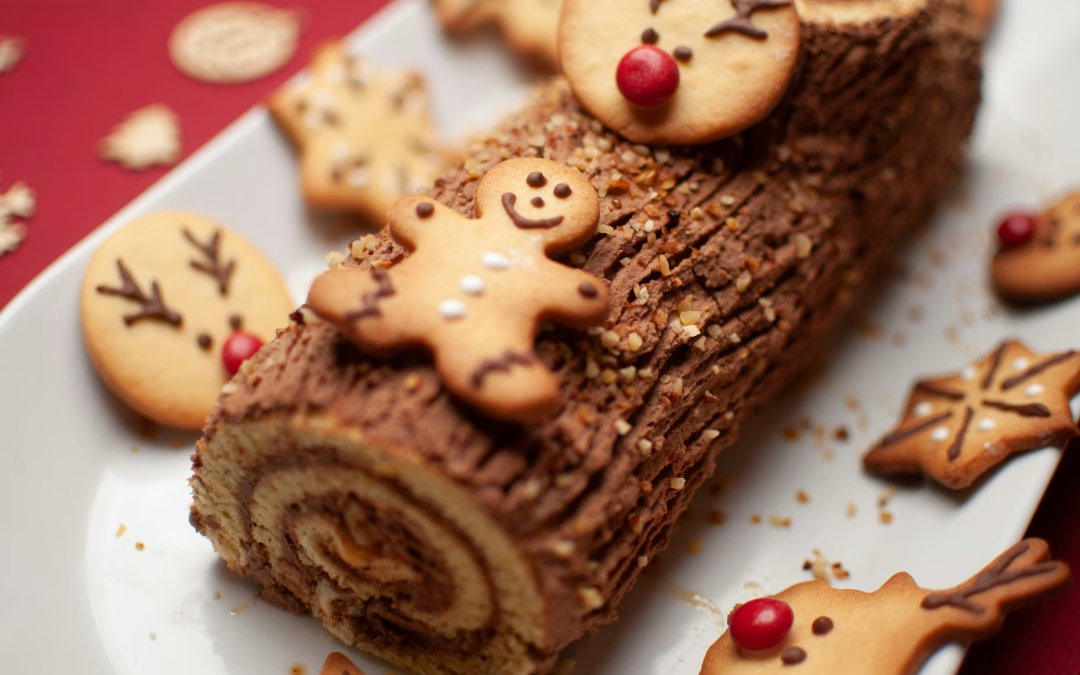
This blog post will help you manage digestive symptoms associated with this time of year! It will also help undo some myths on the weight management during the festivities!
It's a good idea to skip breakfast or lunch on days when a larger supper is planned.
Myth
Skipping meals is not a good idea. On the contrary, you risk being very hungry at dinnertime. You risk eating quickly, being less attuned to your body and probably exceeding your sense of satiety (fullness).
Visit digestive symptoms (bloating, swelling, stomach aches) are also likely to be accentuated by poor chewing (eating quickly), larger portions caused by intense hunger, and the presence of foods likely to cause symptoms (e.g. alcohol, fatty foods, added sugars). Eating beyond the point of satiety can also promote bloating, particularly among those with a irritable bowel syndrome (IBS, often called irritable bowel syndrome).
We don't pay attention before the holidays. It's useless. We'll pick ourselves up in January.
Myth
It's important to aim for healthy choices all year round. Particularly in autumn, with fewer hours of sunshine and less fresh vegetables and fruit, it's essential to maintain a healthy lifestyle to keep up your daily energy and digestive health. We also want to be in shape for the holiday season and not arrive exhausted before the festivities.
It's always important to be aware of what you eat, and to pay attention to the quality and quantity of the food you eat. The consumption of «pleasure» foods always has its place, whether during the holiday season or not.
Gaining 10 lbs during the holiday season is inevitable.
Myth
Many people worry about weight gain during the holiday season. There are many social events, bigger meals and different eating routines. Gaps or «pleasure» foods are also more prevalent.
Gaining 1 or 2 pounds during the holiday season is possible, but you have to be realistic! To gain 1 lb, we estimate that you need to consume 3500 kcal. more basic needs. Although we eat a little more than we need to during this period, it's unlikely to lead to a 10 lb gain!
What's more, be afraid to gain weight can be detrimental. The more you restrict yourself, the more likely you are to overindulge in «pleasure» foods. It's healthier and more balanced to allow yourself occasional pleasures while listening to your hunger and satiety signals. That way, there's no sense of urgency or loss of control with these foods!
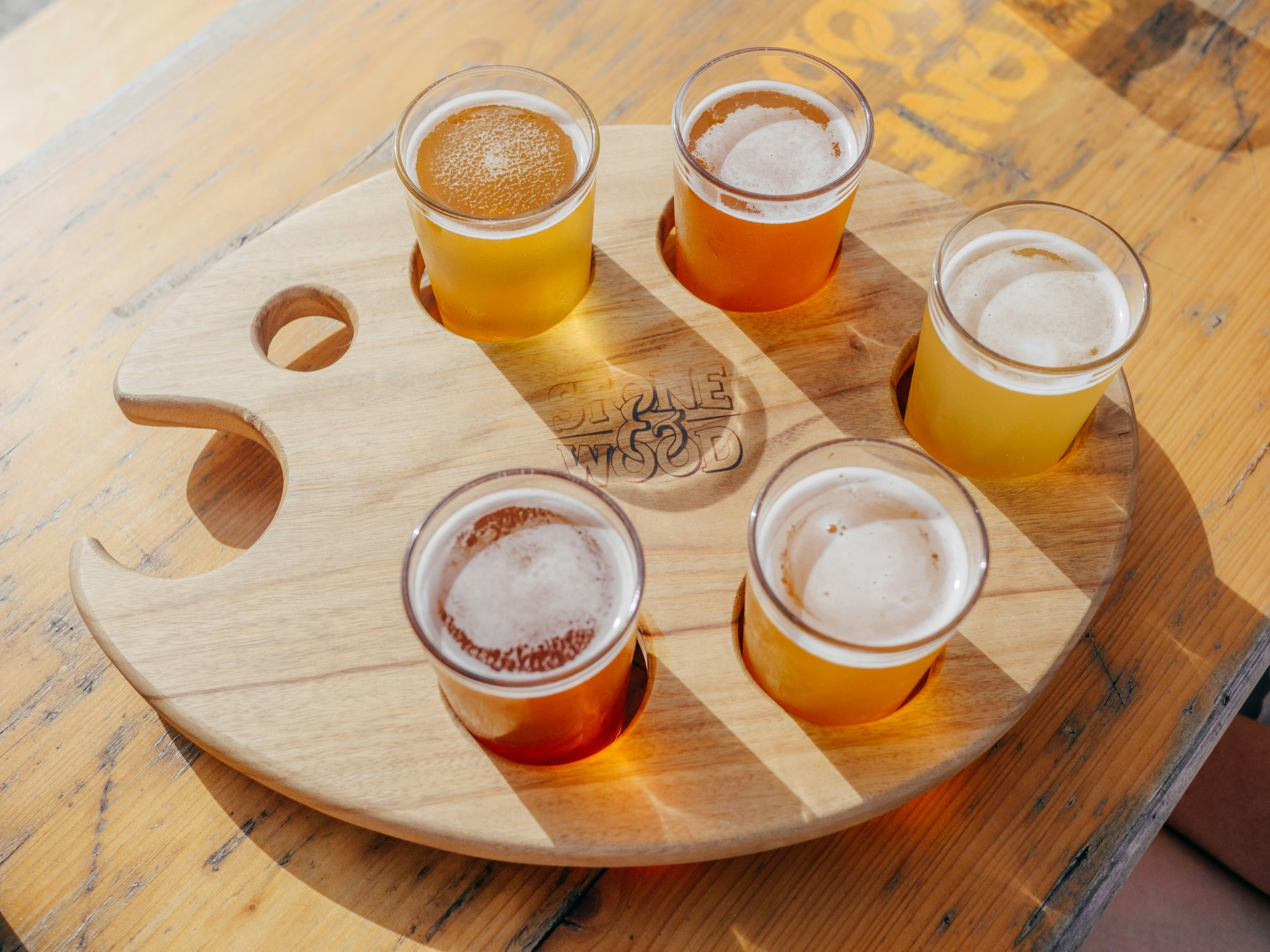
Beer has more calories than wine.
Reality
A quick reminder: 1 g of alcohol, whatever its origin, provides 7 kcal. The percentage of alcohol in a product therefore influences calorie intake.
However, beer is richer in sugars and therefore has more calories than wine.
However, it is advisable to moderate alcohol consumption, particularly for people with digestive disorders such as reflux. Read the blog Alcohol and digestion for more details.

Eating late at night makes you fat.
Myth
This is a widespread myth. The timing of food consumption has no direct impact on weight gain. In fact, metabolism doesn't stop at the end of the day to turn anything eaten in the evening into fat! The reality is that foods eaten late are often taken in the absence of hunger, hence the famous snacking!
So pay attention to heavy meals eaten late in the evening, and listen carefully to your hunger and satiety (fullness) signals.
For digestive problems, meals eaten close to bedtime (less than 2 to 3 hours before) containing alcohol and fatty or sugary foods are more likely to trigger reflux and bloating. Make adjustments if you want to sleep well!
A post-holiday detox to eliminate excesses and toxins is a good idea.
Myth
The body doesn't need to be «detoxified» by a detox cure. The products that make this claim are useless and even dangerous! The body is capable of eliminating toxins on its own. This is one of the main functions of the liver. An accumulation of toxins would be very dangerous and could cause death.
The best way to maintain good digestive and general health is to eat well and be active every day. In short, adopt healthy habits lifestyle! After the holiday break, you'll naturally want to get back to your usual routine of healthy habits.
Aiming for small meals after large ones is a good idea to reduce the effect of overindulgence.
Myth
The body really is well designed! If you've eaten a little more than you need (beyond your satiation) at one meal, you'll naturally feel less hungry at subsequent meals. There's no need to voluntarily «deprive» yourself to «compensate» for heavy meals. Make sure you eat 3 balanced meals including a source of protein to avoid cravings during the day or evening.
In brief, The holiday season doesn't have to be dreaded for digestive symptoms or weight gain. Instead, enjoy time with loved ones and get outdoors. Enjoy the «special» meals of this time of year! Stay tuned to your hunger and satiety! Have a great party and happy holidays!
 French
  English