
Some people report digestive discomforts such as stomach aches, bloating or diarrhea when consuming alcohol!
But what does science have to say about the effect of alcohol on these digestive symptoms?
Alcohol and digestive symptoms
- Many people have noticed that alcohol provokes urgent bowel movements even after moderate consumption. This is hardly surprising: alcohol acts as a irritant and speeds up intestinal transit (1)! What's more, alcohol is a toxin that the body seeks to eliminate quickly.
- Alcohol can also promote gastroesophageal reflux disease (GERD) or heartburn, because it stimulates gastric acid secretion and weakens the lower esophageal sphincter, increasing the risk of reflux (1).
- Increased blood alcohol levels reduce the production of pepsin, an enzyme essential for food digestion (4). A decrease in pepsin can slow down the digestion, fermentation of foodstuffs, which can lead to gas and bloating. This reduction can also irritate the intestinal walls and lead to diarrhea (4).
New recommendations on alcohol consumption
Since 2023, the Canadian Centre on Substance Use and Addiction (2) has issued a new report on alcohol-related risks. According to this report, health risks increase moderately with weekly consumption of 3 to 6 glasses. This underlines the importance of reducing consumption to preserve overall health.
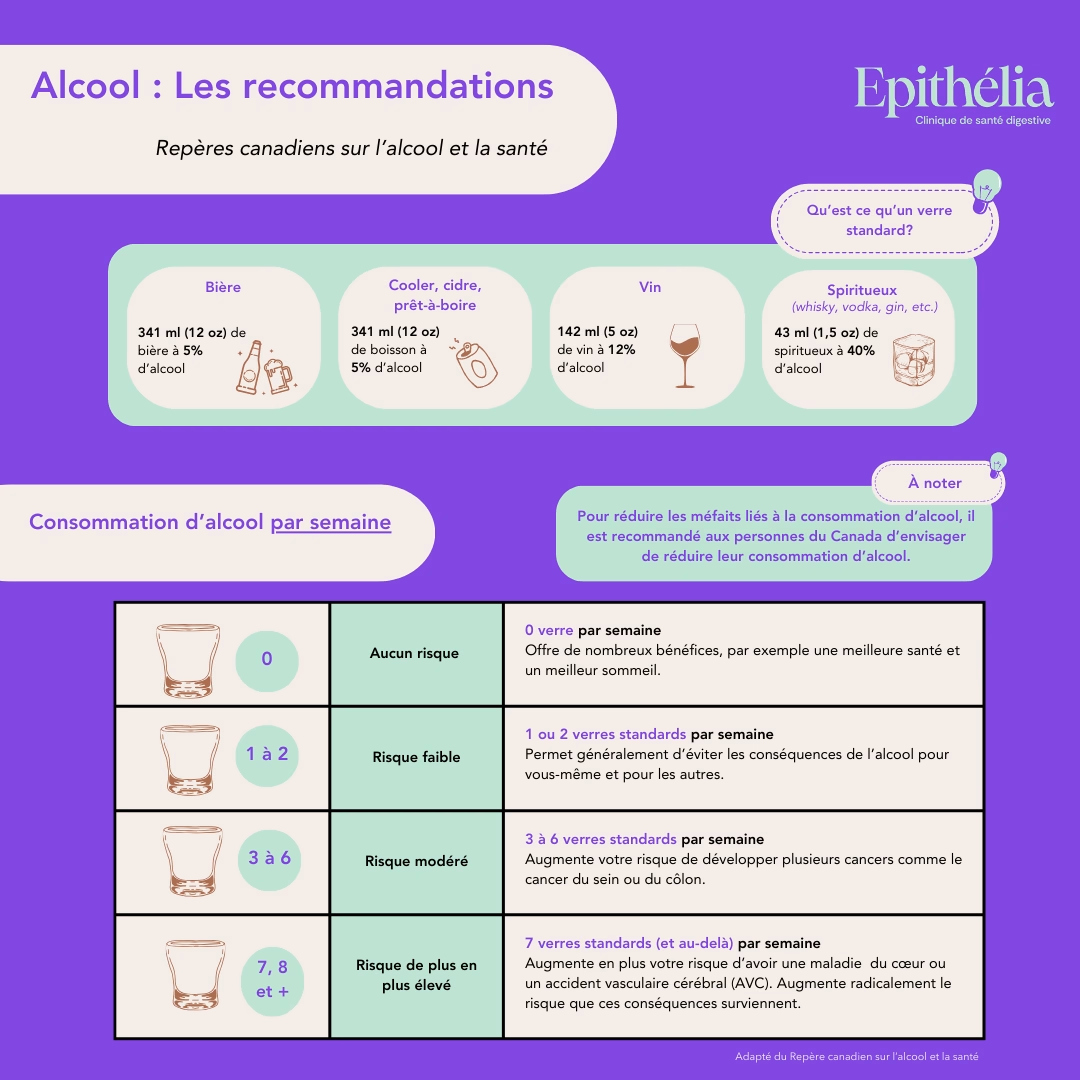
Reference: Canadian Centre on Substance Use and Addiction (2023) (2)
Gut microbiota and alcohol
In addition to digestive symptoms, alcohol affects the intestinal microbiota.
A mass consumption has been associated with (5)(6):
- Altered intestinal microbiota (dysbiosis) and bacterial overgrowth
- Inflammatory processes
- ↓ Bacteroidetes, Firmicutes
- ↑ Proteobacteria, Enterococacceae, Streptococcaceae
Studies report that the impact of alcohol on health is direct via the’ethanol and indirectly through involvement in the’altered microbiota (intestinal dysbiosis) (6). Alcohol-induced changes in the microbiota can contribute to increased intestinal permeability and hepatic (liver) inflammation (3).
Do all alcohols have the same impact on the microbiota?
The effects of alcohol vary by type consumed (5). Studies involving a small number of subjects have found favorable changes when red wine is consumed, thanks to the presence of polyphenols (5). In fact, polyphenols are considered prebiotics for intestinal bacteria!
In addition, moderate consumption of fermented beverages containing micro-organisms, bioactive compounds and small amounts of alcohol (e.g., fermented soy beverages) is a good way to reduce alcohol consumption. kombucha) can have potentially healthy effects on the microbiota (6).
Tips to reduce alcohol-related digestive symptoms
- Drink with food: less irritating for the stomach than drinking on an empty stomach. Be careful during happy hours!
- Reduce the amount of alcohol consumed and favor alcohol-free versions.
- Alternate between alcoholic and non-alcoholic beverages.
- Reduce your intake of added sugars (juice, syrup, soft drinks), which can also increase digestive symptoms such as bloating and gas.
- Beware of fizzy liquids (sparkling water, tonic), which can cause bloating in some people.
- Limit acidic additions (lemon, lime, orange and grapefruit juices), which already promote reflux in sensitive people.
- Drink water between drinks.
Mocktail recipes



In conclusion
- Alcohol can cause digestive symptoms in anyone, especially people with existing digestive disorders such as irritable bowel syndrome (IBS) (often called irritable bowel syndrome) or inflammatory bowel disease (IBD).
- Encourage moderate consumption to help reduce impact. Red wine and kombucha are preferred for their potentially beneficial effects.
- To understand the impact of alcohol and other foods on your digestive symptoms, consult a nutritionist for personalized advice on digestive health.
References
(1) Bode and Bode (1997) Alcohol's role in gastrointestinal tract disorders. Alcohol Health Res World 21( 1 ):76-83. PMID: 15706765; PMCID: PMC6826790.
(2) Canadian Centre on Substance Use and Addiction (2023) Public summary of Canadian Benchmarks on Alcohol and Health: drinking less is better (infographic), online, consulted November 2024, https://www.ccsa.ca/fr/resume-grand-public-des-reperes-canadiens-sur-lalcool-et-la-sante-boire-moins-cest-mieux.
(3) Cryan et al (2019) The Microbiota-Gut-Brain Axis. Physiol Rev Oct 1;99( 4 ):1877-2013.
(4) Éduc alcool. Alcohol and health. Alcohol and the human body. 2006.
(5) Engen et al. (2015) The Gastrointestinal Microbiome: Alcohol Effects on the Composition of Intestinal Microbiota. Alcohol Res 37( 2 ):223-36. PMID: 26695747; PMCID: PMC4590619.
(6) Nova et al. (2022) The Influence of Dietary Factors on the Gut Microbiota. Microorganisms Jul 7;10( 7 ):1368.
 French
  English