
Broccoli is a nutritionally and digestibly rich vegetable. Rich in various vitamins, minerals and antioxidants, it is also prebiotic.
Its high prebiotic content is one of the reasons why some people like it more or less for digestive discomforts...
Do you love broccoli, but can't digest it because of gas and bloating? Recognize yourself? Read on to find out more.
Broccoli and nutritional benefits
Don't let its green color fool you! Broccoli is rich in vitamin C and therefore an excellent source of antioxidants! One cup of broccoli alone provides 92 % of daily vitamin C requirements.
Cooking broccoli gives off strange smells in the kitchen? A sulphurous smell? In fact, broccoli contains antioxidant organosulfur compounds (sulforaphanes). Cooking activates the release of these sulfur compounds. Sulforaphanes have a potentially antioxidant effect, but can also be a source of digestive discomfort. Listen to your symptoms!
Rich in fiber, broccoli facilitates intestinal transit. It has a total fiber content of 1.1 g per 125 ml serving, with an almost equal distribution of soluble and insoluble fiber.
To learn more about fiber, check out this blog post:
As a bonus, this cruciferous vegetable is loved by intestinal bacteria for its richness in fermentable fibers. Considered as prebioticsThese fibers are fermented by intestinal bacteria, releasing beneficial metabolites as well as gas during digestion. We're talking here about fructose, a prebiotic in the FODMAP family. Fructose is a simple sugar that is rapidly fermented by intestinal bacteria. On the one hand, the production ofshort-chain fatty acids (SCFA) is beneficial for digestive health, but on the other hand, triggers intestinal discomfort in some people sensitive to it.
Broccoli, which part to eat?
For those sensitive to FODMAPIn this case, broccoli heads (the florets) are preferable. Be careful, however, as more than 75 g of broccoli heads and 45 g of broccoli stalks will ferment the polyols, producing unpleasant gases.
FODMAP... what is it? Read the blog post on the subject to learn more:
Is there a way to enjoy this cruciferous plant without suffering from gas and bloating? Yes, there is! Follow the guide 🙂
How to avoid broccoli gas?
- Choose the heads (florets) which contain less FODMAPs.
- Bleach it to break down its fibers and reduce its gas-generating effect.
- Grind it (soup, purée) to break down its fibers and make it more digestible.
Then take it one step at a time:
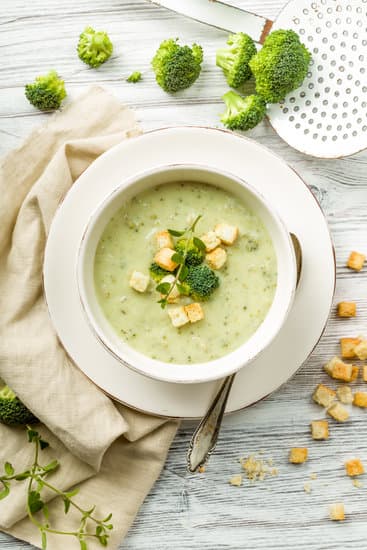
- Broccoli soup: very smooth consistency
- Broccoli purée: broccoli purée, mashed potatoes with broccoli
- Steamed broccoli
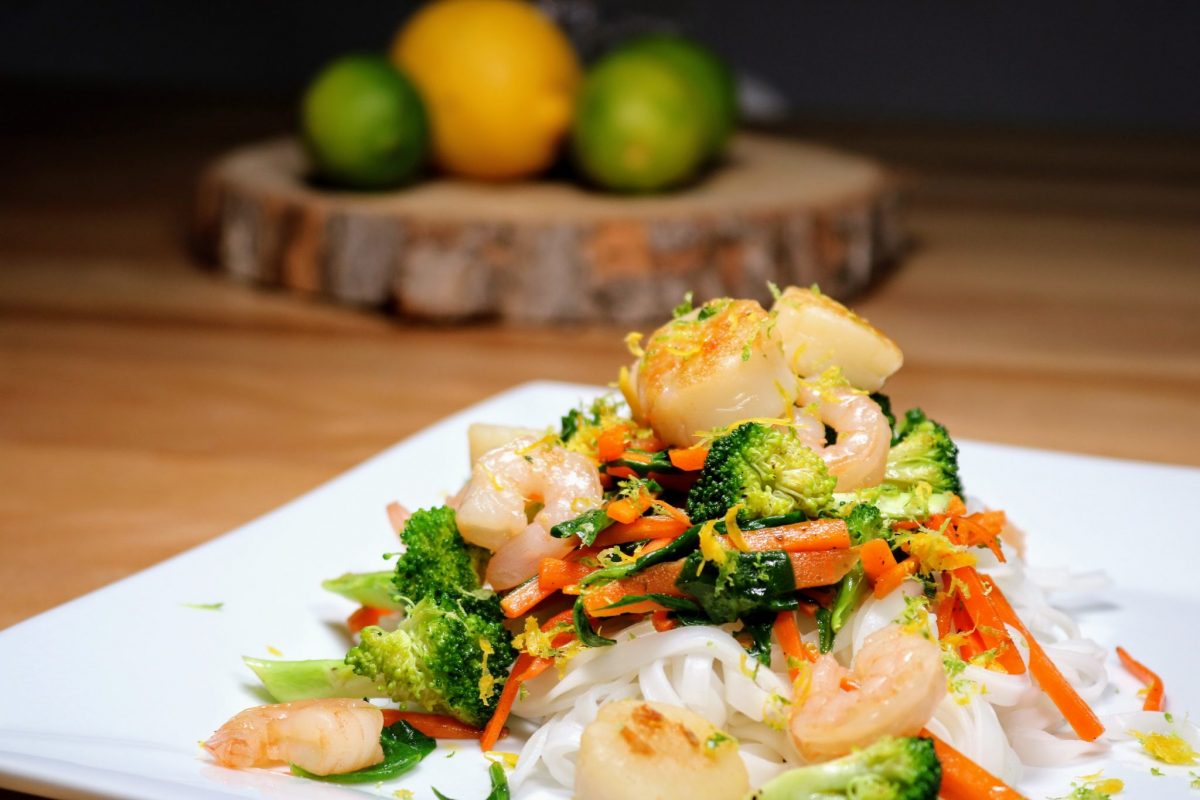
- Sautéed/grilled broccoli or air-fryer broccoli
- No-cook broccoli (raw) with a yogurt-lemon dip, as the acidity helps digestion
Respect your tolerance
Everyone's tolerance to cruciferous vegetables is different. Listen to your symptoms, take notes and adapt your intake. Limiting the combination of several fermentable foods in the same meal is also helpful.
Persistent bloating: what to do?
Broccoli or no broccoli, is gas, bloating and other discomforts giving you a hard time? Take a moment to read the blog post Tips 101 to relieve bloating for some tips and tricks to help relieve your symptoms.
It's possible to live a life without constant digestive discomfort. Make an appointment with one of our nutritionists!
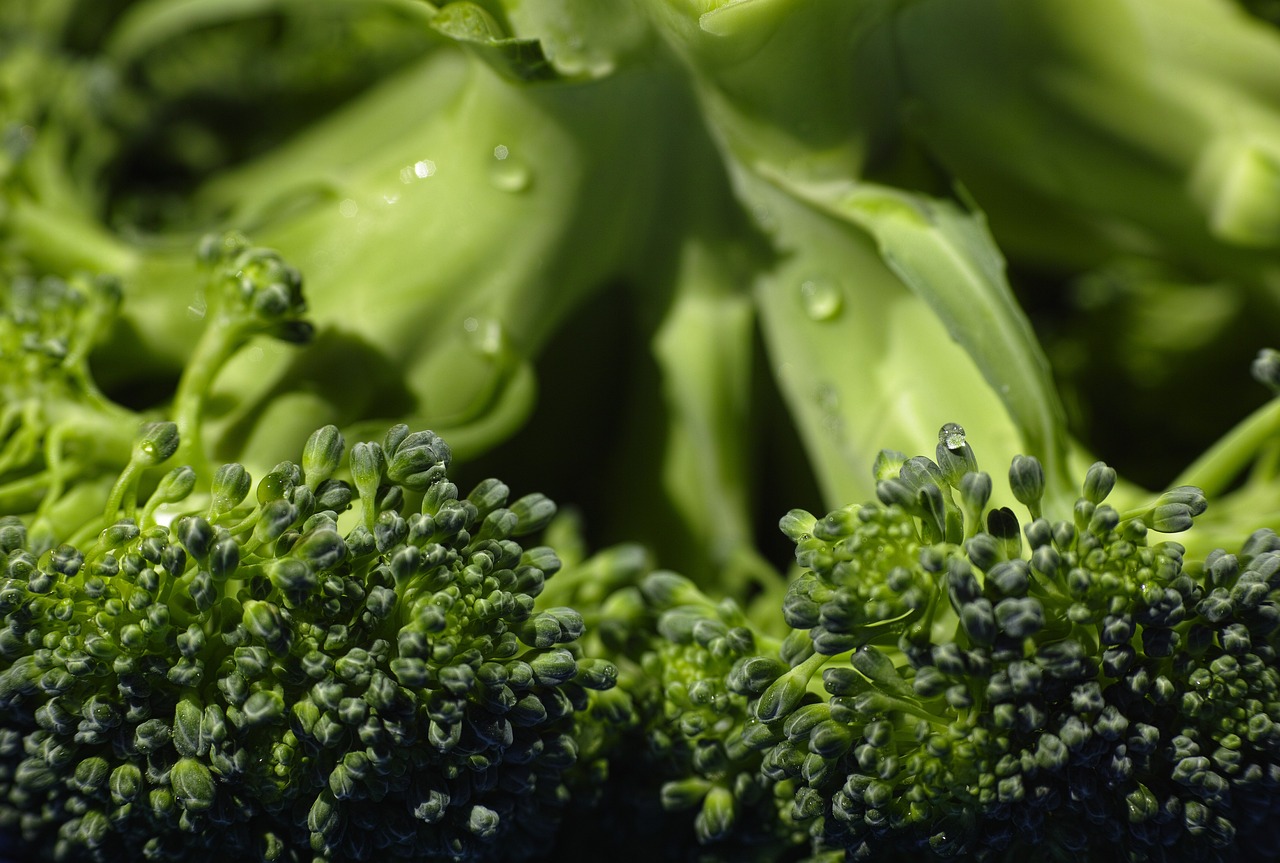
How to cook broccoli
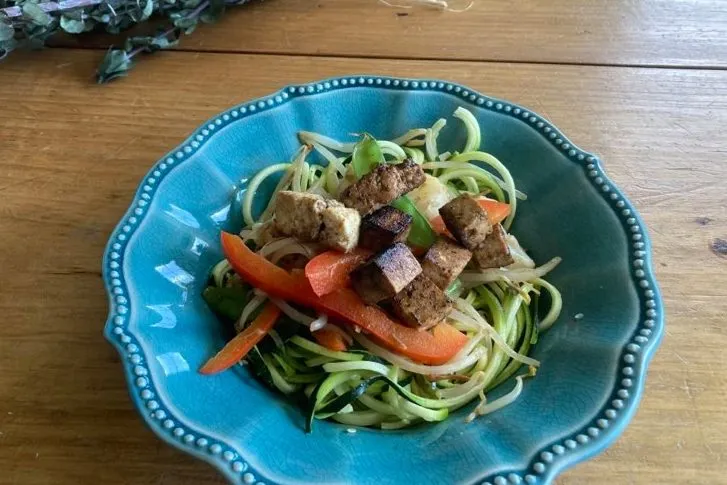
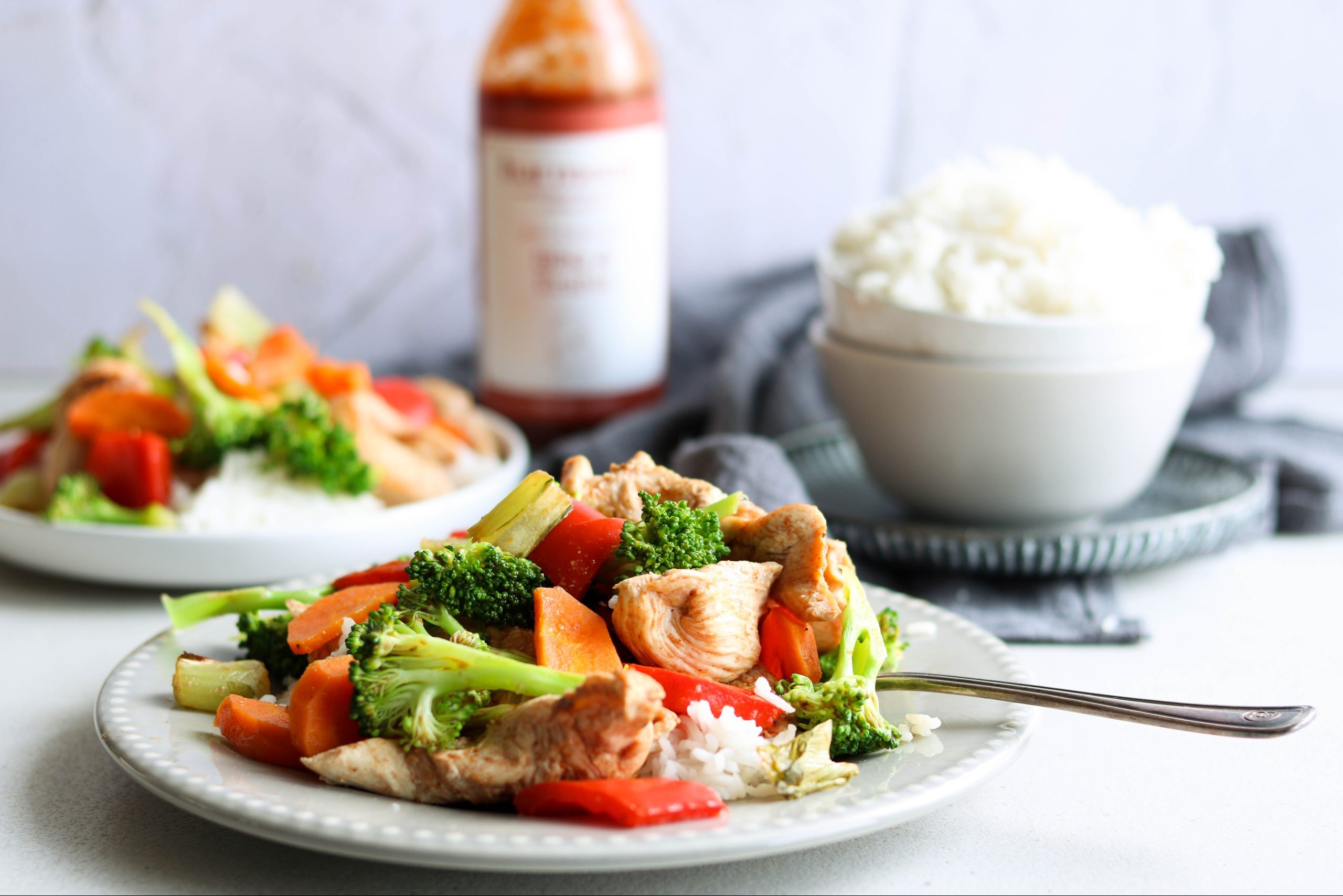
Take a look at these recipes featuring this cruciferous plant:


References :
- https://www.jaimefruitsetlegumes.ca/fr/aliments/brocoli/#:~:text=Portion%20et%20valeur%20nutritive&text=De%20nombreuses%20%C3%A9tudes%20scientifiques%20indiquent,concernant%20le%20cancer%20colo%2Drectal.
- Bélanger, M., LeBlanc, M. (2021). Nutrition: 5th edition. Published by Chenelière Éducation.
- https://aliments-nutrition.canada.ca/cnf-fce/report-rapport
- North Ottawa Wellness Foundation. (n.d.). Soluble & Insoluble Fiber Foods List. https://www.northottawawellnessfoundation.org/wp-content/uploads/2017/11/NOWF-Fiber-Content-of-Foods.pdf
- O'Grady J, O'Connor EM, Shanahan F. (2019). Review article: dietary fibre in the era of microbiome science. Aliment Pharmacol Ther, 49:506-515. https://doi.org/10.1111/apt.15129.
- Monash University. Low FODMAP diet: Discover the Monash University Low FODMAP Diet and manage your IBS symptoms (Online). https://www.monashfodmap.com/.
 French
  English