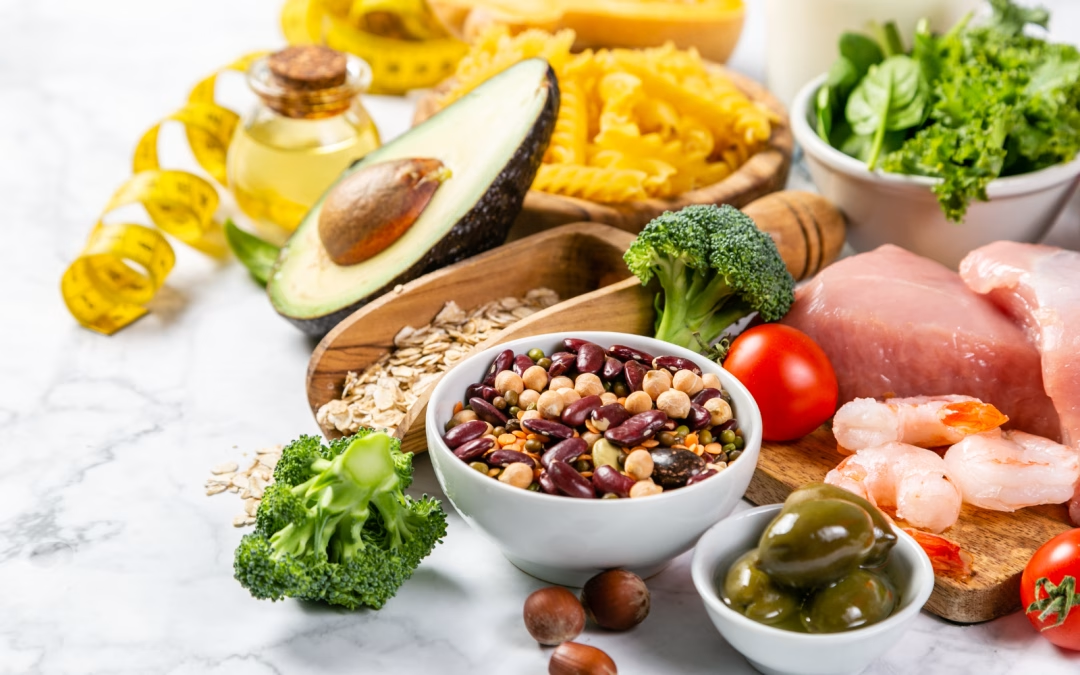
In a world where the impact of nutrition is increasingly recognized, the Mediterranean diet (aMéd) is attracting growing interest. But what are its effects on intestinal microbiota and the digestive health ?
Here's a series of blogs exploring three diets and their impact on the gut microbiota. This one focuses on’Mediterranean diet (aMéd).
The other two deal with fasting and the ketogenic diet:
It should be noted that the reasons for adhering to this type of diet, such as its effects on diabetes and weight loss, are not covered in these blogs. However, a medical conference on the subject is available. Contact us if you're interested.
What is the Mediterranean diet (aMéd)?
- Characteristic of this part of the world
- Favors: vegetables, fruits, nuts, seeds, olive oil*, whole grains, fish, poultry (4)(5)(8)
- Limit: red and processed meats, processed foods (5)(8)
Did you know that?
In an aMed intervention study, participants consumed 60 ml (¼ t) of olive oil per day (3)! So don't hesitate to add some to your meals!
Mediterranean food pyramid
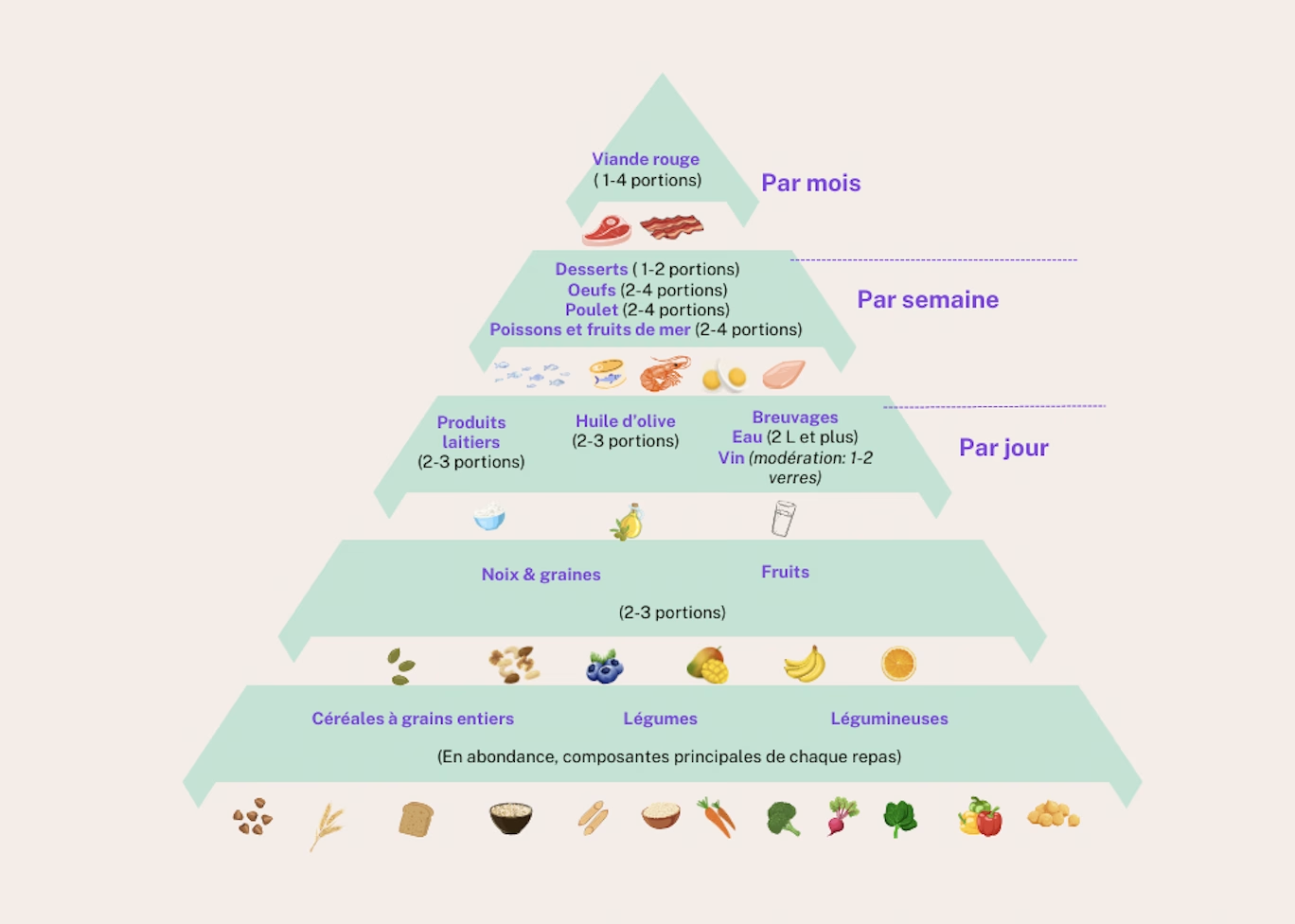
Adapted from Plaz Torres et al (2019) (7)
Impact of Mediterranean diet on intestinal microbiota
Several intervention and observational studies report positive effects on gut health and microbiota.
Here are some recent study results:
Increased bacterial diversity and abundance (4)(5)(6)(8)(9)
Increase in beneficial bacteria: Bifidobacterium, Bacteroidetes, Bacteroides, Lactobacillus, Faecalibacterium, Prevotella, Firmicutes (1)(2)(4)(5)(6)(8)(9)
Increase in short-chain fatty acids (SCFAs Link to glossary) (1)(2)(5)(6)(9)
Reduction of potentially harmful bacteria: Escherichia coli, Ruminococcus (1)(2)(6)
Did you know that?
One two-year study even reported that aMéd could help restore certain intestinal bacteria and the dysbiosis present in adults with metabolic syndrome compared to a traditional diet (5)(9)! Impressive, isn't it?
Various possible mechanisms
Why does the Mediterranean diet have such an effect on the microbiota?
- Presence of beneficial nutritional elements: rich in unsaturated fatty acids and omega-3s, low in saturated fats, beneficial for intestinal bacteria (2)(6)(8)
- Diet rich in fiber and prebiotics: promotes colonic fermentation and SCFA synthesis. It also reduces intestinal permeability (4)(5)(6)(8).
- Reduced inflammation: several studies have reported a reduction in inflammatory markers when adhering to aMéd (1)(4)(8).
Limits of current research
- Small cohorts: some studies have fewer than 100 participants, which limits the overall conclusions (5)
- Heterogeneity of studies: differences in research protocols, study populations and aMed definitions (5)
In conclusion
- The Mediterranean diet is beneficial for a number of health conditions, including intestinal health. It promotes a healthy intestinal microbiota, important for digestive well-being.
- Benefits for the management of intestinal conditions such as irritable bowel syndrome (or irritable bowel) and inflammatory bowel disease (Crohn's disease, ulcerative colitis) have also been observed!
- A personalized nutritional support can help you put these recommendations into practice every day!
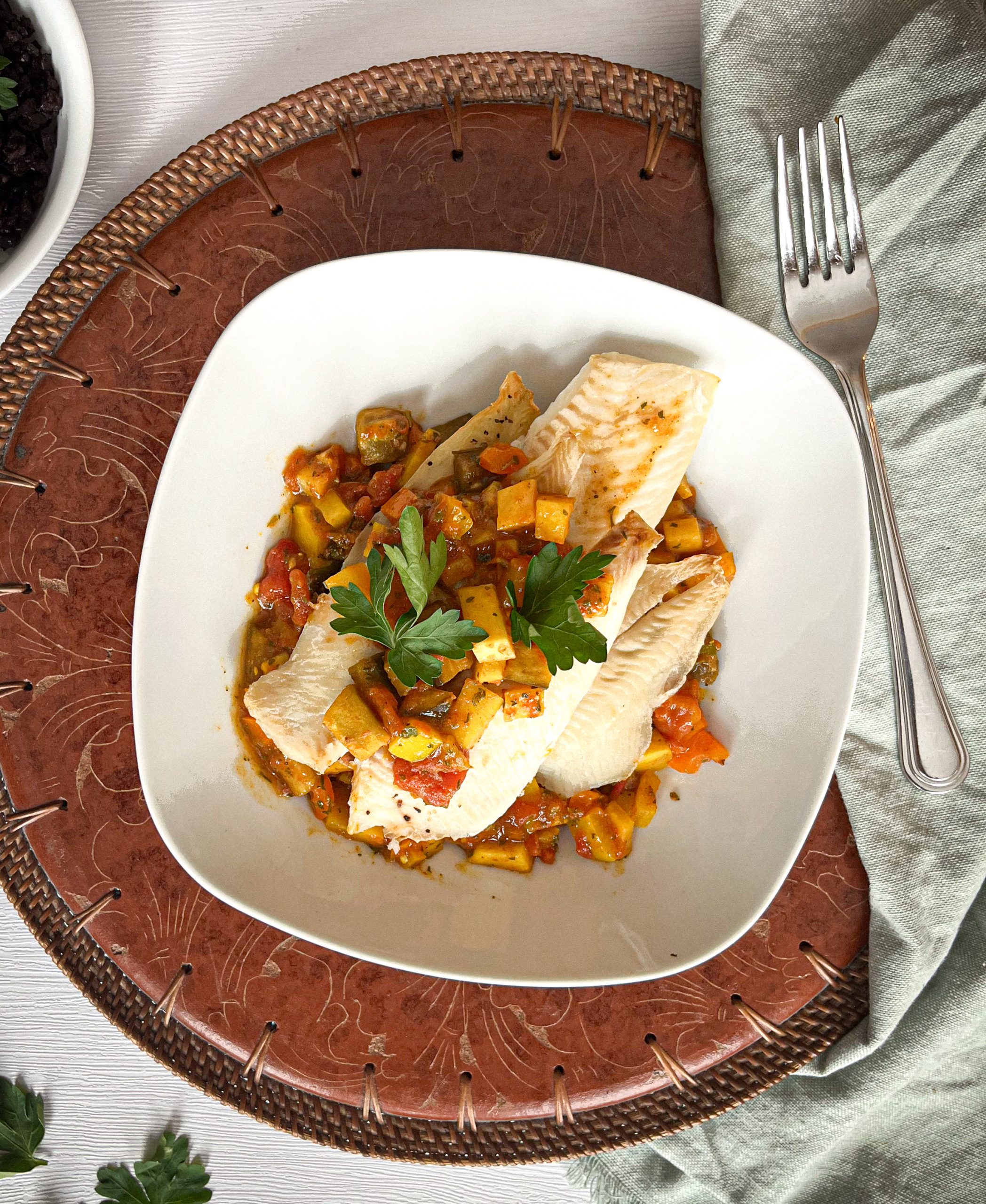
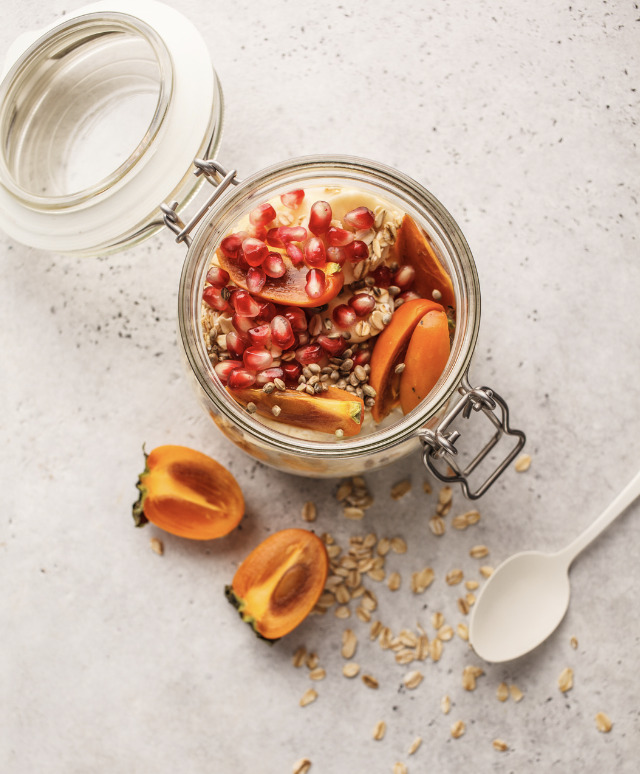
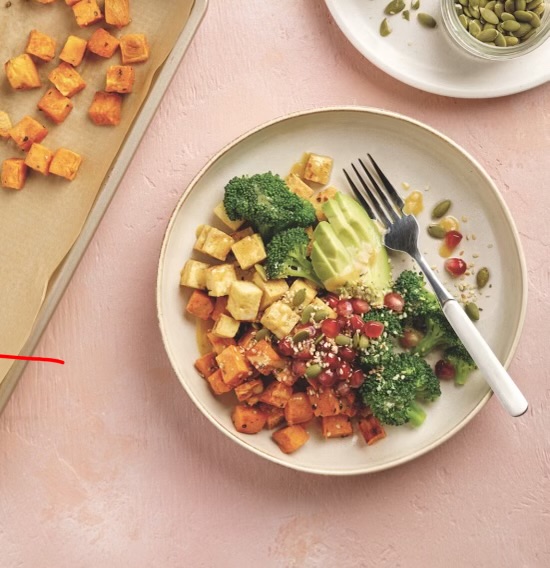
Recipe ideas targeting the Mediterranean diet:
References
(1) Beam et al. (2021) Effect of Diet and Dietary Components on the Composition of the Gut Microbiota. Nutrients Aug 15;13(8):2795. https://pubmed.ncbi.nlm.nih.gov/34444955/
(2) Borrego-Ruiz and Borrego (2024) Human gut microbiome, diet, and mental disorders. Int Microbiol Apr 1. https://pubmed.ncbi.nlm.nih.gov/38561477/
(3) Estruch et al. (2018) Primary Prevention of Cardiovascular Disease with a Mediterranean Diet Supplemented with Extra-Virgin Olive Oil or Nuts. N Engl J Med Jun 21;378(25):e34. https://pubmed.ncbi.nlm.nih.gov/29897866/
(4) Hairul Hisham et al (2024) Effects of non-pharmacological interventions on gut microbiota and intestinal permeability in older adults: A systematic review: Non-pharmacological interventions on gut microbiota/barrier. Arch Gerontol Geriatr Sep 16;128:105640. https://pubmed.ncbi.nlm.nih.gov/39305569/
(5) Khavandegar et al. (2024) Adherence to the Mediterranean diet can beneficially affect the gut microbiota composition: a systematic review. BMC Med Genomics Apr 17;17(1):91. https://pubmed.ncbi.nlm.nih.gov/38632620/
(6) Moszak et al. (2020) You Are What You Eat-The Relationship between Diet, Microbiota, and Metabolic Disorders-A Review. Nutrients Apr 15;12(4):1096. https://pubmed.ncbi.nlm.nih.gov/32326604/
(7) Plaz Torres et al (2019) Mediterranean Diet and NAFLD: What We Know and Questions That Still Need to Be Answered. Nutrients Dec 5;11(12):2971. https://pubmed.ncbi.nlm.nih.gov/31817398/
(8) Randeni et al. (2024) Comprehensive Review of the Triangular Relationship among Diet-Gut Microbiota-Inflammation. Int J Mol Sci Aug 29;25(17):9366. https://pubmed.ncbi.nlm.nih.gov/39273314/
(9) Rinninella et al (2023) The role of diet in shaping human gut microbiota. Best Pract Res Clin Gastroenterol Feb-Mar;62-63:101828. https://pubmed.ncbi.nlm.nih.gov/37094913/
 French
  English