Ultra-processed foods are ubiquitous, and often camouflaged behind marketing techniques that promote health via blinding health claims.
How can you recognize them and avoid falling into the trap?
A quick reminder about ultra-processed foods
Ultra-processed foods are products formulated by industry essentially from refined substances, extracted or derived from foods, and additives.
These include:
- Some breakfast cereals, flavoured oatmeal
- Some industrial breads, crackers, chips, salty snacks
- Cookies, candy bars, chocolate treats, cakes, candies
- Frozen meals (e.g. pizzas, croquettes, pasta)
- Sausages, cold cuts, instant soups
- Sweetened beverages (e.g. soft and energy drinks, fruit cocktails)
In short, ultra-processed foods are generally high in energy (calories), added sugars, sodium, saturated and trans fats, and contain many food additives. These added substances modify the food's characteristics (e.g. taste, color and palatability) and reduce its basic nutritional benefits.
To find out more about their effect on health, see the following articles following :
Practical tips for recognizing ultra-processed foods
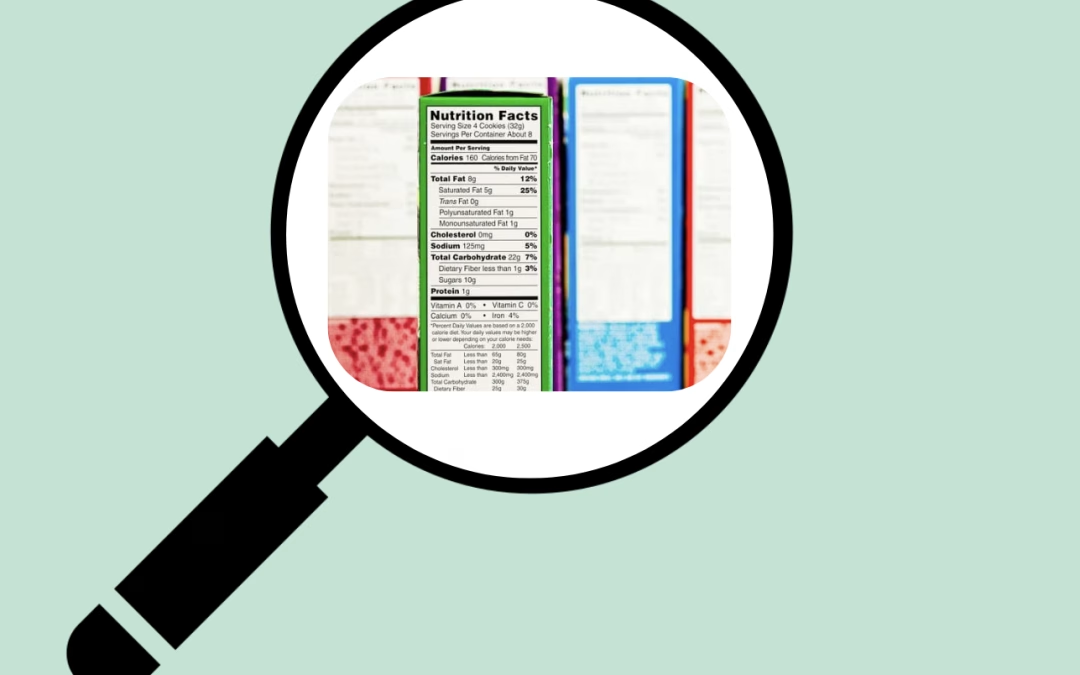
Golden rule: Read the ingredient list and the Nutrition Facts table.
1) They are usually found in the center's aisles and near the checkouts.
2) They are often attractive: very colorful packaging, sometimes directly targeted to a specific clientele (e.g. athletes, children) and several nutritional claims targeting a key element rather than the overall quality of the product.
3) They carry logos from the agri-food industry, i.e. logos that are not subject to any regulations. Some may be reliable, while others are simply marketing!
4) A very long list of ingredients with many incomprehensible and unfamiliar terms. However, there are foods on sale that contain a long list of ingredients, but whose ingredients are healthy and nutritious. Make the distinction!
5) The first ingredients are sugar, hydrogenated oil and refined cereal. In other words, the product appears to be made up of several food fragments with little nutritional value, rather than a single real food.
6) The Nutrition Facts table shows a content low in nutrients of interest (e.g. mono- and polyunsaturated fats, fiber, protein, vitamins and minerals), but high in saturated and trans fats, sugar and salt.
Solutions
Cook more! By cooking your own meals, you can ensure the quality of the food you eat.
Visit our website for a multitude of colourful and nutritious recipes or :
Purchase an annual subscription to enjoy exclusive recipes.




 French
  English