
Dietary fiber is often highlighted for its benefits on intestinal health, and rightly so! They play a key role in regulating intestinal transit, weight management and microbiota health.
But did you know that there are two main types of fibre: soluble and insoluble?
Soluble fibers
They dissolve in water to form a gel that slows digestion. This type of fiber helps regulate blood sugar levels and reduce cholesterol. You'll find it in foods like oats, legumes and certain fruits. (1)(4)
Insoluble fibers
They do not dissolve in water, increase stool volume and accelerate passage through the intestines. Essential for preventing constipation, they also help maintain a balanced microbiota (1)(4)
For optimum health, it's crucial to include both types of fiber in your daily diet. In fact, fiber promotes intestinal regularity and the synthesis of beneficial substances by intestinal bacteria such as short-chain fatty acids. (1)(3)(4)(5)
Daily fiber consumption is deficient in North America. In fact, according to Health Canada, fibre requirements have been set at 25 grams per day for women and 38 grams per day for men (6). Most Canadians consume only half this amount of fibre (2), and it is mainly insoluble fibre requirements that suffer.
Curious about your daily fibre intake? This free tool has been designed to give you that answer as a starting point for gradually increasing your fibre intake.
Here are a few food items to show you how simple and user-friendly this calculation process is.

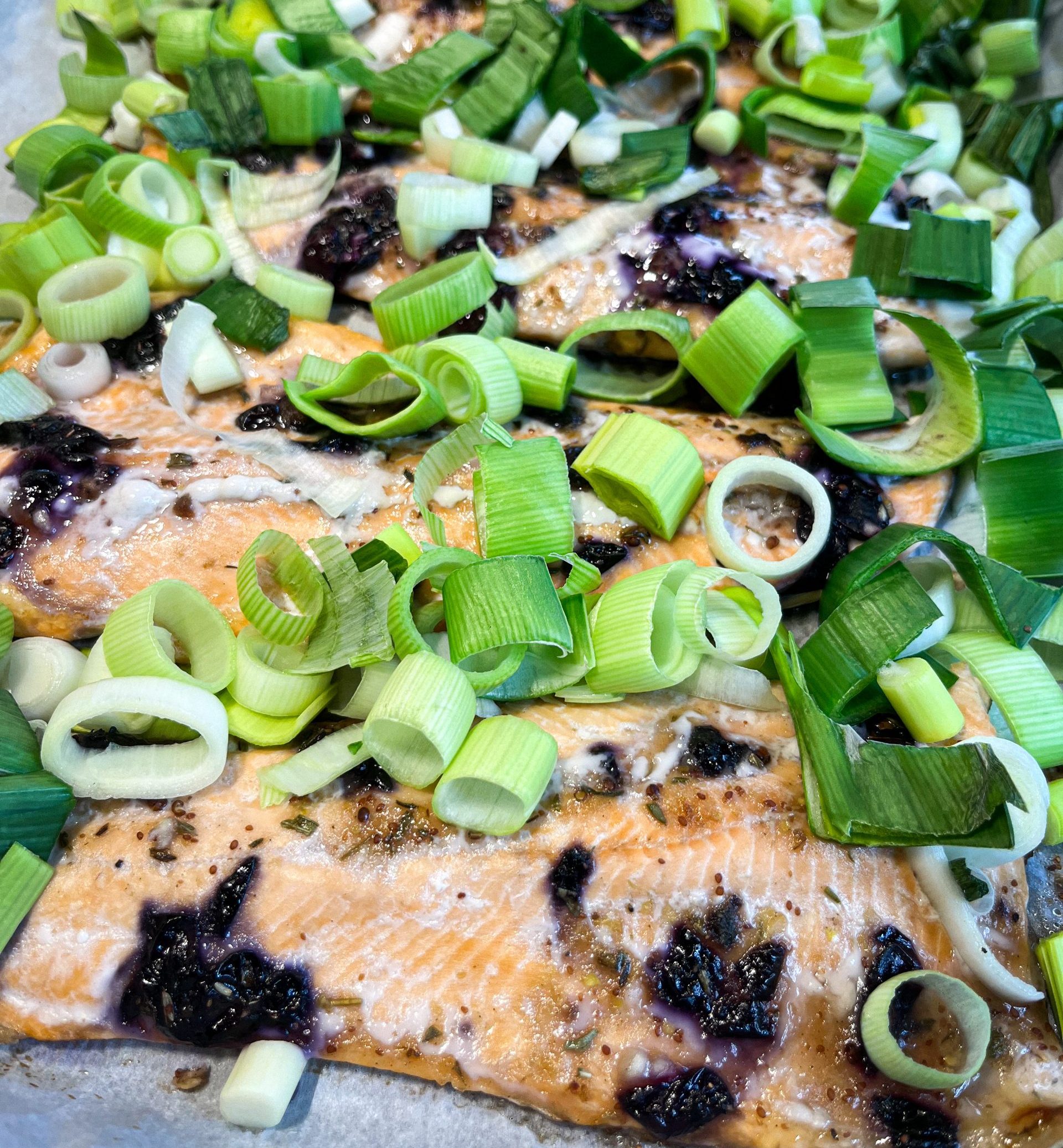
Wild blueberries
Overall health benefits
- Rich in antioxidants (anthocyanins, hence their blue color) that protect cells against oxidative damage and free radicals.
- Help reduce’inflammation and support heart health.
- Promotes good intestinal health thanks to its insoluble fiber content.
Fiber quantity
125 ml (1/2 cup) blueberries : 2 g total fibre, of which 1.6 g insoluble fiber.
Simple ways to integrate them
- Eat them fresh in season, with your cereals, oatmeal or yoghurt;
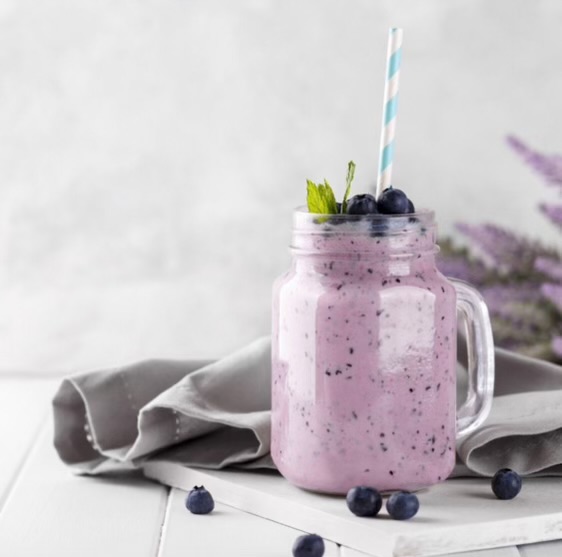
- Mix them into your smoothies;
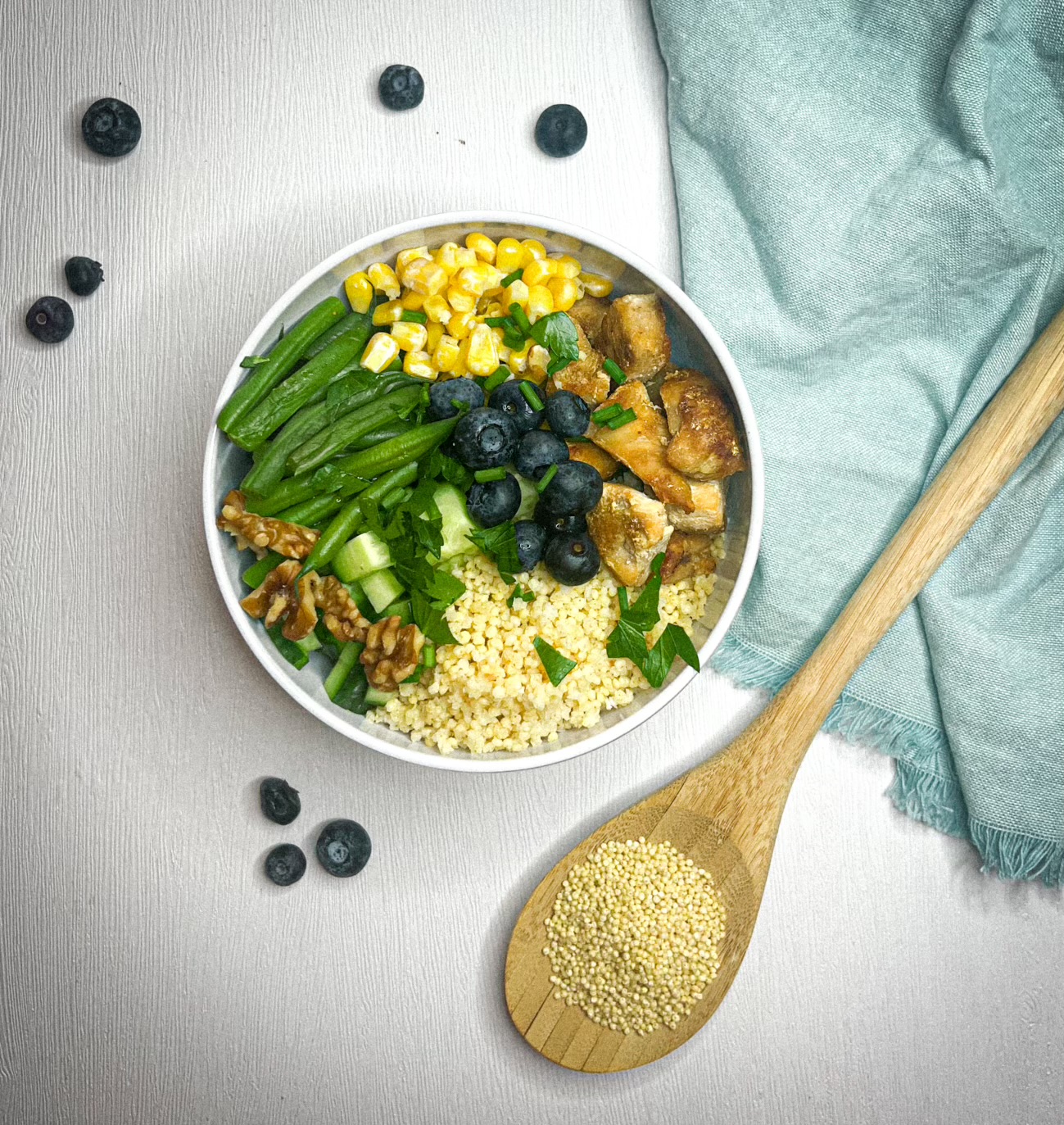
- Use as a garnish on pancakes or salads;
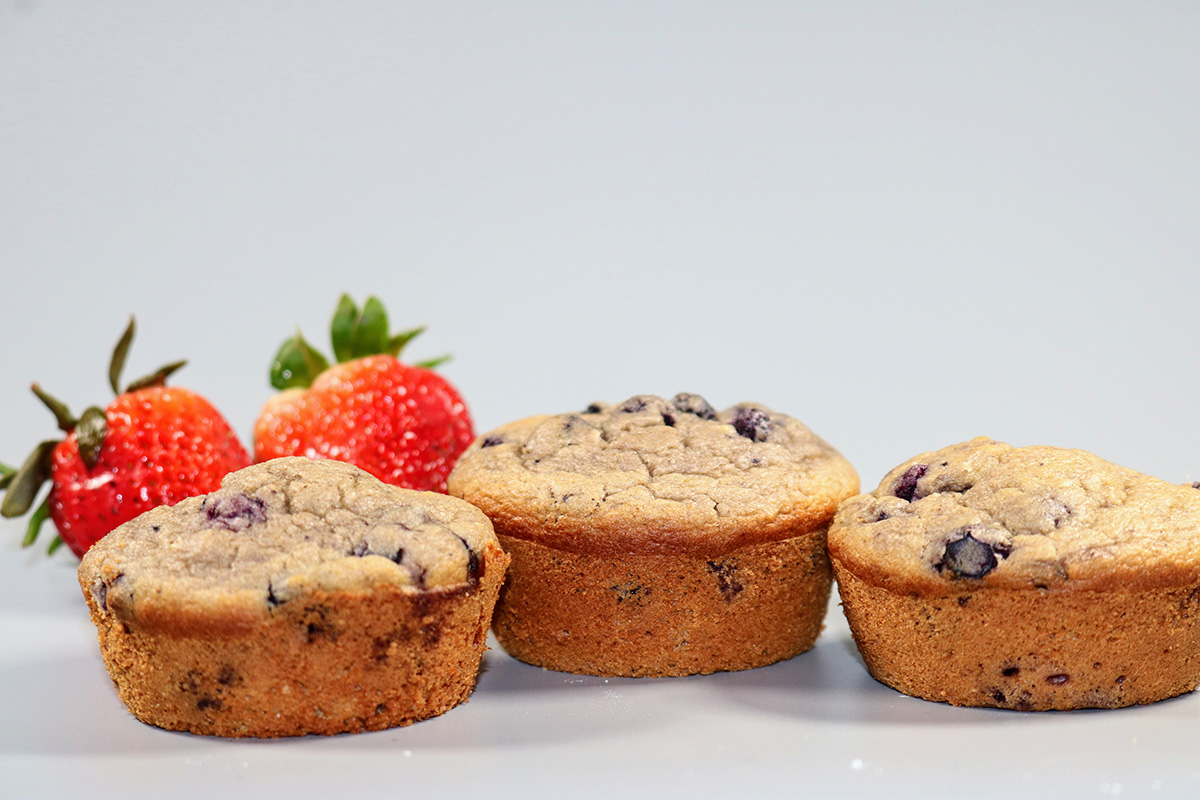
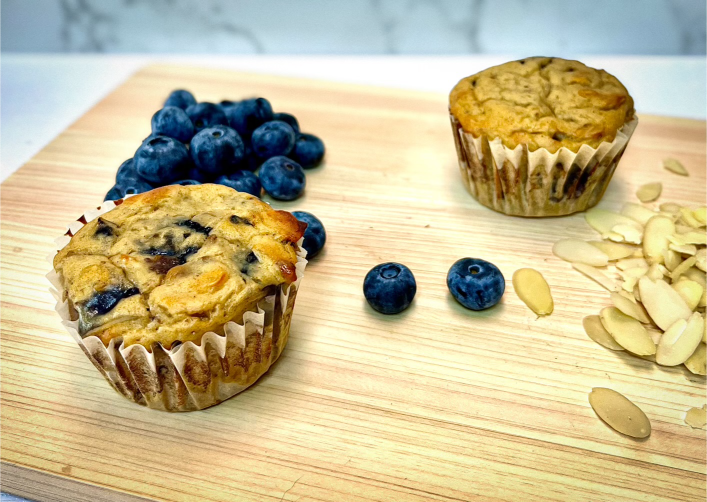
- Add them to your muffins;
- Use the powdered version for your energy balls.
Tips for easy digestion
- Consume them in small quantities if you're just starting your climb towards more fiber on a daily basis, up to ¾ cup a day or until digestive tolerance is reached;
- Wash them gently but carefully, and opt for organic wild blueberries to reduce pesticide exposure.
Our favourite recipes

Almonds
Overall health benefits
- Provide insoluble fiber for intestinal health.
- Rich in vitamin E, a cell-protecting antioxidant.
- Help reduce cholesterol and support cardiovascular health.
Fiber quantity
60 ml (1/4 t) roasted almonds : 3,8 g total fibre, of which 3.2 g insoluble fibre.
Simple ways to integrate them
- Nibble them plain or toast them as a snack;
- Add chopped to salads, yoghurts or pastries;
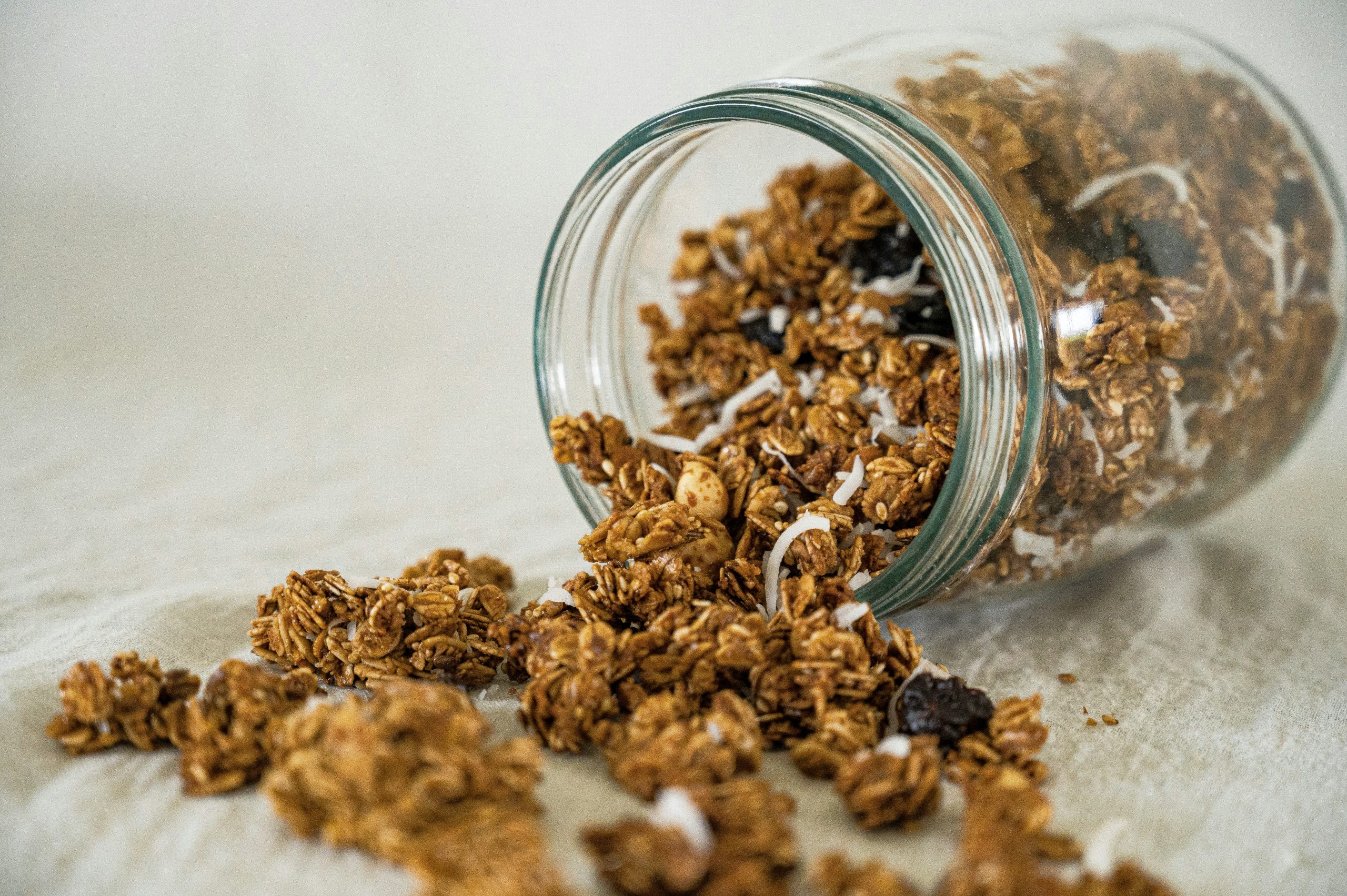
- Use them in recipes such as muffins or granola;
- Spread almond butter on toast or muffins.
Tips for easy digestion
- Soak the almonds in water for a few hours to soften them;
- Divide your intake into two parts of the day;
- Eat them as almond butter instead.
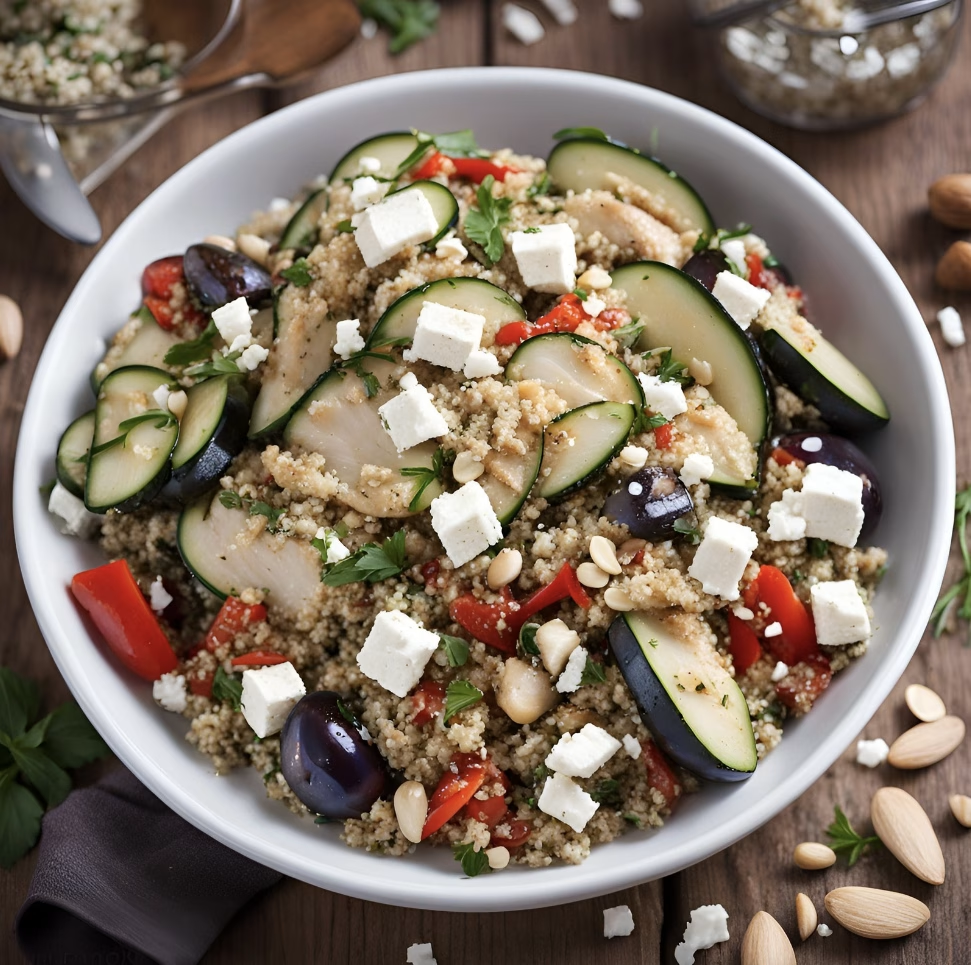
Our favourite recipes

Chickpeas
Overall health benefits
- Rich in insoluble fiber and vegetable protein.
- Help regulate glycemia thanks to their low glycemic index.
- Promotes intestinal health and satiety.
Fiber quantity
250 ml (1 t) canned chickpeas : 9,6 g total fibre, of which 6.7 g insoluble fiber.
Simple ways to integrate them
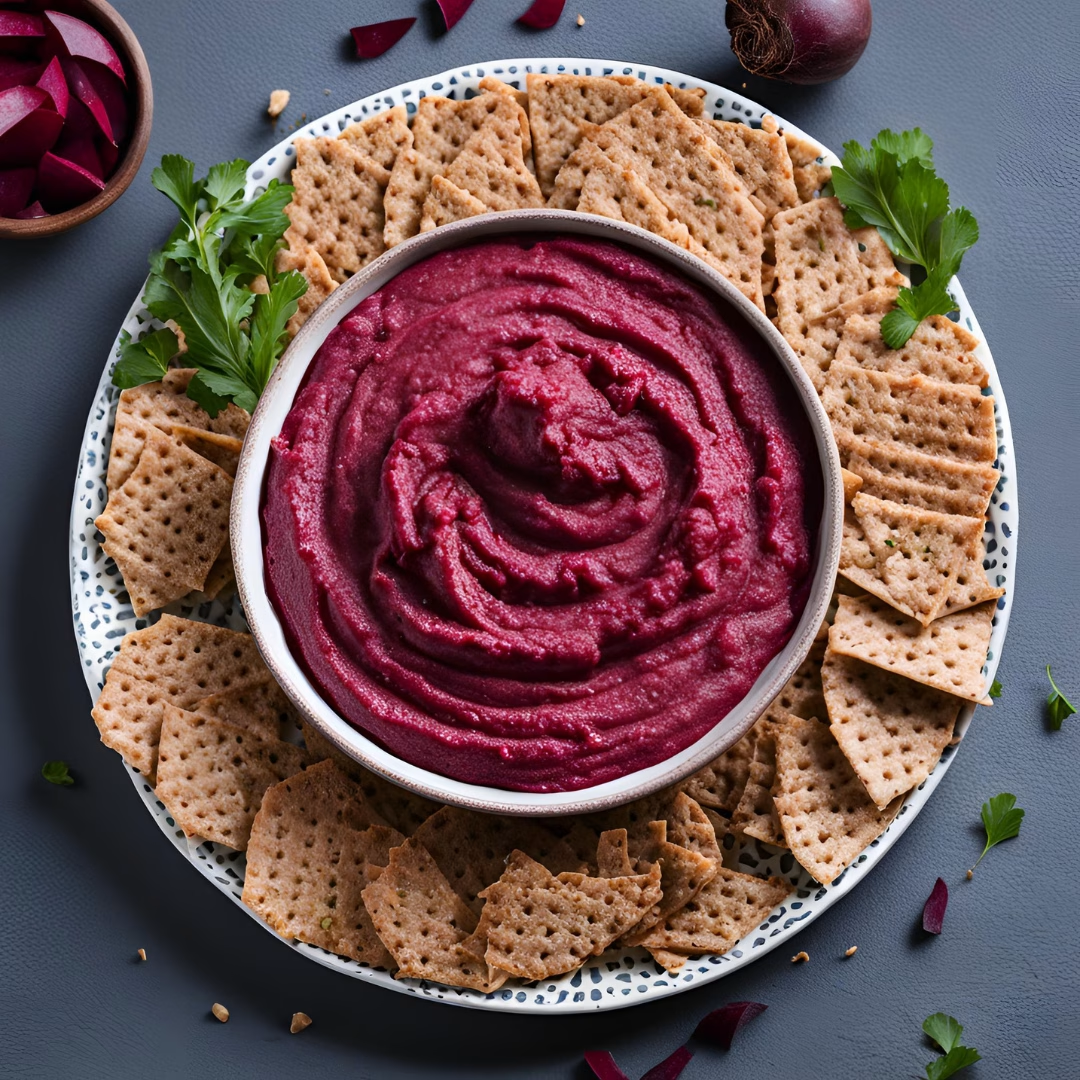
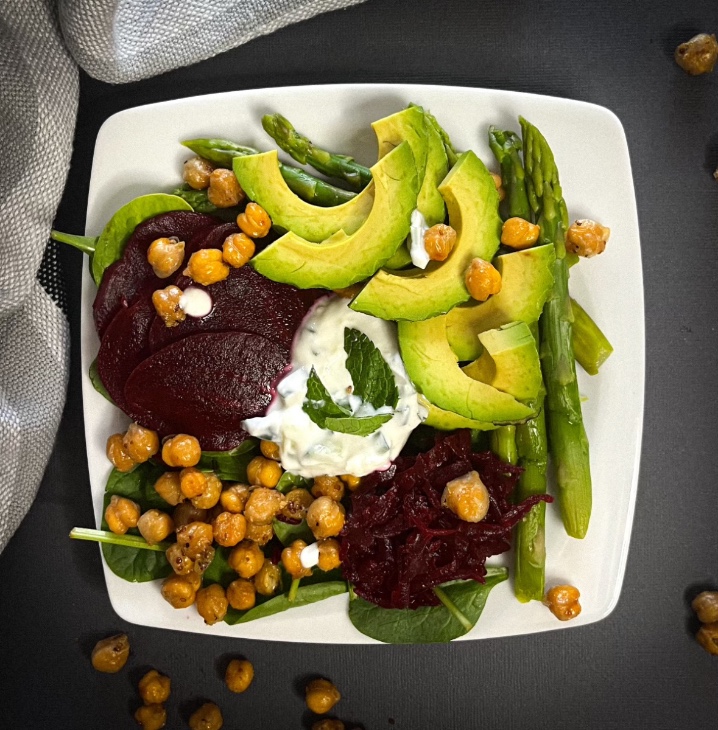
- Make your own homemade hummus;
- Add to salads and soups;
- Roast them for a crunchy snack.
Tips for easy digestion
- Rinse thoroughly to reduce the compounds responsible for bloating;
- Gradually increase meal quantities;
- Soak them before cooking to make them easier to digest;
- Pair them with vegetables whose fiber is softer and easier to digest, such as carrots, green beans and zucchini.
Our favourite recipes


Apples
Overall health benefits
- A source of insoluble and soluble fiber, they promote good digestion.
- Rich in antioxidants that support heart health and reduce inflammation.
- Help regulate blood sugar levels and provide a feeling of satiety.
Fiber quantity
1 medium apple with peel : 3,5 g total fibre, of which 2.3 g insoluble fiber.
Simple ways to integrate them
- Eat them whole as a snack;
- Slice them to add to salads or dishes;
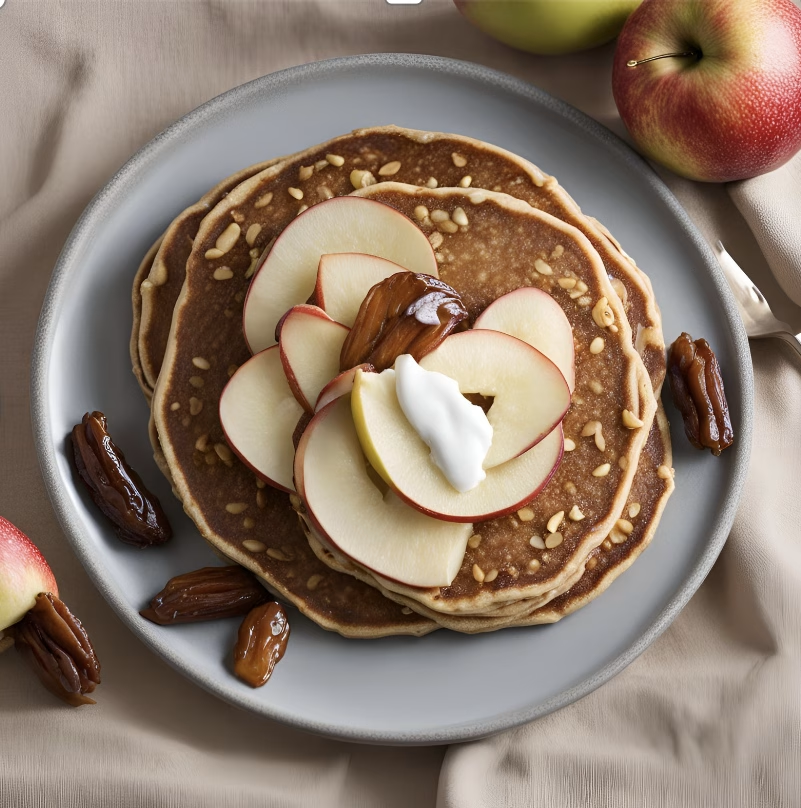
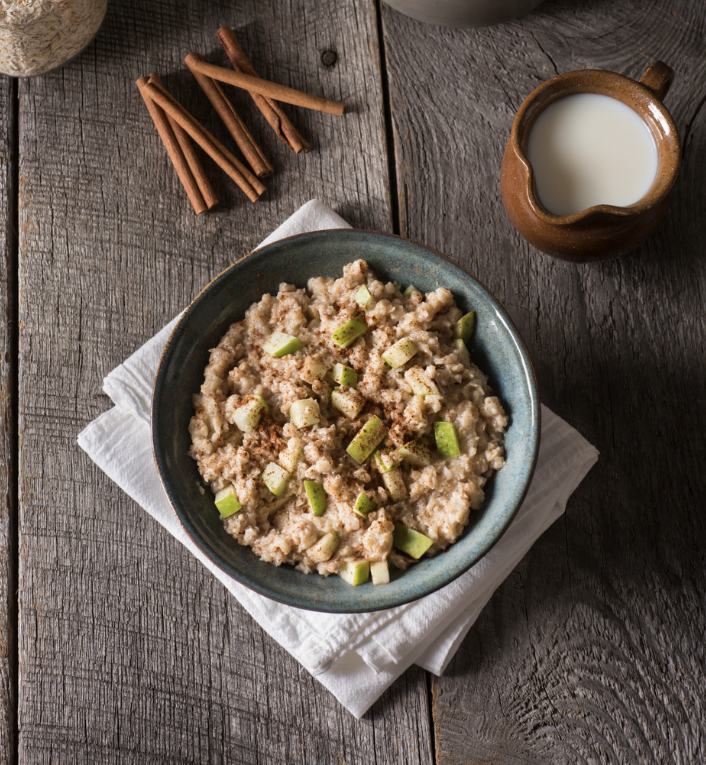
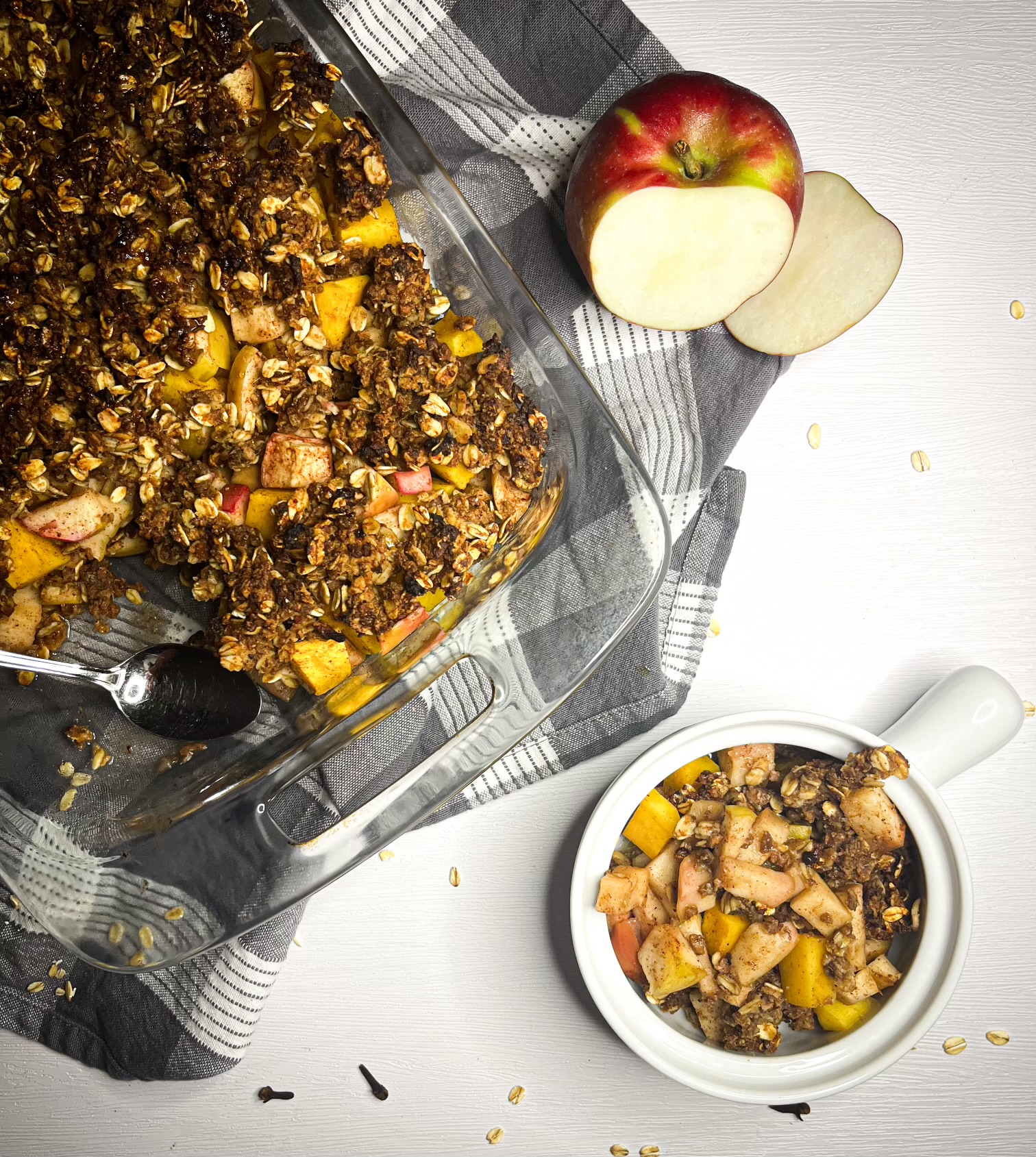
- Cook them in compotes, croustades, inversés or tarts.
Tips for easy digestion
- Eat them cooked if you have a sensitive stomach;
- Choose organic apples to avoid pesticide residues on the skin.
Our favourite recipes
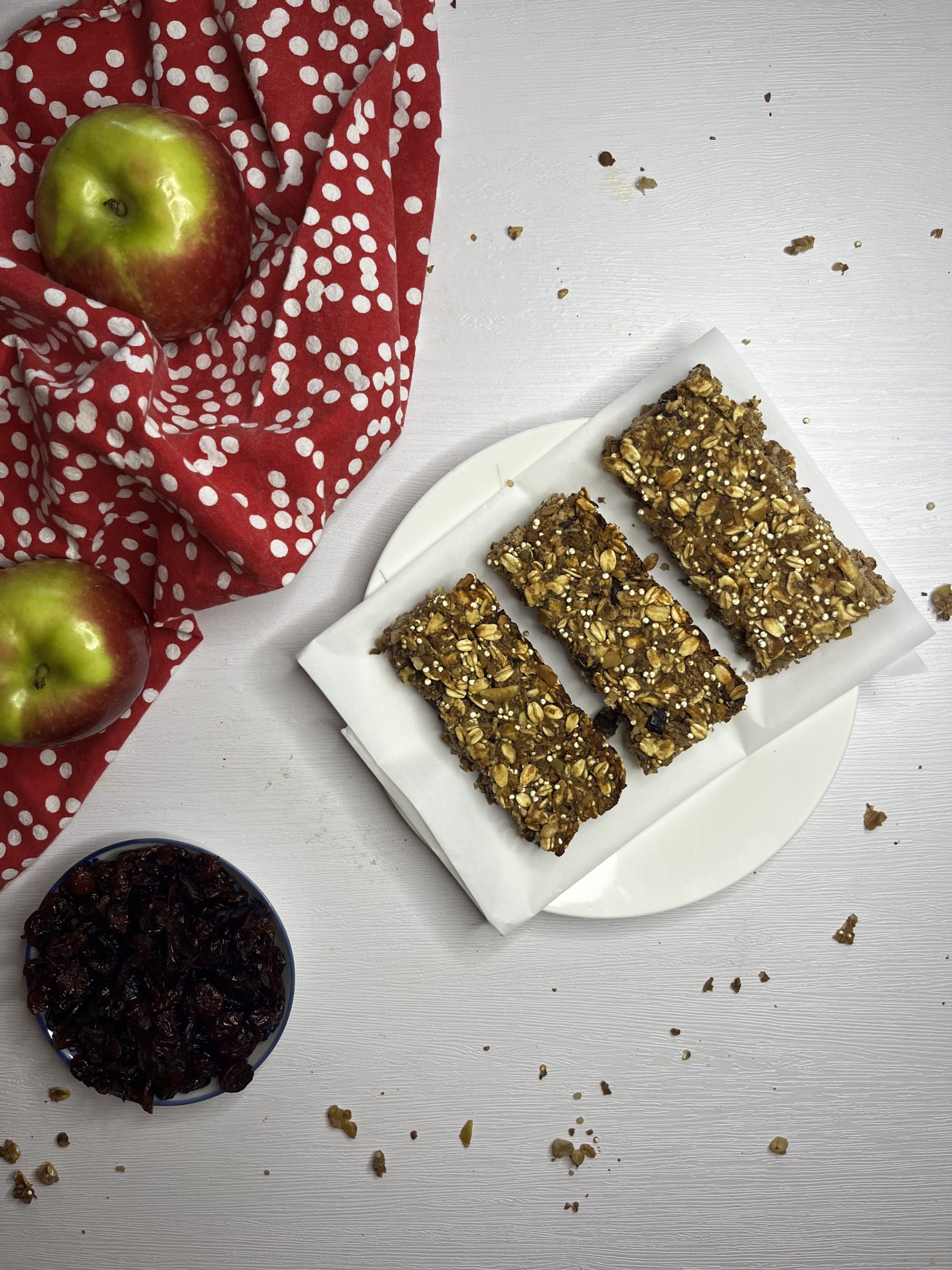
With this detailed information, you have a complete guide to incorporating insoluble fibre into your diet and enjoying delicious recipes for your digestive health!
References
(1) El-Salhy M, Ystad SO, Mazzawi T, Gundersen D. Dietary fiber in irritable bowel syndrome (Review). Int J Mol Med. 2017 Sep;40( 3 ):607-613. https://pubmed.ncbi.nlm.nih.gov/28731144/
(2) Institut national de santé publique du Québec (INSPQ), La consommation alimentaire des adultes québécois selon le poids corporel, 2011. https://www.inspq.qc.ca/sites/default/files/publications/1364_consomalimentadultesquebecois.pdf
(3) McKeown NM, Fahey GC Jr, Slavin J, van der Kamp JW. Fibre intake for optimal health: how can healthcare professionals support people to reach dietary recommendations? BMJ. 2022 Jul 20;378:e054370. https://pubmed.ncbi.nlm.nih.gov/35858693/
(4) Patel NV. «Let Food Be Thy Medicine: Diet and Supplements in Irritable Bowel Syndrome. Clin Exp Gastroenterol. 2021 Sep 22;14:377-384. https://pubmed.ncbi.nlm.nih.gov/34588791/
(5) Rinninella E, Tohumcu E, Raoul P, Fiorani M, Cintoni M, Mele MC, Cammarota G, Gasbarrini A, Ianiro G. The role of diet in shaping human gut microbiota. Best Pract Res Clin Gastroenterol. 2023 Feb-Mar;62-63:101828. https://pubmed.ncbi.nlm.nih.gov/37094913/
 French
  English