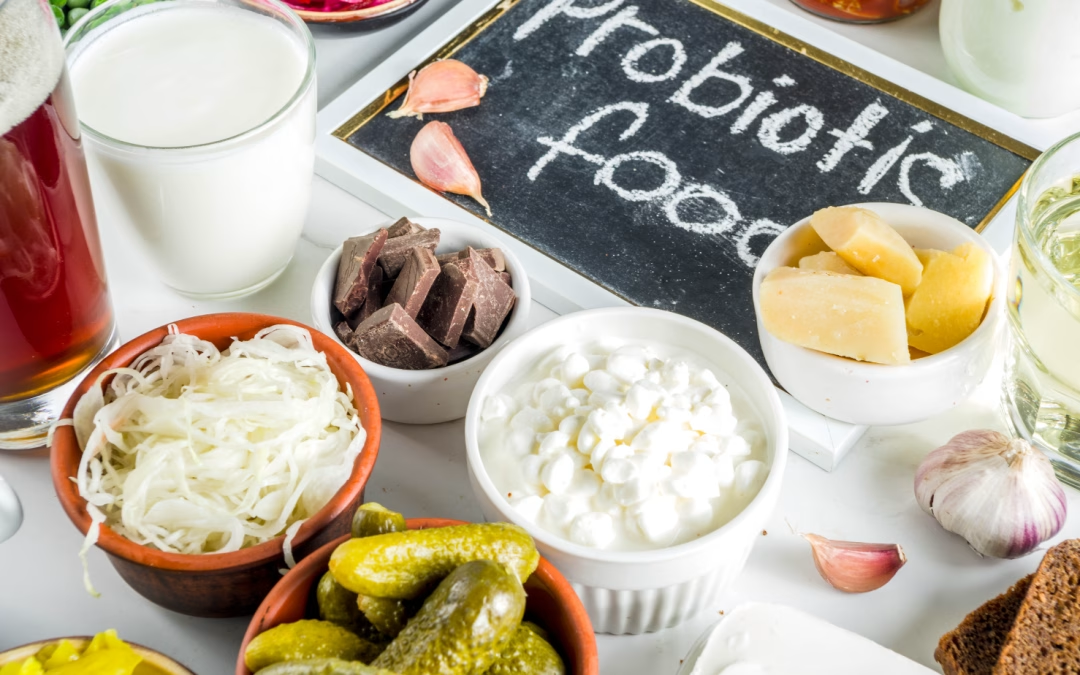
Have you ever heard of probiotics? These living micro-organisms are important to your digestive well-being and play a major role in managing intestinal discomforts such as bloating, gas, diarrhea or constipation (2)(3)(4).
What are probiotics?
Probiotics are bacteria which, when consumed in sufficient quantities, have a beneficial effect on intestinal health (3)(4). Not all bacteria are probiotic (3)(4).
Where can you find them?
On the market, probiotics are generally sold as tablets, drinks or gummies. The most common species are Lactobacillus and Bifidobacterium (2)(3)(4). The mechanisms of action are complex and vary from one strain of bacteria to another (3)(4). In these supplements, the bacteria are «protected» so that they reach the intestine still «alive» and able to play their role.
What are their benefits?
Probiotics contribute to (2)(3)(4) :
Maintaining a balanced intestinal microbiota
Strengthen the immune system by promoting «good» competition with bacteria already present
Produce beneficial substances such as short-chain fatty acids
Improve digestion and reduce gastrointestinal discomforts such as bloating, diarrhea or constipation
Preventing traveler's diarrhea
Some research even suggests that probiotics may influence weight management and mood, although further studies are needed to confirm these effects (2)(3)(4).
But which one to choose?
Depending on the reason for which you wish to take probiotics, you may wish to refer to the following guidelines Clinical Guide which compiles the results of studies with the final products sold in Canada. Of course, check with your doctor, pharmacist or nutritionist whether probiotics are indicated, safe and whether there are any possible interactions with your medication.
Fermented foods, then?
Probiotic bacteria are also found in many fermented foods:

Yogurt and kefir

Sauerkraut and kimchi
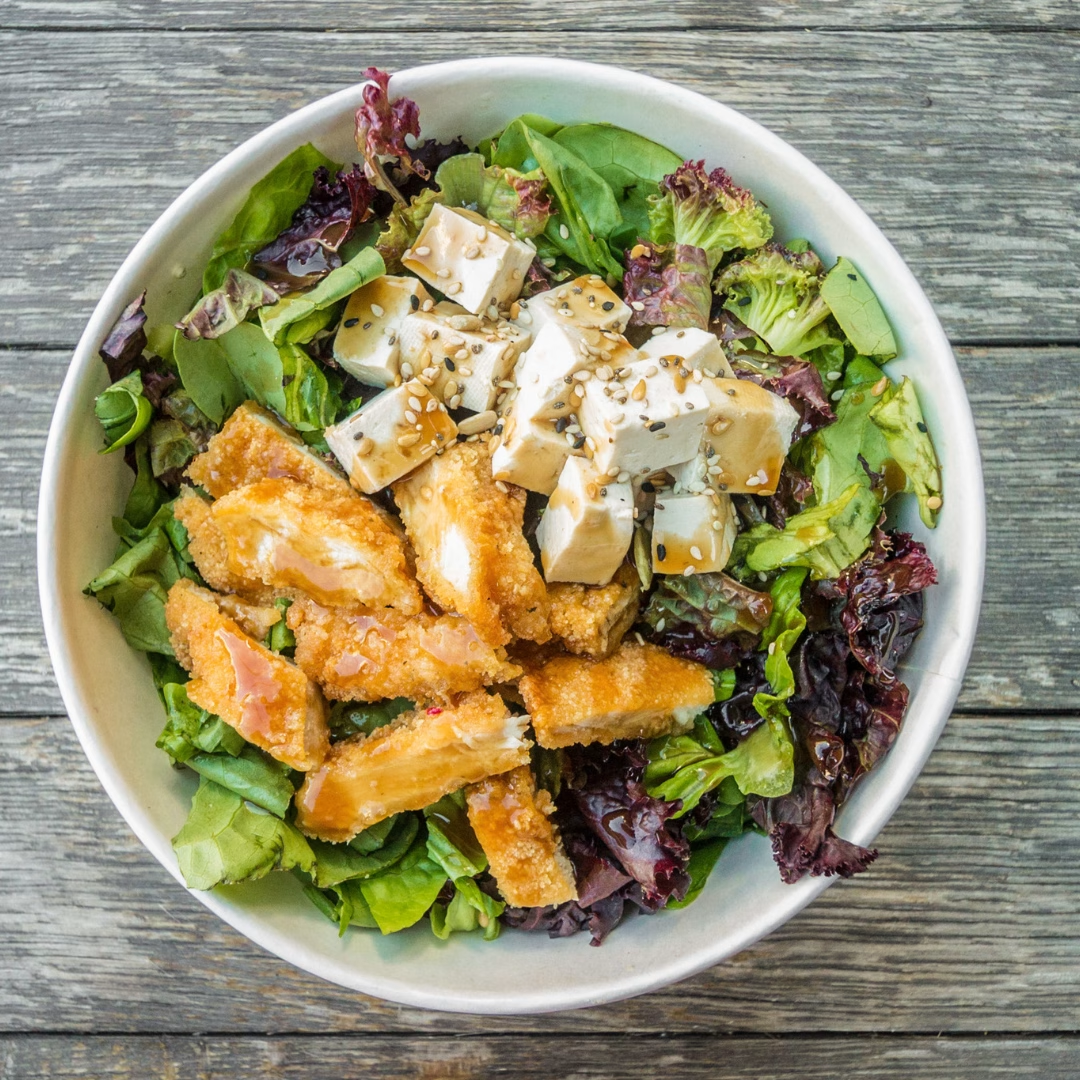
Miso and tempeh
However, it is important to note that not all fermented foods contain active probiotics (1). Furthermore, fermented foods do not meet the criteria for being probiotics, due to the varying numbers of bacteria present and the lack of uniformity from one product to another (1).
Find out more about fermented foods, see this blog post.
Conclusion
Taking care of your microbiota means better digestion and overall good health. By integrating prebiotic-rich foods, probiotics and by promoting the production of postbiotics, With probiotics, you give your gut everything it needs to function at its best! Depending on the reason, probiotic supplements may be indicated, as in the management of digestive symptoms.
Need help to make sense of it all? Consult one of our nutritionists
References
(1) Balasubramanian et al (2024) Fermented foods: Harnessing their potential to modulate the microbiota-gut-brain axis for mental health. Neurosci Biobehav Rev Mar;158:105562. https://pubmed.ncbi.nlm.nih.gov/38278378/
(2) Duranti et al. (2017) Obesity and microbiota: an example of an intricate relationship. Genes Nutr Jun 15;12:18. https://pubmed.ncbi.nlm.nih.gov/28638490/
(3) International Probiotics Association (IPA) https://internationalprobiotics.org/
(4) International Scientific Association for Probiotics and Prebiotics (ISAPP) https://isappscience.org/
 French
  English