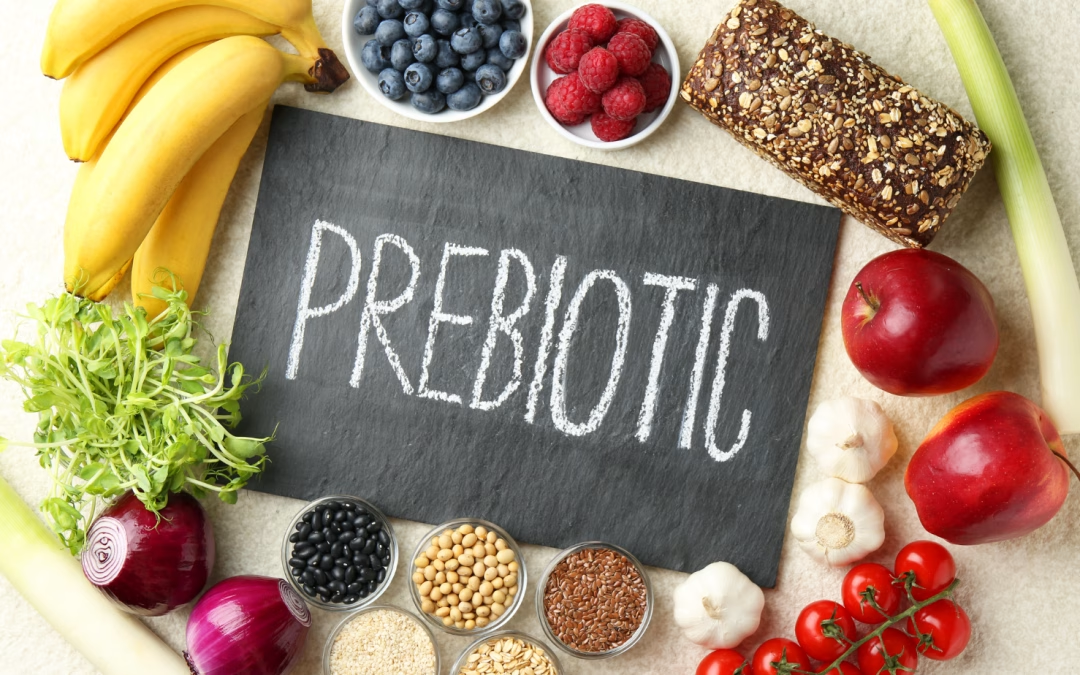
Did you know that your gut is home to billions of bacteria that play a key role in your intestinal health? For them to thrive and bring you their benefits, they need food: that's where prebiotics come in.
What is a prebiotic?
Prebiotics are carbohydrates, fibers that the body cannot digest. They pass through the digestive system intact to the intestine, where they serve as fuel for the bacteria of the intestinal microbiota (2)(4). By nourishing these bacteria, prebiotics help to reinforce the balance of the intestinal microbiota, improve digestion and the management of digestive symptoms such as those present during irritable bowel syndrome (IBS).
Where can you find them?
Prebiotics are naturally present in many foods:
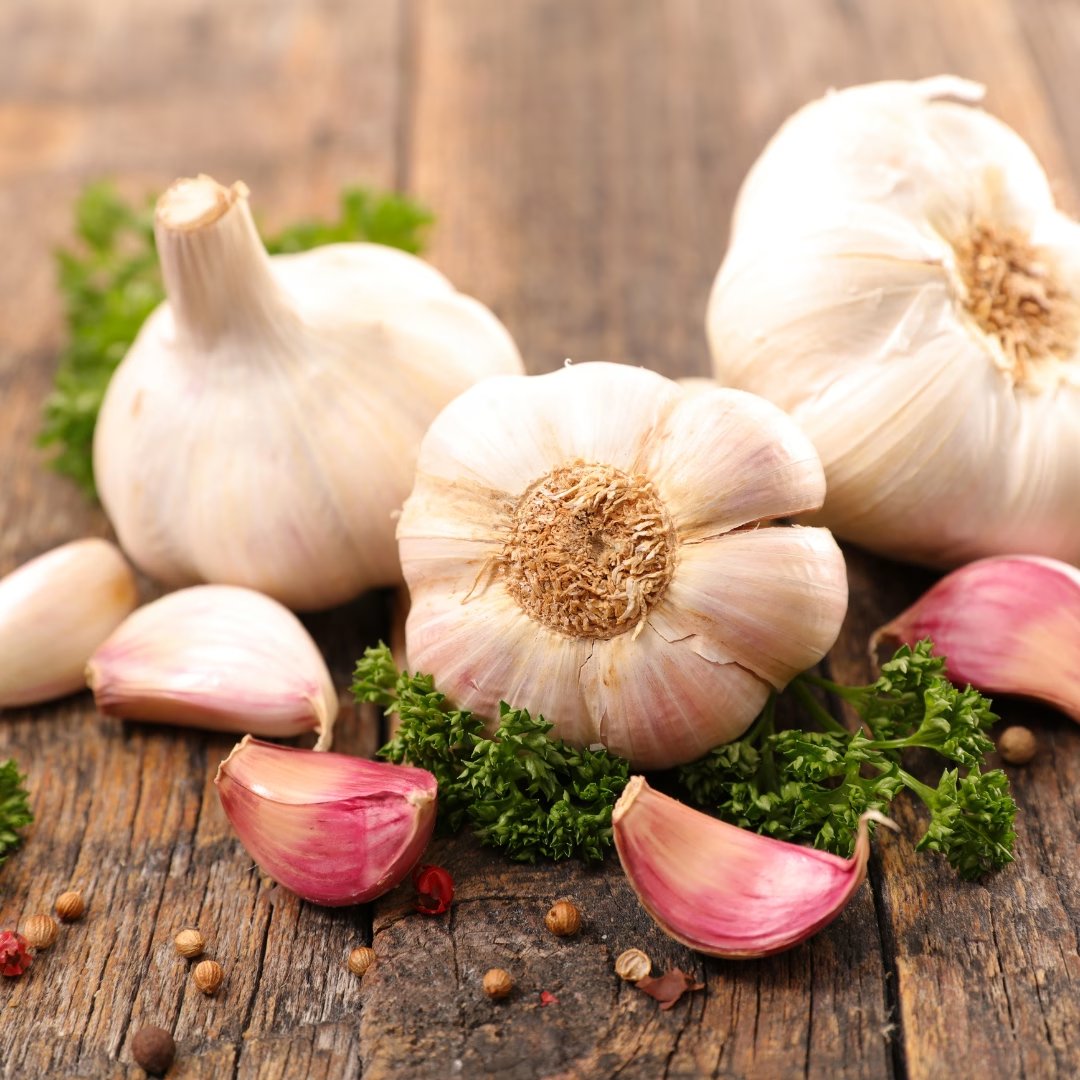
Garlic, onion, leek
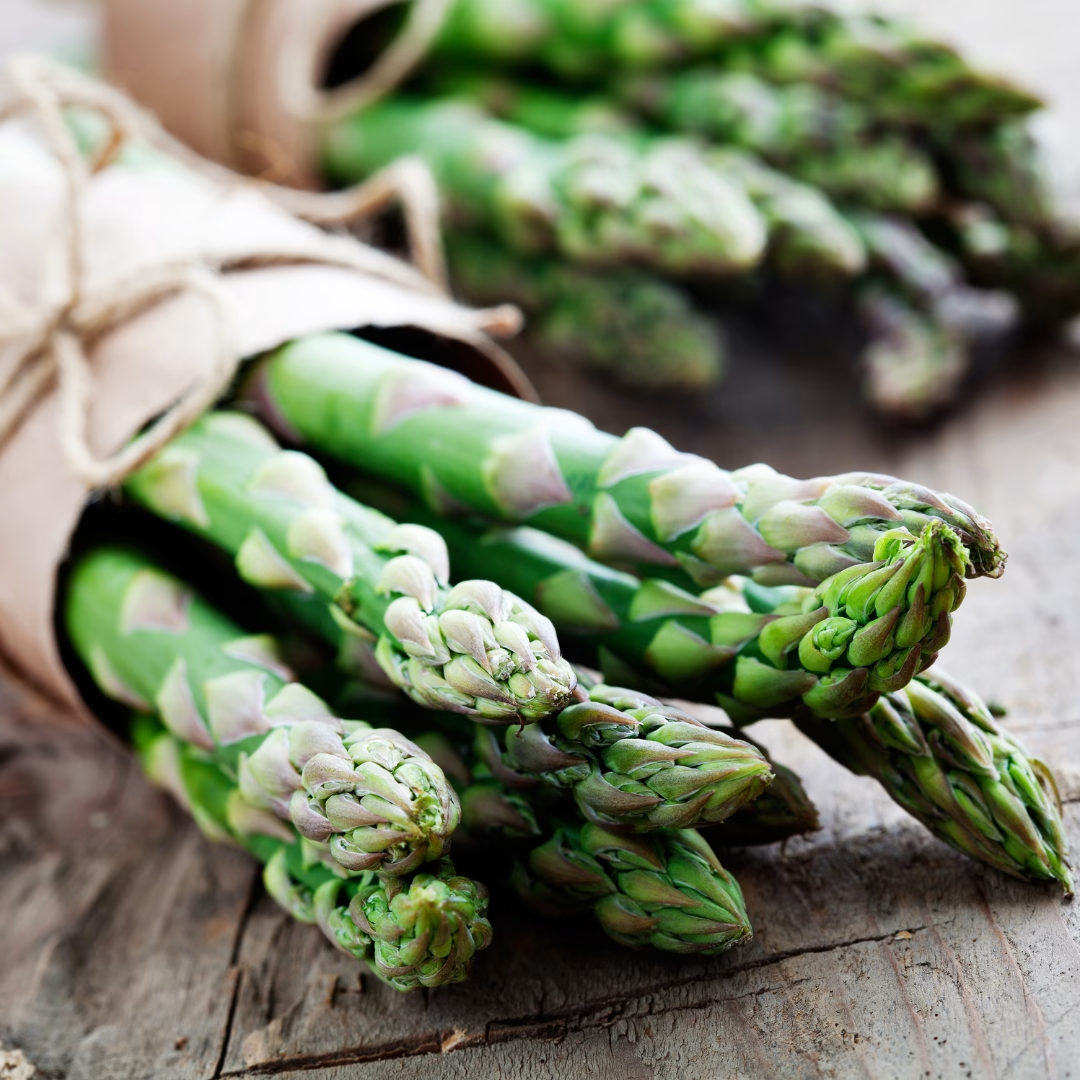
Asparagus, artichoke, beet
Whole grains (oats, buckwheat, barley, quinoa, brown rice)
Nuts, seeds, berries, coffee, tea
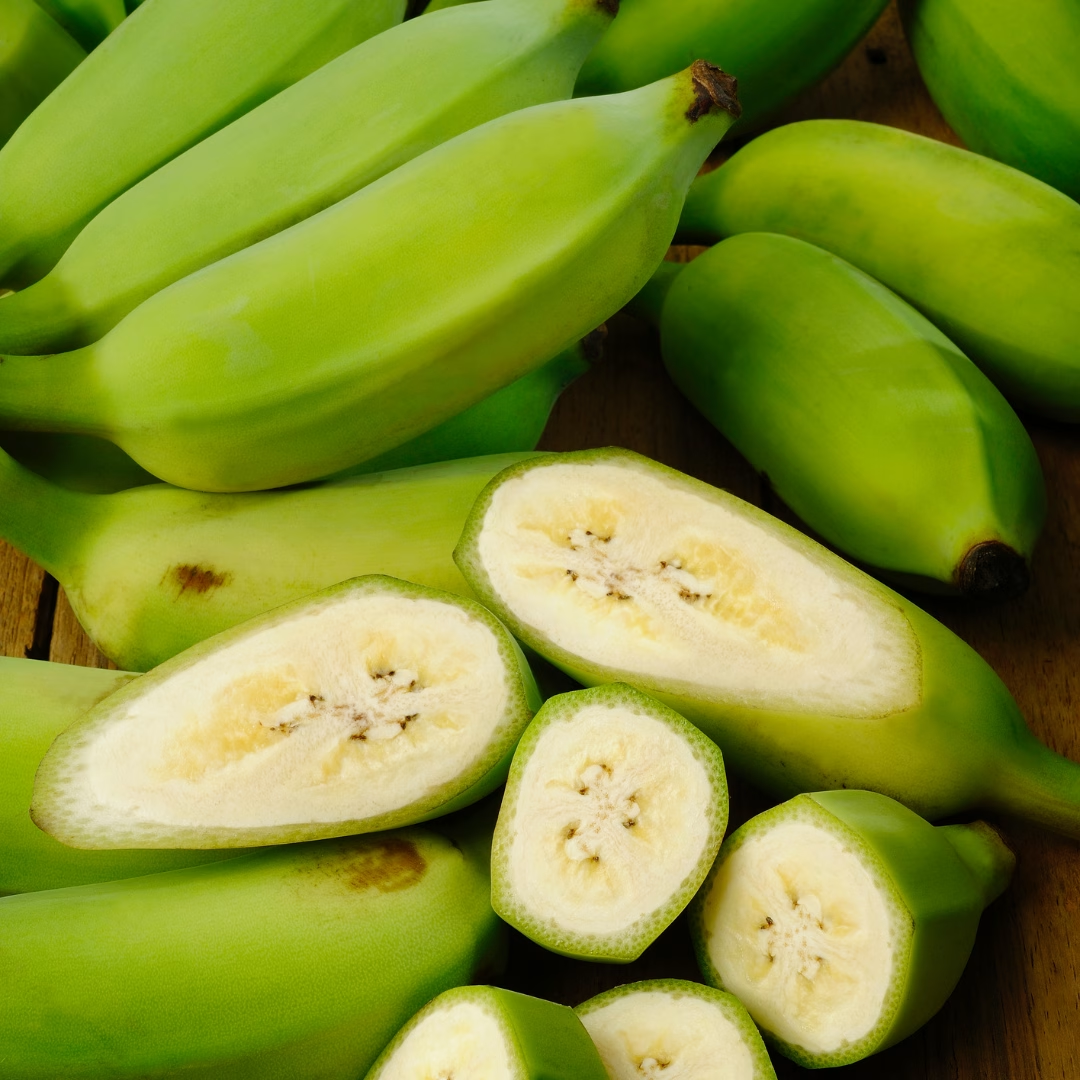
Banana (especially green)
Pulses (lentils, chickpeas, beans)
Potato, Jerusalem artichoke
What are their benefits?
Regular consumption of prebiotics promotes better intestinal health by stimulating the growth of good bacteria. They also contribute to :
Strengthen the intestinal barrier and reduce intestinal permeability (1)(3)
Produce short-chain fatty acids (SCFA), beneficial substances for the body (1)(3)
Regulate appetite and satiety (2)(4)
A diet rich in prebiotic fibres is therefore an excellent way to take care of your digestive and overall health!
Conclusion
Taking care of your microbiota means better digestion and overall good health. By integrating foods rich in prebiotics and in probiotics and promoting production postbiotics , you give your gut everything it needs to function at its best! Whether it's to improve nutrition and digestive health, to help manage digestive symptoms during irritable bowel syndrome (IBS) or inflammatory bowel diseases (ulcerative colitis, Crohn's disease), or to help manage hunger and satiety signals, adopting good eating habits is a precious asset for your well-being!
Here are a few recipes that include prebiotics:
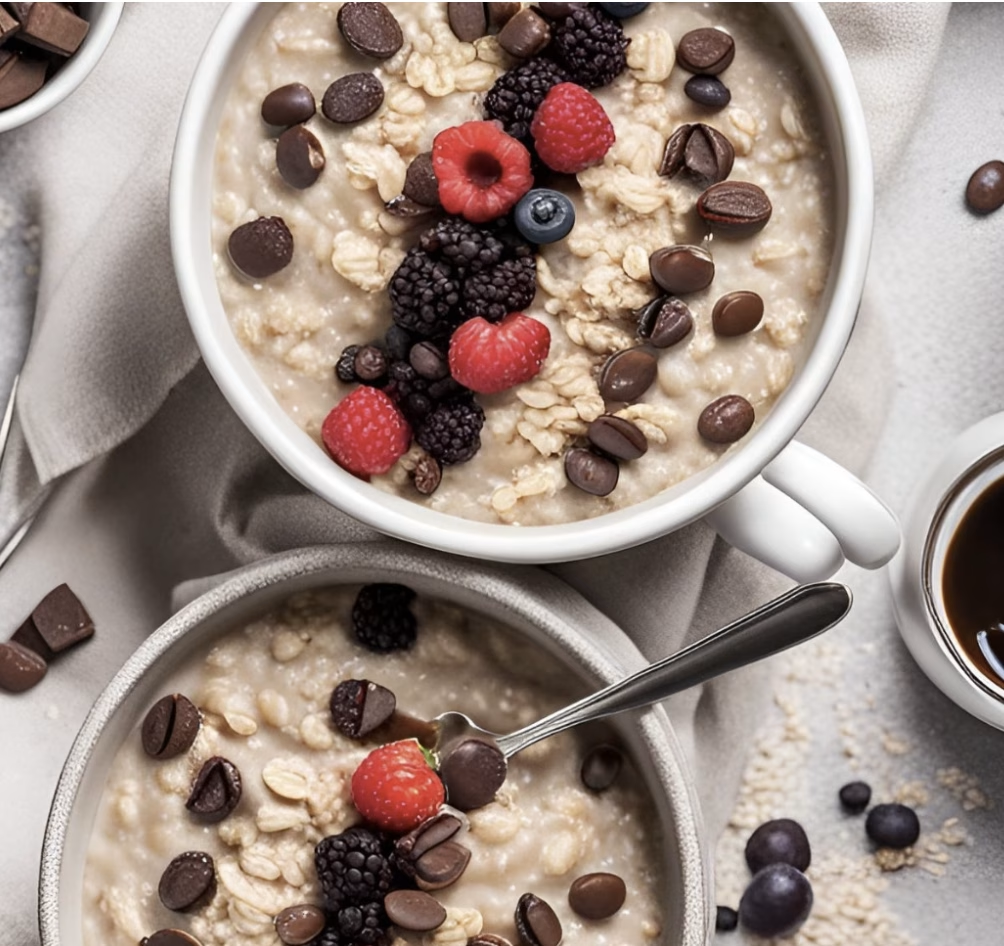
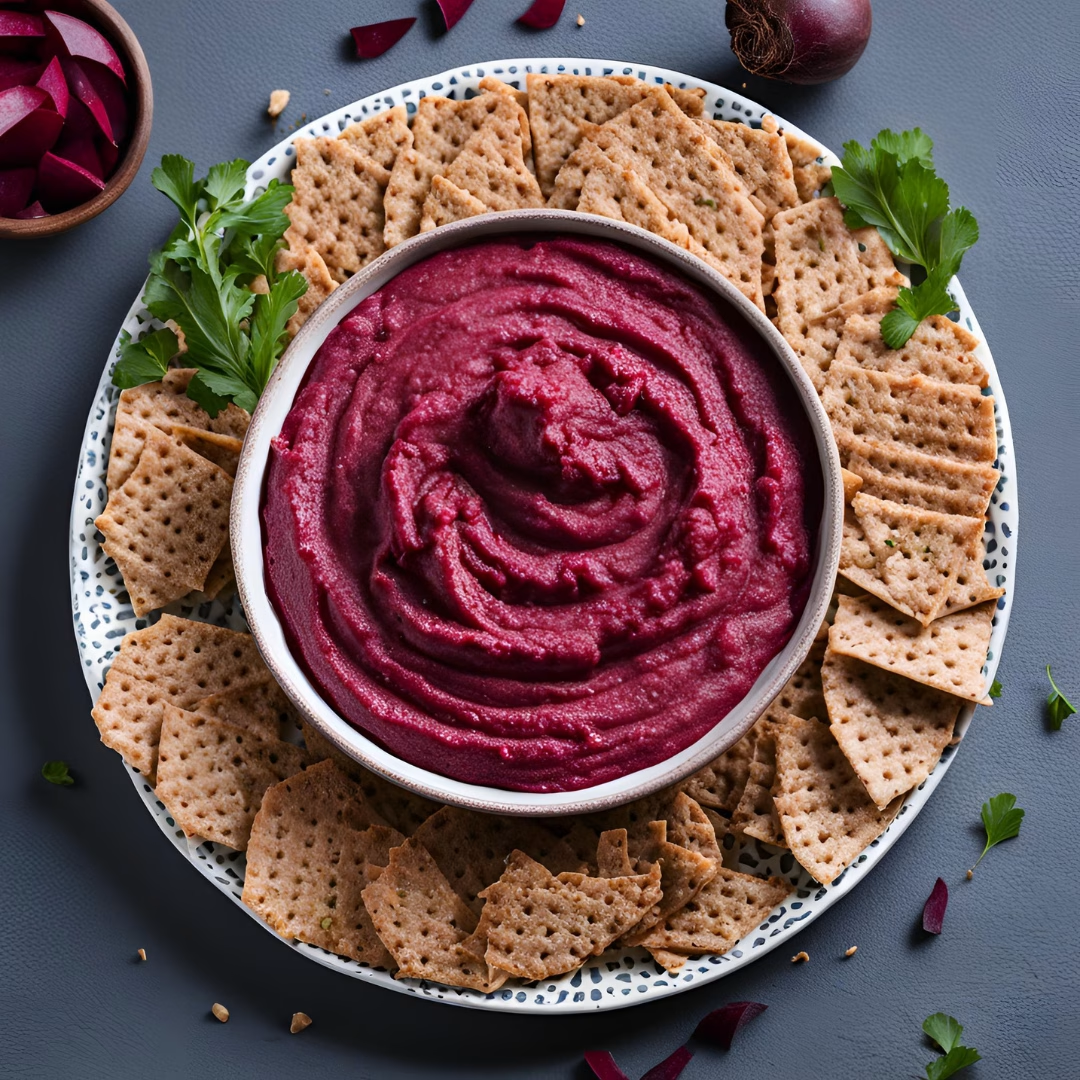
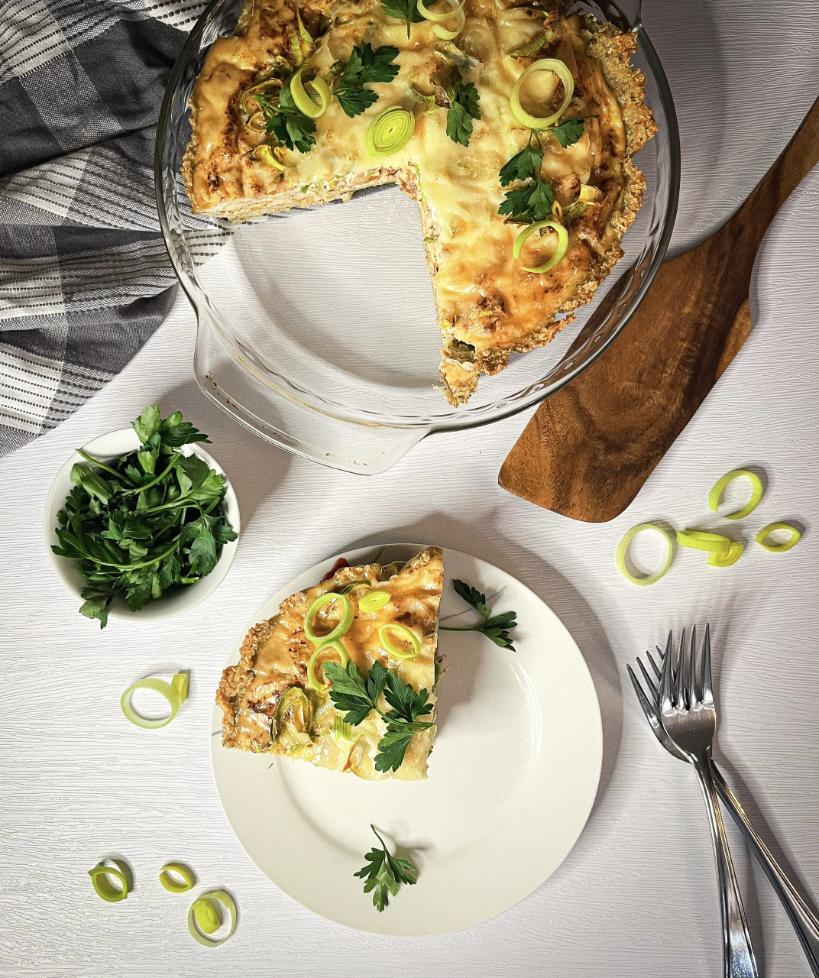
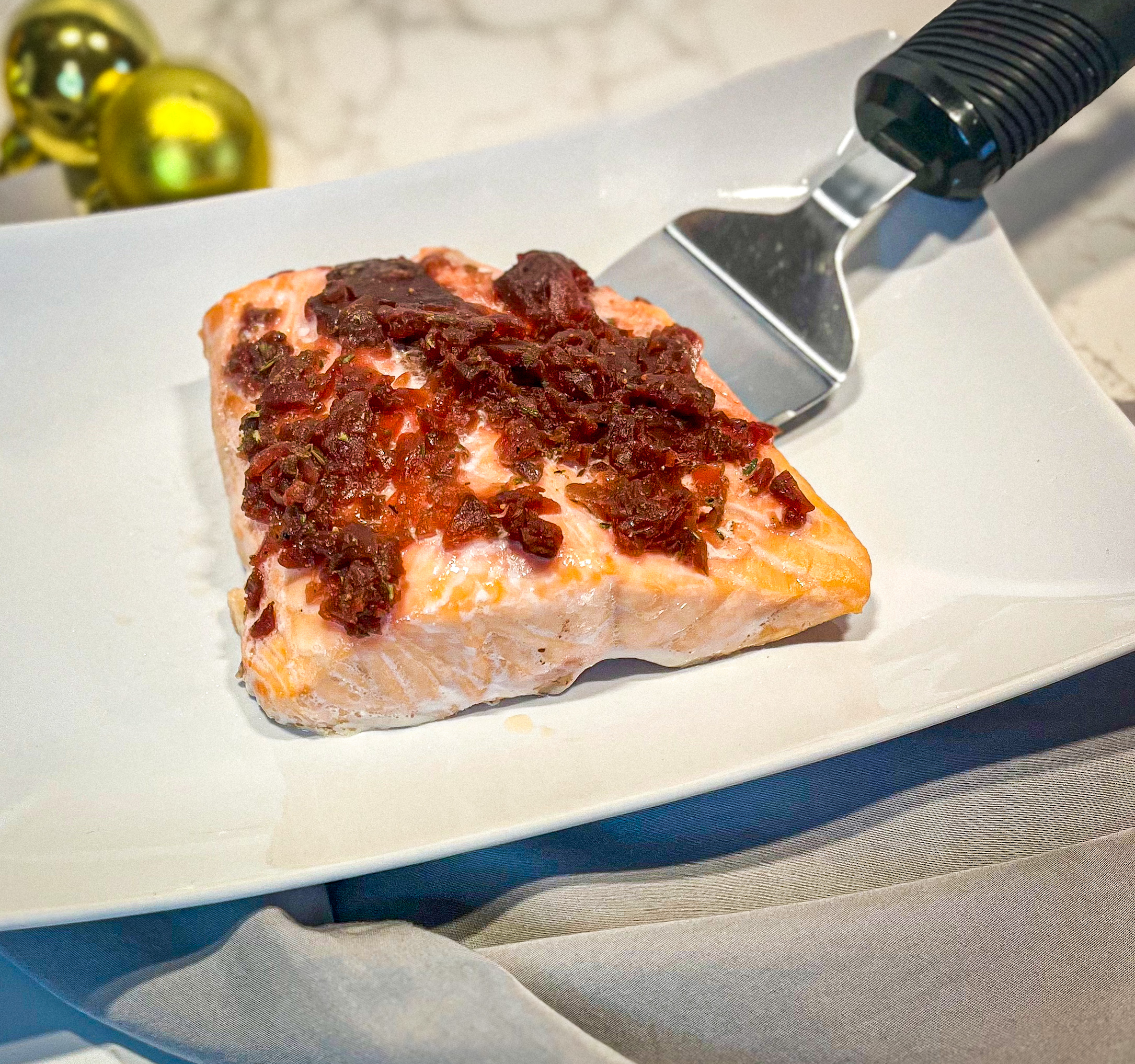
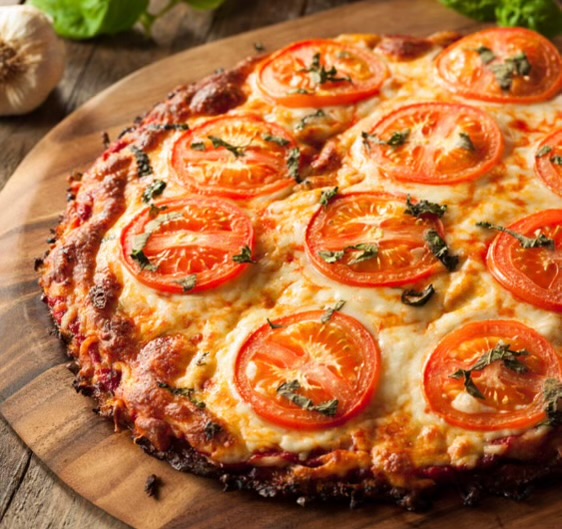
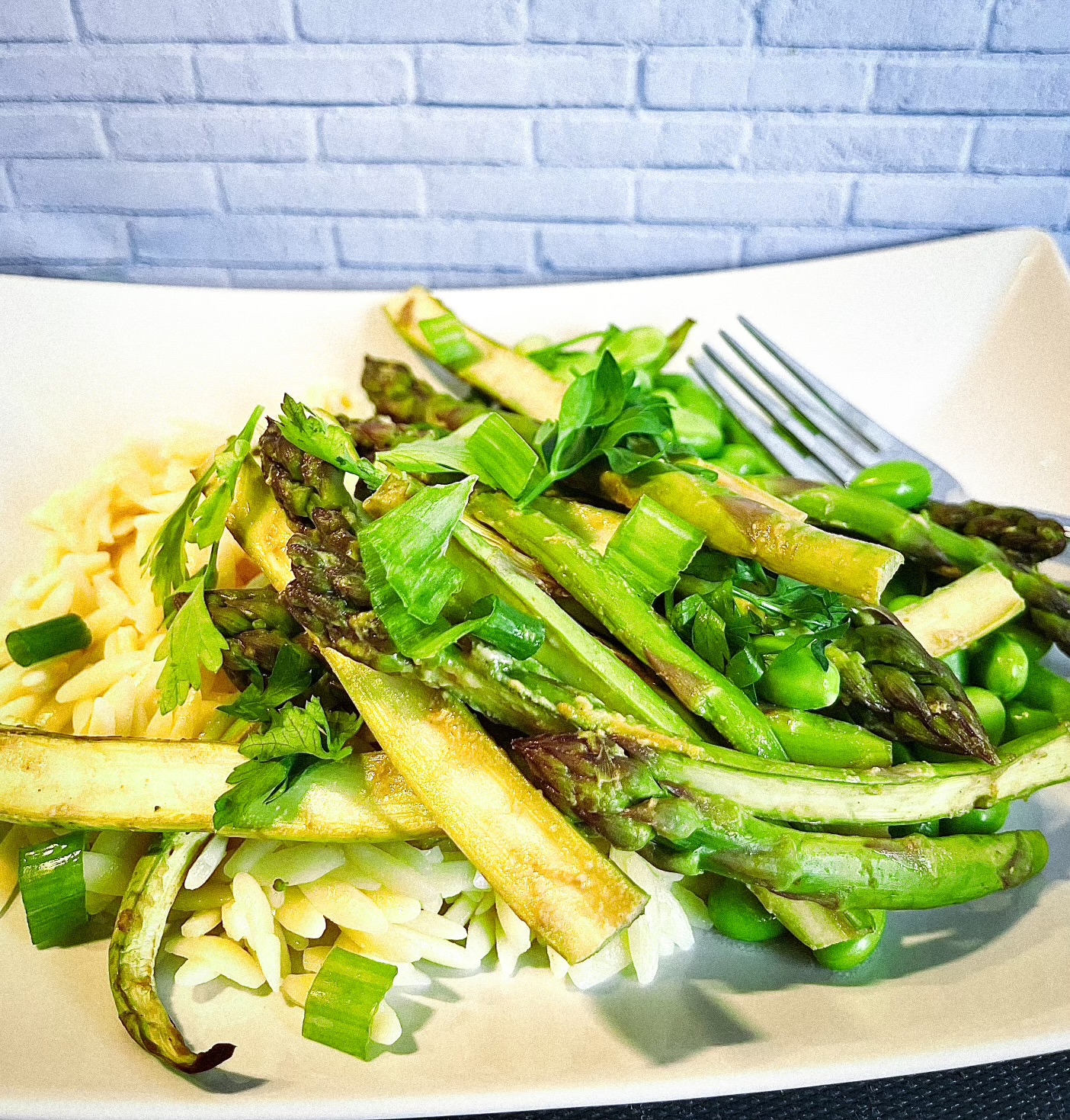
If you'd like more recipes for incorporating prebiotics, subscribe to our recipe bank.
References
(1) Beam et al. (2021) Effect of Diet and Dietary Components on the Composition of the Gut Microbiota. Nutrients Aug 15;13(8):2795. https://pubmed.ncbi.nlm.nih.gov/34444955/
(2) Duranti et al. (2017) Obesity and microbiota: an example of an intricate relationship. Genes Nutr Jun 15;12:18. https://pubmed.ncbi.nlm.nih.gov/28638490/
(3) Gomaa (2020) Human gut microbiota/microbiome in health and diseases: a review. Antonie Van Leeuwenhoek. Dec;113(12):2019-2040. https://pubmed.ncbi.nlm.nih.gov/33136284/
(4) Reimer et al (2024) The effects of chicory inulin-type fructans supplementation on weight management outcomes: systematic review, meta-analysis, and meta-regression of randomized controlled trials. Am J Clin Nutr Nov;120(5):1245-1258. https://pubmed.ncbi.nlm.nih.gov/39313030/
 French
  English