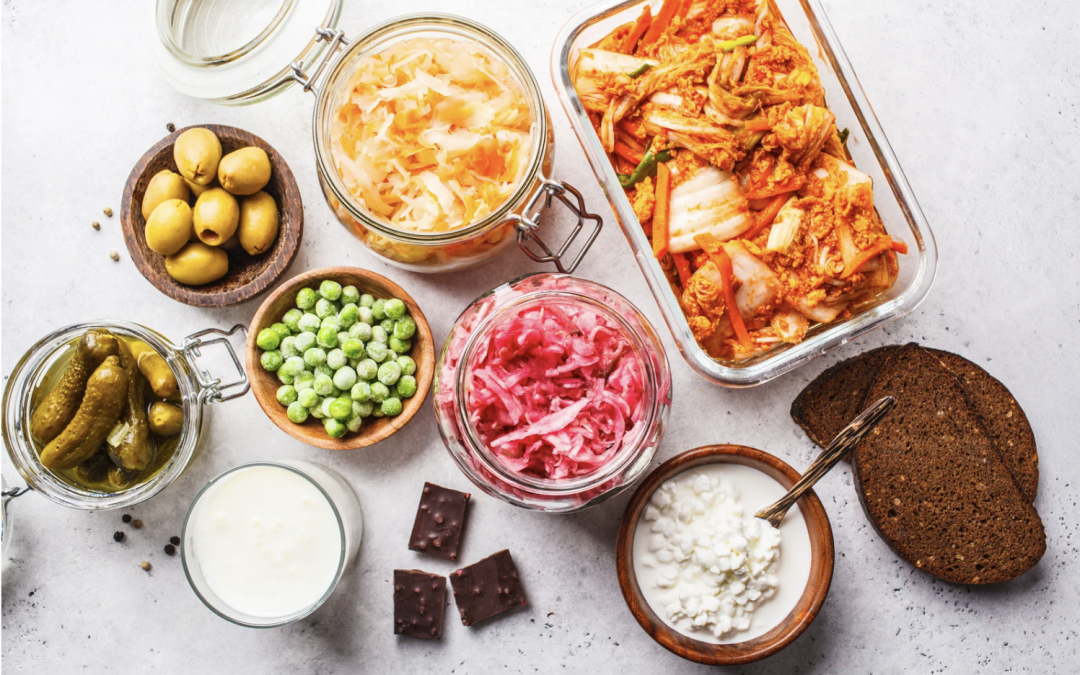
True or false? Fermented foods are like probiotics.
Wrong.
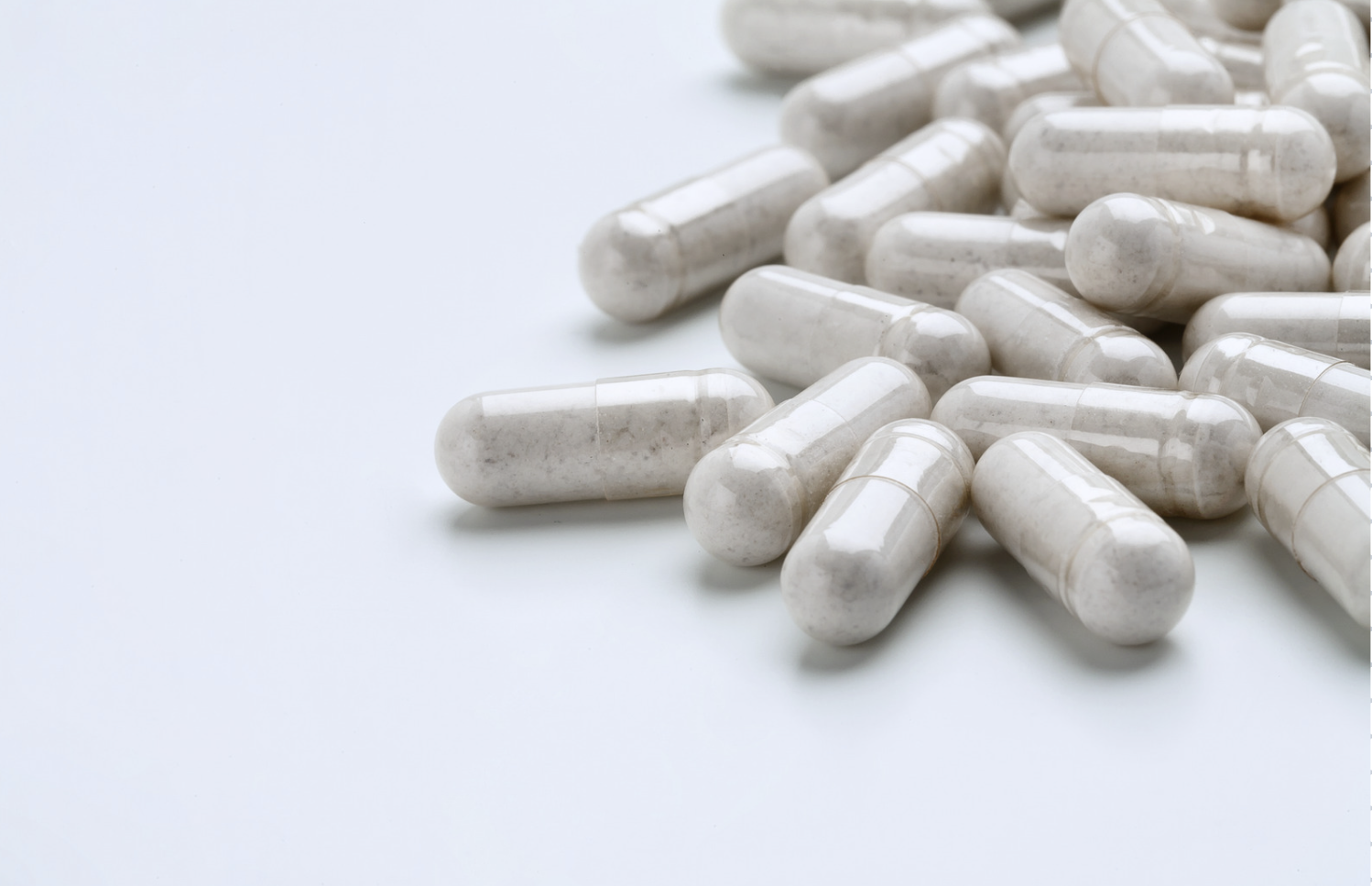
That's right, fermented foods contain «living» bacteria like probiotics. On the other hand, fermented foods do not meet the criteria for a probiotic because of their lack of standardization their bacterial content. The number of bacteria present varies from one product to another, unlike the content of a probiotic, which is standardized. For example, when you buy a probiotic containing 25 billion bacteria per capsule, the company guarantees you this quantity! Whereas in a bottle of kombucha, The quantity of bacteria present can vary from one container to another! Environmental conditions and fermentation parameters can affect the number of bacteria present.
Another challenge for the «probiotic» effect is that the bacteria make it to the intestine! In the capsules, the bacteria are «protected» to resist stomach acid. In fermented foods, the majority of bacteria are «destroyed» in the stomach! Studies show that only a small proportion of the probiotic bacteria in fermented foods can withstand the acidity of the stomach and reach the intestine. The reported benefits of fermented foods therefore derive not only from the bacteria present, but also from other mechanisms such as postbiotics.
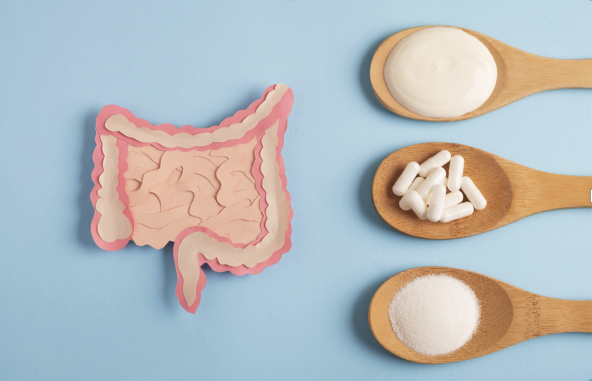
True or false? Fermentation is always carried out by «added» bacteria.
Wrong. Visit fermentation can be done in two main ways:
✔️ Spontaneous Natural fermentation: bacteria are already present in the food and carry out the fermentation process under specific conditions.
E.g. sauerkraut, kimchi: bacteria are present on cabbage leaves
✔️ Addition of bacteria During the fermentation process, bacterial cultures and microorganisms are added (often called starter).
e.g. kefir, kombucha, natto

True or false? Pickled foods are not fermented foods.
True. Pickled foods or foods «in vinegar» are not fermented foods, since no bacterial culture is present. Pickled beets and pickles are not fermented! However, there are lacto-fermented vegetables such as carrots, cabbage, cauliflower, garlic and beet! Their «tangy» taste comes not from the addition of acidic elements (e.g. vinegar, lemon juice), but from fermentation!
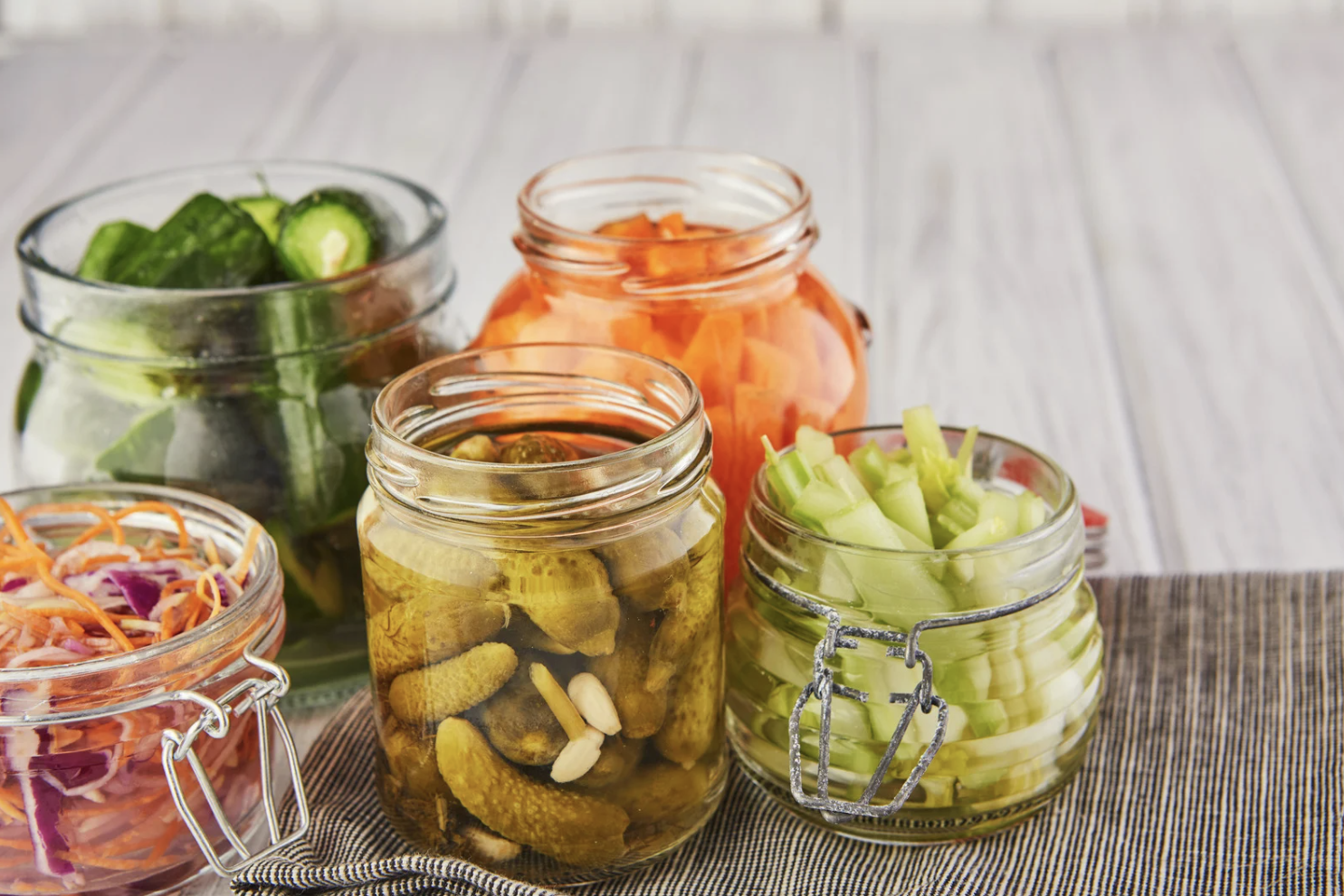

True or false? Fermented foods cause digestive discomfort.
Wrong! On the contrary, fermentation can improve the digestibility of certain foods. In fact, bacteria «digest» part of the sugars to promote food tolerance.
By way of example, a bread produced by fermentation with sourdough will have a reduction in the content of fermentable carbohydrates, i.e. wheat fructan (in reference to the FODMAP), making it easier to digest bread in the event of associated discomfort.
This is also the case for sauerkraut which improves cabbage tolerance, and kefir which is better tolerated by lactose-intolerant people!
Obviously, digestive tolerance is unique to each individual. Testing fermented foods can be interesting for foods that cause you digestive symptoms!

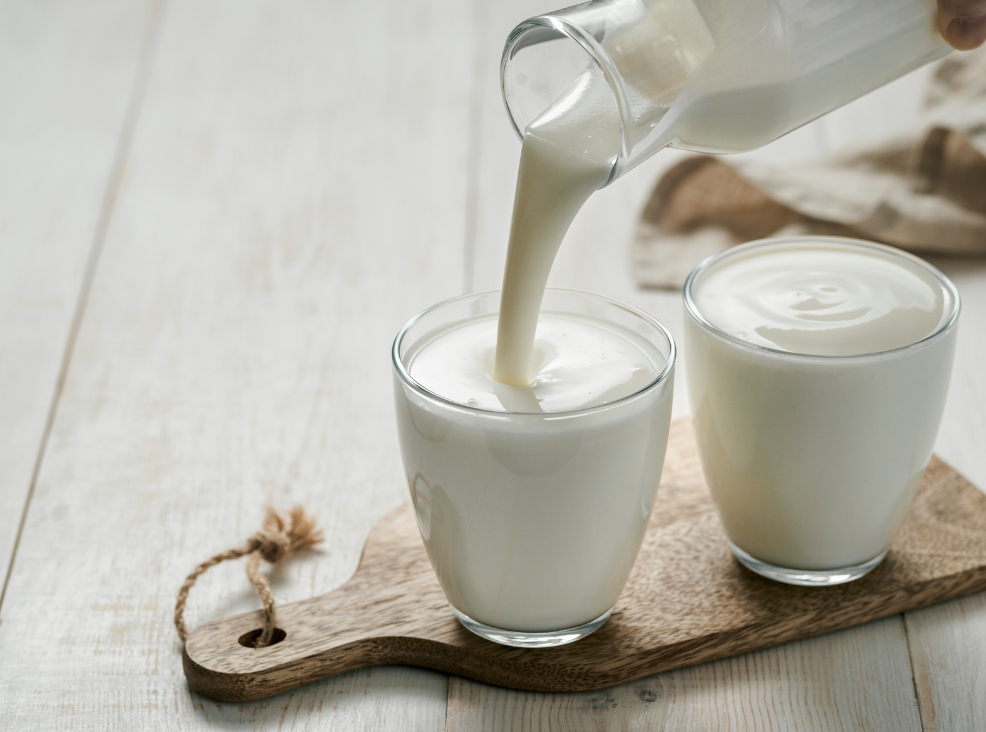

True or false? Fermented foods are «better» for your health.
True and false. While not «better» for your health, fermenting food optimizes its nutrient content, such as bioactive peptides, phytochemicals and vitamins (e.g. B vitamins9 and B12)! This is interesting from an overall health perspective. However, some products, such as lacto-fermented vegetables, kimchi or sauerkraut, are high in salt, and some kombucha is high in sugar! Consume in moderation!
True or false? Food helps my gastrointestinal symptoms.
Maybe! Despite current limits scientific literature, fermented foods appear to be associated with health benefits for the intestinal microbiota. This type of food has the ability to modulate the composition and diversity of intestinal bacteria. Fermented foods also promote the synthesis of microbial metabolites (postbiotics) such as short-chain fatty acids (SCFA) with a role in maintaining the integrity of the intestinal barrier and reducing systemic inflammation (i.e. the whole body). Current studies are mainly pre-clinical (e.g. cell culture or animal studies) or observational in a small number of subjects.
The major challenge facing fermented food science today? The highly variable individual answer, given each person's unique microbiota!
So why include fermented foods in your diet?
- For the unique texture and taste that fermentation produces in food;
- To improve food shelf life;
- To increase food digestibility (e.g. cabbage for sauerkraut, wheat for sourdough bread);
- For potential digestive health benefits: short-chain fatty acids, bioactive compounds (postbiotics), impact on the composition of intestinal microbiota.


References :
Balasubramanian et al (2024) Fermented foods: Harnessing their potential to modulate the microbiota-gut-brain axis for mental health.Neurosci Biobehav Rev. Mar;158:105562. https://pubmed.ncbi.nlm.nih.gov/38278378/
Dimidi et al (2019) Fermented Foods: Definitions and Characteristics, Impact on the Gut Microbiota and Effects on GastrointestinalHealth and Disease. Nutrients Aug 5;11(8):1806. https://www.ncbi.nlm.nih.gov/pmc/articles/PMC6723656/
Dourado et al (2020) Diet as a Modulator of Intestinal Microbiota in Rheumatoid Arthritis. Nutrients. Nov 14;12(11):3504. https://pubmed.ncbi.nlm.nih.gov/33202579/
Ferro et al (2021) Probiotic Supplementation for Rheumatoid Arthritis: A Promising Adjuvant Therapy in the Gut Microbiome Era. Front Pharmacol Jul 23;12:711788. https://www.ncbi.nlm.nih.gov/pmc/articles/PMC8346200/
ISAPP. Fermented Foods. 2020. https://isappscience.org/for-scientists/resources/fermented-foods/
Montreal Heart Institute. The anti-inflammatory effects of fermented foods. 2024.https://observatoireprevention.org/2024/09/04/les-effets-antiinflammatoires-des-aliments-fermentes/
 French
  English