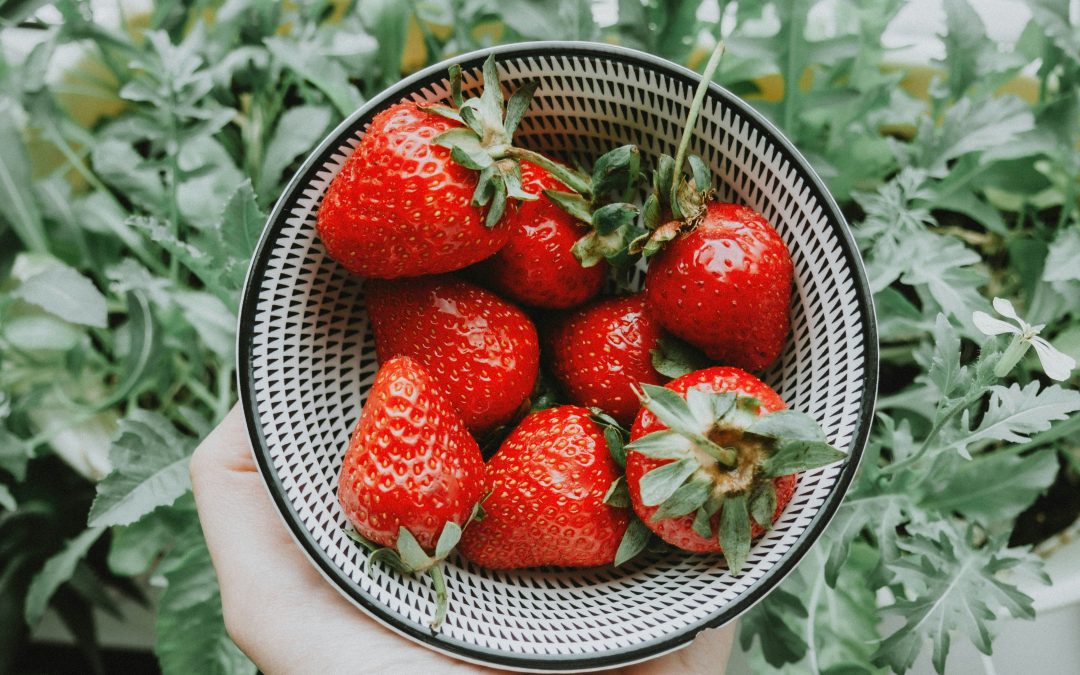
Should strawberries be avoided in the case of reflux?
Strawberries fall into the category of foods with an acidic pH ranging from 3.1 to 3.5, similar to oranges. Therefore, if you suffer from gastroesophageal reflux disease (GERD), Strawberries, as well as many other acidic or irritant foods (e.g. citrus fruits, tomatoes, coffee, alcohol, chocolate), are worth testing. However, clinically speaking, very few GERD reactions are observed with strawberries!
To check your tolerance, validate the symptoms within a few hours. ingestion of the food. If no symptoms are present within 3 hours, you can consider that the food is not a symptom «trigger».
What's more, contrary to popular belief, reflux is generally not caused by excess stomach acid. Rather, they are caused by relaxation of the lower esophageal sphincter (LES) which causes gastric chyme to back up into the esophagus. Foods that promote this relaxation include chocolate, coffee and mint.
If you suffer from reflux and would like personalized recommendations from a healthcare professional, contact a team nutritionist.
Should strawberries be avoided in cases of ulcers?
For some people who have suffered from peptic ulcers, the elimination of irritating foods such as acidic ones may seem favorable. However, to date, there is no scientific evidence that excluding these acidic foods can accelerate healing or prevent recurrence. Instead, listen to your symptoms.
Although one of the causes of ulcers is excess acid in the stomach, it is inaccurate to claim that acidic foods can be the cause. There are a variety of clinical causes of peptic ulcers, such as an infection with H. pylori or certain drugs such as anti-inflammatories (e.g. aspirin or NSAIDs (non-steroidal anti-inflammatory drugs)).
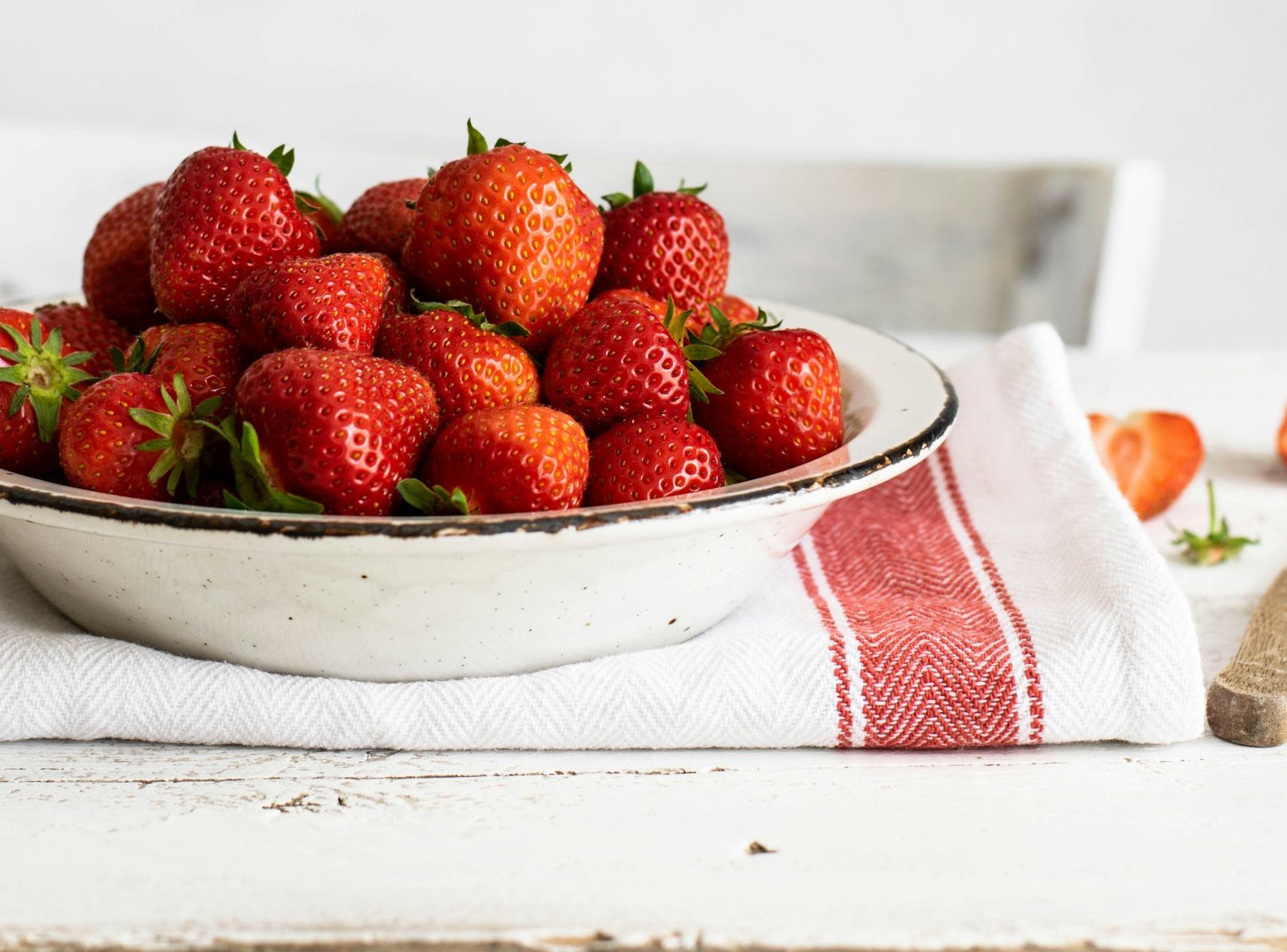
Strawberries are-they laxatives?
Strawberries are very rich in insoluble fibers and are composed of 90% of water.
In fact, a 125 ml (½ cup) serving of fresh strawberries provides 2 g total fiber, including 1.2 g insoluble fiber. What's more, these fibers resist fermentation, as they are not very fermentable.
Strawberries that meet both criteria (insoluble fibre and high water content) can, in fact, have properties known as laxatives. Obviously, the intestinal response is individual to each person and, above all, will depend on the quantity consumed.
Visit insoluble fibers increase the water content of stools, thereby increasing their volume. Contrary to popular belief, laxative fibres (often insoluble fibres) have no interaction with water or its retention capacity as such. Rather, it is their effect as they pass over the intestinal mucosa that stimulates the intestinal mucosa to release water. This water increases stool volume and limits stool viscosity, thus facilitating peristalsis and the speed of intestinal transit.
Being very lightly fermented by intestinal bacteria, these fibers remain present throughout their passage through the digestive tract, arriving in the vast majority of cases intact at the end, allowing them to enter the composition of stools.
Do you suffer from constipation?
Lhe strawberries pawning be so a fine ally! En case of constipation chronic, the latter will be largely inadequate in the face of this multifactorial condition.
Poo relieve your incodigestive problems, visit a team nutritionist and/or take control of your digestive health and relieve discomfort with training for the general public, tailor-made by the Épithélia team.
Can strawberry seeds trigger an outbreak? diverticulitis?
Wrong!
This myth is still very strong in popular belief, but it's not true. To date, no food has been associated with the prevention, onset or recurrence of diverticulitis.
It is generally advisable to follow a low-fiber, low-residue diet at short-term (e.g. 2 weeks). Although this recommendation is not yet unanimous in the scientific literature, fiber restriction appears to be increasingly controversial in view of its associated benefits for overall health.
Read the following article to learn more about diverticulitis: Diverticulosis or diverticulitis?
*Please note that each recommendation must be personalized. Ask your doctor about your situation, and make sure you have the right equipment. nutritional support adapted to your situation.
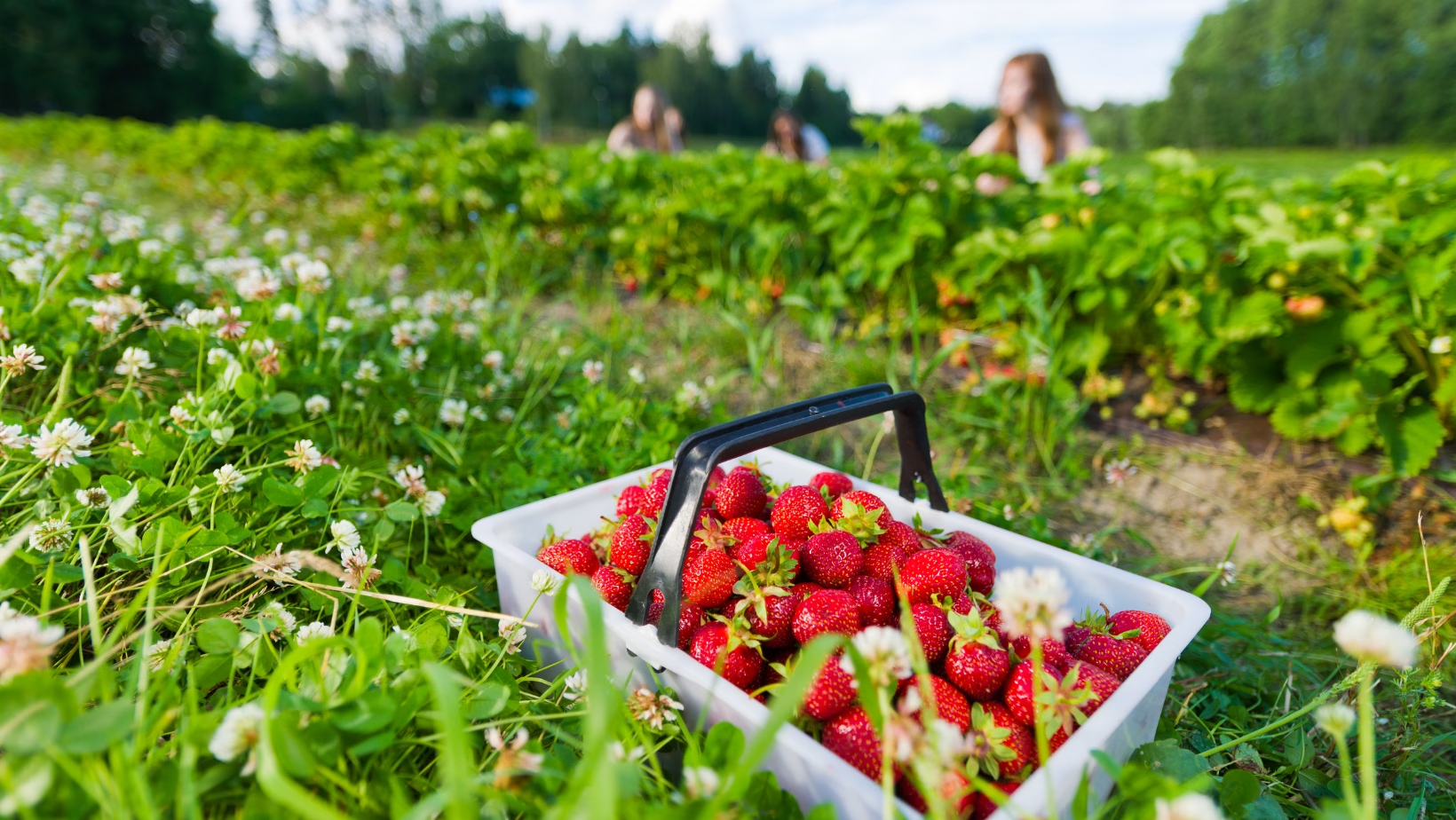
What to eat with strawberries
Here are some winning combination ideas for preparing strawberries any time of day!
To be included in:
Frozen yogurt, cold drinks, lollipops/popsicles
Desserts, snacks (muffins, patties, squares)
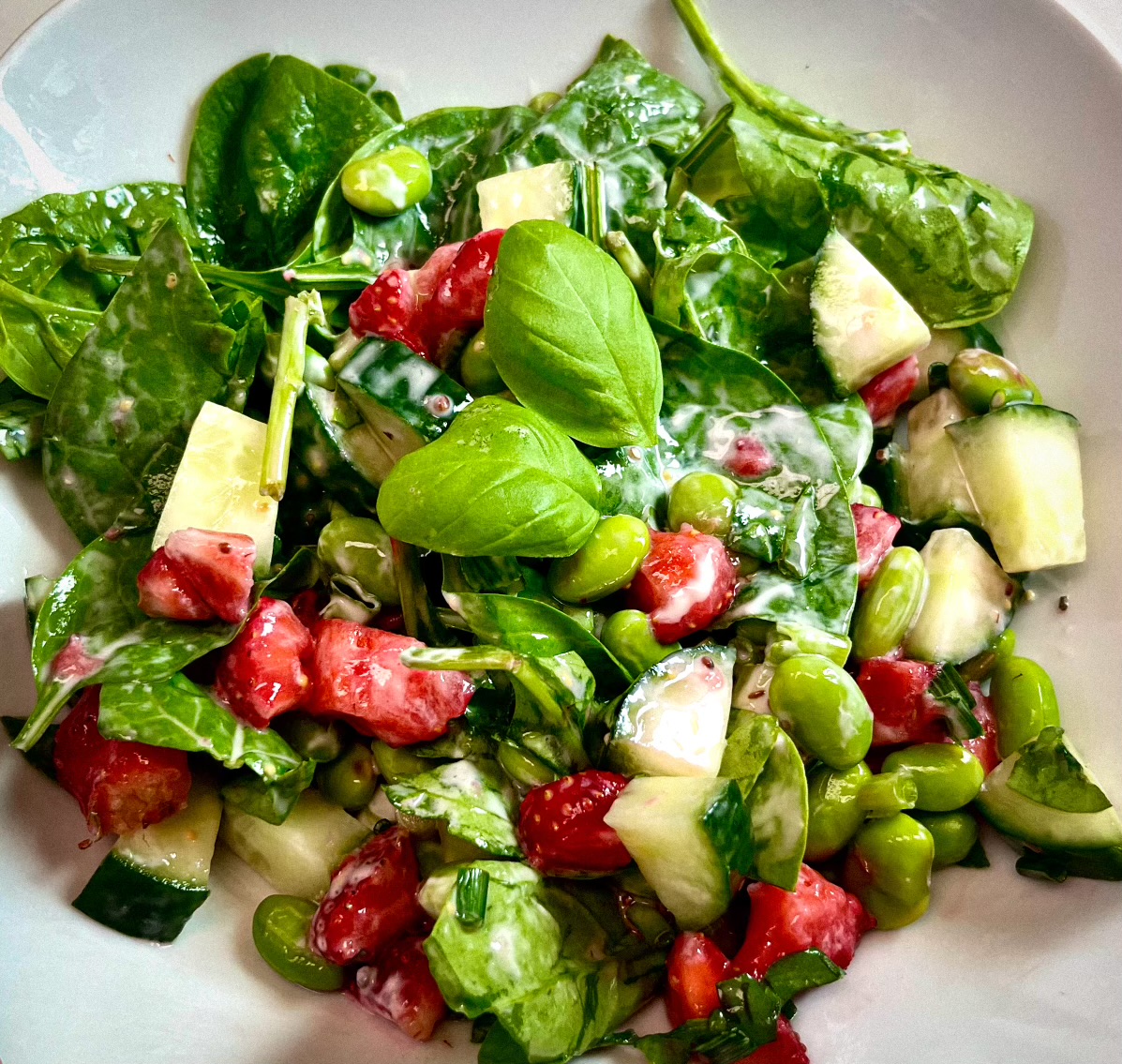
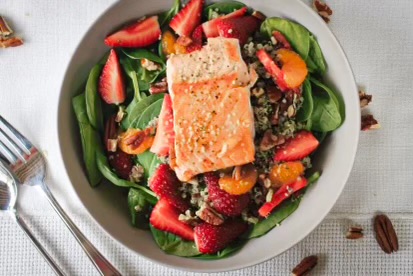
Salads: goes well with mint, basil and balsamic vinegar
Combine with rhubarb
Skewered and grilled on the BBQ
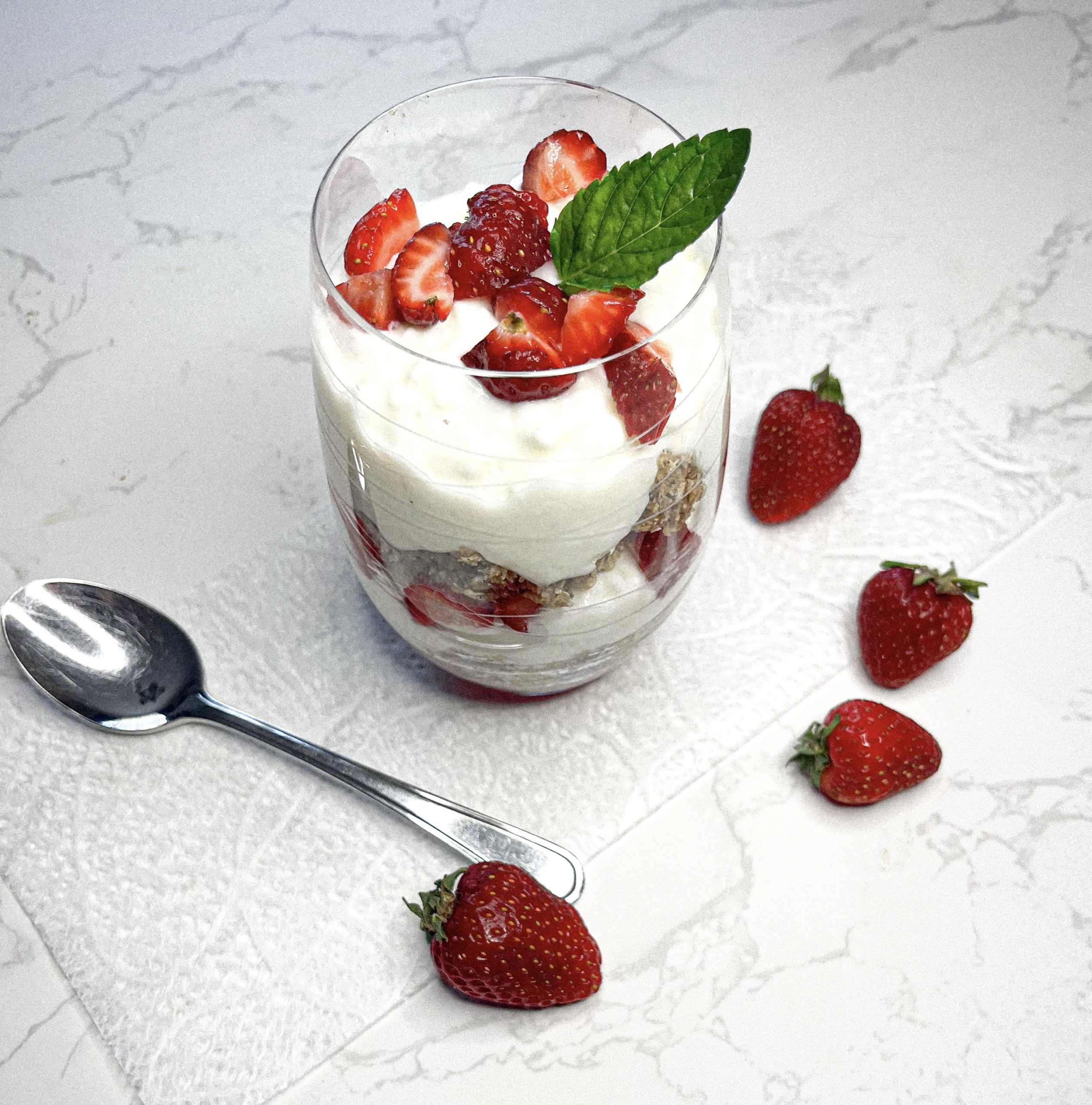
Recipes for enjoying strawberries
Visit the following blog post or browse all our recipes featuring strawberries!
References :
- Alvarez-Suarez, J. M., Dekanski, D., Ristić, S., Radonjić, N. V., Petronijević, N. D., Giampieri, F., Astolfi, P., González-Paramás, A. M., Santos-Buelga, C., Tulipani, S., Quiles, J. L., Mezzetti, B., & Battino, M. (2011). Strawberry polyphenols attenuate ethanol-induced gastric lesions in rats by activation of antioxidant enzymes and attenuation of MDA increase. PloS one, 6(10), e25878. https://doi.org/10.1371/journal.pone.0025878
- Government of Canada (2019). Canadian Nutrient File (CNF). https://aliments-nutrition.canada.ca/cnf-fce/?lang=fre
- Harvard University Health Services. (May 2004). Fiber Content of Foods in Common Portions. https://cookwithkathy.files.wordpress.com/2014/05/sifibre.pdf
- MAPAQ, Government of Quebec. Approximate ph of various food products. (2018/09/19). https://www.mapaq.gouv.qc.ca/SiteCollectionDocuments/TransformationPortail/PH_diversproduits.pdf
- Nimish Vakil. Gastroduodenal Ulcer. Merck Manual. (March 2023). https://www.merckmanuals.com/fr-ca/accueil/troubles-digestifs/gastrite-et-ulc%C3%A8re-gastroduod%C3%A9nal/ulc%C3%A8re-gastroduod%C3%A9nal#Traitement_v753918_fr
- North Ottawa Wellness Foundation. (n.d.). Soluble & Insoluble Fiber Foods List. https://www.northottawawellnessfoundation.org/wp-content/uploads/2017/11/NOWF-Fiber-Content-of-Foods.pdf
- O'Grady, J., & Shanahan, F. (2021). Macronutrients, microbiome and precision nutrition. Current opinion in gastroenterology, 37(2), 145-151. https://doi.org/10.1097/MOG.0000000000000705
- O'Grady, J., Shanahan, F. Dietary Fiber and Gastrointestinal Disease: an Evolving Story.Curr Gastroenterol Rep 20, 59 (2018). https://doi.org/10.1007/s11894-018-0667-0
 French
  English