In nutrition, we often look for the «culprit»: the food to be banned, the fat to be avoided, the sugar to be demonized. What if, in contrast to a deprivation-based approach, we were to aim for a more balanced diet?’add beneficial allies ?
You have a diagnosis of high cholesterol (hypercholesterolemia) or would like to avoid it? Are you concerned about your cardiovascular health? Let's talk about an actor where the function could be culminating: the intestinal microbiota.
The billions of micro-organisms that populate your gut do more than just digest your meals. They play a surprising role in regulating your cholesterol - and therefore in protecting your heart!
Your microbiota: A little-known cholesterol regulator
The liver naturally produces cholesterol. Indispensable to the body, cholesterol is an important essential constituent of all cell membranes, particularly those of the brain and nerve cells [8]. It is also necessary for bile production (which helps the absorption of fats and fat-soluble vitamins), the vitamin D synthesis and the manufacture of various vital hormones such as estrogen, testosterone and cortisol. However, when its levels are in excess (especially LDL, often referred to as «bad cholesterol»), it can accumulate in the arteries, forming atherosclerotic plaques and seriously damaging the health of the heart.
This is where intestinal bacteria come into play, influencing cholesterol in a number of ways:
Eliminating cholesterol: the magic of coprostanol!
Every day, some of the cholesterol ingested or produced by the liver reaches the intestine. It's at this point that certain bacteria in the microbiota come into their own! Bacteroides and Eubacterium transform this cholesterol into a substance called coprostanol [4]. What's special about coprostanol? It cannot be absorbed by the body and is simply eliminated in the stool! Less reabsorbed cholesterol means less cholesterol circulating in the bloodstream.
Beware of TMAO: the other side of the coin
From certain foods (such as red meat, dairy products, seafood and eggs), the microbiota can also produce another substance: the TMAO (trimethylamine N-oxide) [10]. High levels of TMAO are associated with an increased risk of cardiovascular disease [1]. In fact, TMAO can promote the accumulation of plaque in the arteries (atherosclerosis), increase inflammation and influence the metabolism of your cholesterol [1]. More research is needed to fully understand these mechanisms of action, but it's a marker we're likely to hear about in the coming years!
But what actually happens?
It's possible to help bacteria so that they help in return!
Fiber: fuel for good bacteria
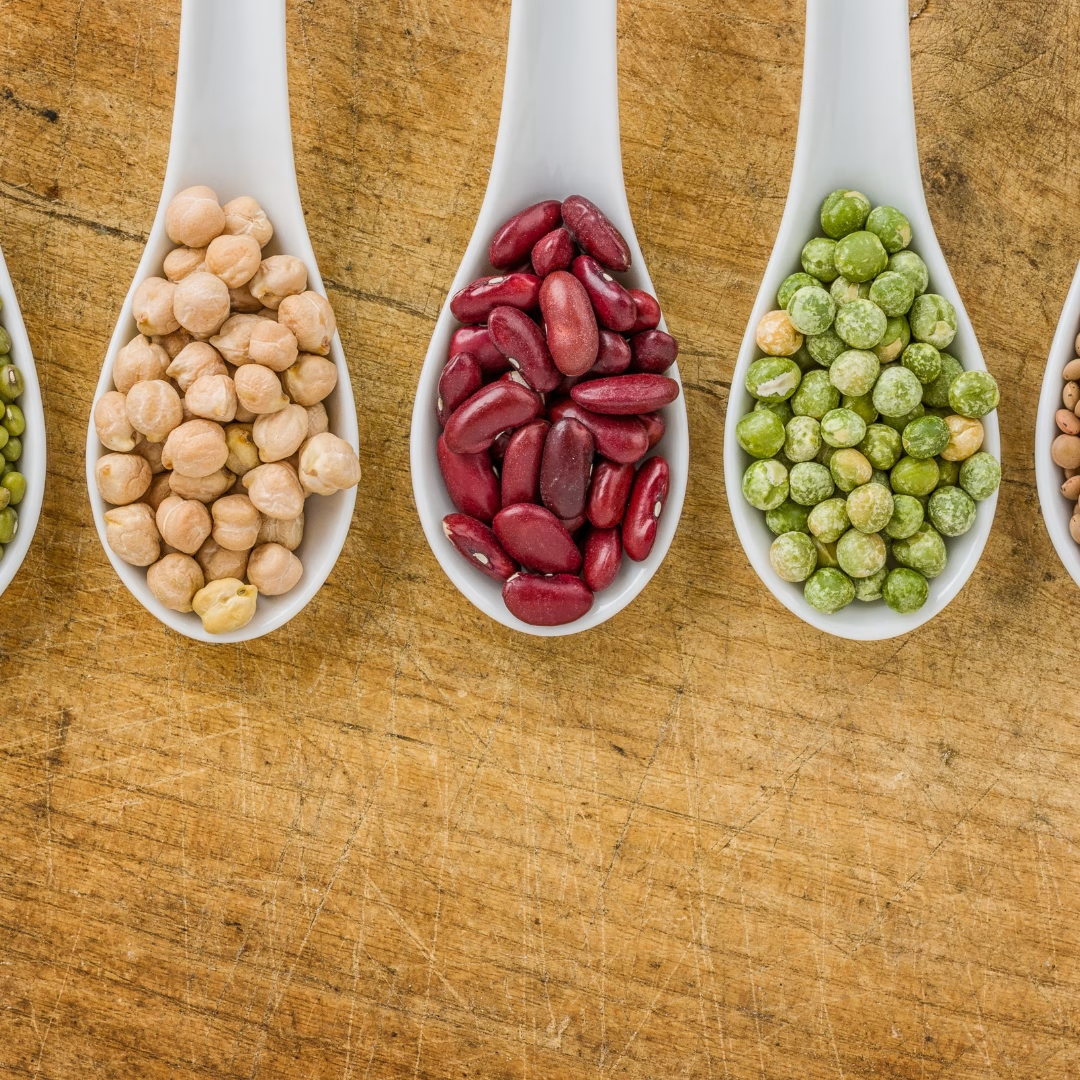
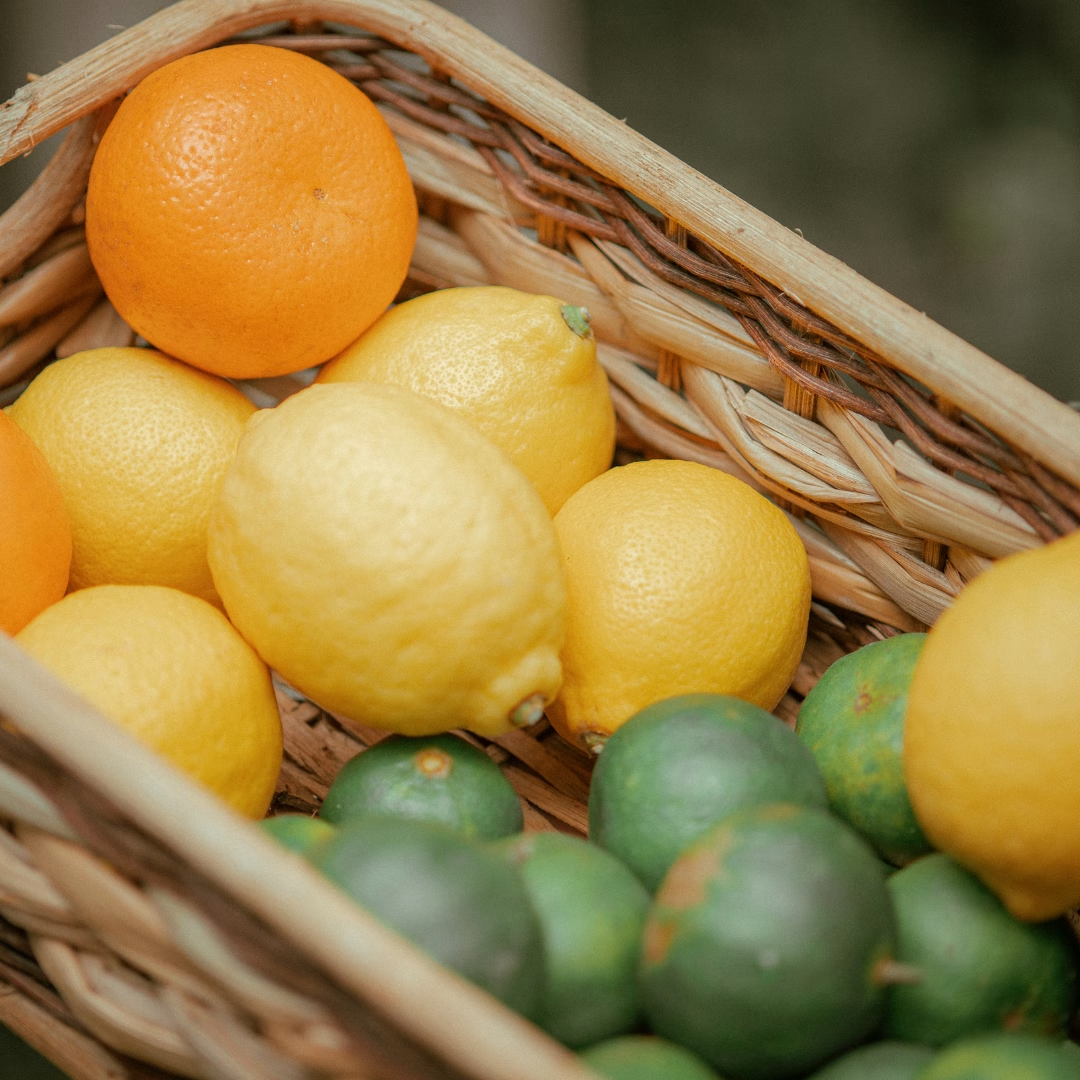
Soluble fibers (e.g. oats, legumes, apples, citrus fruits); they form a gel that helps reduce cholesterol absorption and feed the «good» bacteria. These bacteria then produce« short-chain fatty acids »These can slow down cholesterol production by the liver [10, 11].
Insoluble fibers (e.g. wholegrain cereals, fruit skins, certain vegetables); they facilitate transit and contribute to good intestinal health.
Probiotics and postbiotics: direct allies
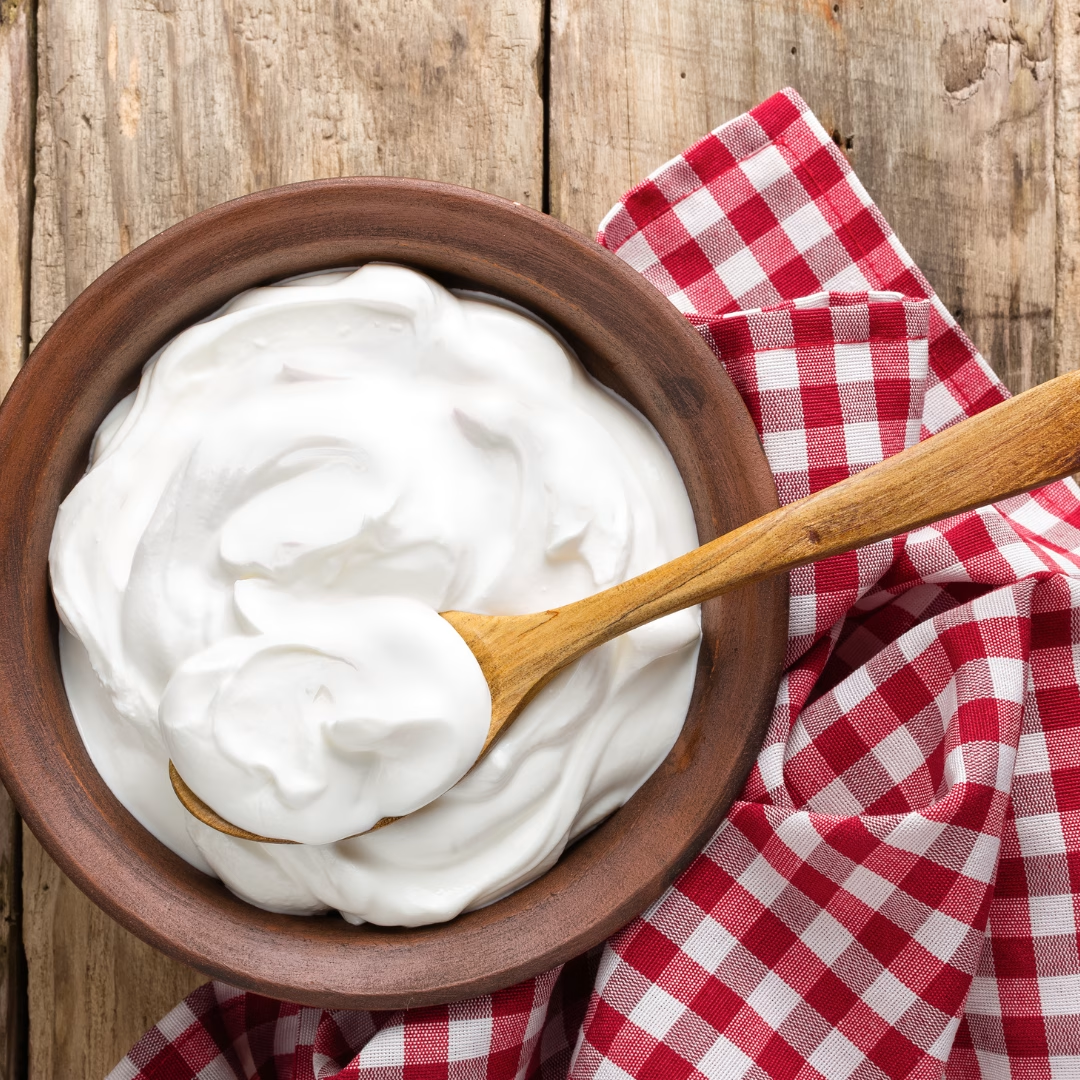
Probiotics These are living micro-organisms (present in fermented foods such as yoghurt, kefir, sauerkraut and kimchi). Certain strains (such as Lactobacillus or Bifidobacterium) can directly help reduce total and LDL cholesterol, and even limit the production of TMAO [12].
Postbiotics Postbiotics: beneficial substances produced by bacteria. Short-chain fatty acids (butyrate, acetate and propionate) are the best-known postbiotics at present [9]. They are produced by the fermentation of dietary fibers by the microbiota and can influence cholesterol metabolism, reduce inflammation and promote the growth of beneficial bacteria [11].
Phytosterols
Found in plant foods (e.g. nuts, seeds, oils, vegetables, legumes, soy, some fortified foods), phytosterols can help block its absorption in the gut, reducing blood levels [5]. What's more, they can be metabolized by the bacteria in the microbiota [3].
Good fats and the Mediterranean diet: a global approach
A diet rich in «good» fats (e.g. olive oil, walnuts, omega-3-rich fatty fish) promotes a balanced microbiota and reduces inflammation [6, 7]. This type of fat is present in Mediterranean diet, and is recognized for its major protective effects on the heart [6]. To learn more about the Mediterranean diet, DASH or Portfolio [2] and their recommendations, make an appointment with us.
Taking action today can bring results!
The gut microbiota plays a key role in cholesterol management and heart protection. The good news? We have the power to positively influence it several times a day!
3 simple gestures for optimal microbiota and cholesterol

Add fiber Aim for at least 25 to 30 g a day, gradually increasing as tolerated. Focus on soluble fibers (oats, lentils, apples, flax and chia seeds). Visit fiber calculator that we offer to help you count your daily intake.

Eat fermented foods Integrate fermented foods (kefir, sauerkraut, miso or kimchi) a few times a week. Need ideas on how to incorporate them? here's the tool you need.

Focus on good fats Eat omega-3-rich fish (e.g. salmon, trout, sardines, herring) 2 to 3 times a week. Eat olive oil, nuts and seeds every day.
Taking care of your microbiota also means taking care of your heart. For a personalized approach that takes into account microbiota, cardiovascular health and health goals, consulting a team nutritionist-dietitian is an excellent idea.
References
1. Canyelles M, Borràs C, Rotllan N, Tondo M, Escolà-Gil JC, Blanco-Vaca F. Gut Microbiota-Derived TMAO: A Causal Factor Promoting Atherosclerotic Cardiovascular Disease? Int J Mol Sci. 2023;24(3):1940. https://pubmed.ncbi.nlm.nih.gov/36768264/
2. Canyelles M, Borràs C, Rotllan N, Tondo M, Escolà-Gil JC, Blanco-Vaca F. Gut Microbiota-Derived TMAO: A Causal Factor Promoting Atherosclerotic Cardiovascular Disease? Int J Mol Sci. 2023;24(3):1940. https://www.mdpi.com/1422-0067/24/3/1940
3. Chiavaroli L, Nishi SK, Khan TA, Braunstein CR, Glenn AJ, Mejia SB, et al. Portfolio Dietary Pattern and Cardiovascular Disease: A Systematic Review and Meta-analysis of Controlled Trials. Prog Cardiovasc Dis. 2018;61(1):43-53. https://pubmed.ncbi.nlm.nih.gov/29807048/
4. Deng C, Pan J, Zhu H, Chen ZY. Effect of Gut Microbiota on Blood Cholesterol: A Review on Mechanisms. Foods (Basel). 2023;12(23):4308. https://www.mdpi.com/2304-8158/12/23/4308
5. Juste C, Gérard P. Cholesterol-to-Coprostanol Conversion by the Gut Microbiota: What We Know, Suspect, and Ignore. Microorganisms. 2021;9(9):1881.
https://www.mdpi.com/2076-2607/9/9/1881
6. Mansour H, Slika H, Nasser SA, Pintus G, Khachab M, Sahebkar A, et al. Flavonoids, gut microbiota and cardiovascular disease: Dynamics and interplay. Pharmacol Res. 2024;209:107452. https://pubmed.ncbi.nlm.nih.gov/39383791/
7. Meslier V, Laiola M, Roager HM, De Filippis F, Roume H, Quinquis B, et al. Mediterranean diet intervention in overweight and obese subjects lowers plasma cholesterol and causes changes in the gut microbiome and metabolome independently of energy intake. Gut. 2020;69(7):1258-68. https://pubmed.ncbi.nlm.nih.gov/32075887/
8. Muralidharan J, Moreno-Indias I, Bulló M, Lopez JV, Corella D, Castañer O, et al. Effect on gut microbiota of a 1-y lifestyle intervention with Mediterranean diet compared with energy-reduced Mediterranean diet and physical activity promotion: PREDIMED-Plus Study. Am J Clin Nutr. 2021;114(3):1148-58. https://pubmed.ncbi.nlm.nih.gov/34020445/
9. Raymond JL, Morrow K. Krause and Mahan's Food and the Nutrition Care Process. 16th ed. St. Louis (MO): Elsevier; 2024.
10. Villette R, Kc P, Beliard S, Salas Tapia MF, Rainteau D, Guerin M, et al. Unraveling Host-Gut Microbiota Dialogue and Its Impact on Cholesterol Levels. Front Pharmacol. 2020;11:278. https://pmc.ncbi.nlm.nih.gov/articles/PMC7145900/
11. Vourakis M, Mayer G, Rousseau G. The Role of Gut Microbiota on Cholesterol Metabolism in Atherosclerosis. Int J Mol Sci. 2021;22(15):8074. https://pmc.ncbi.nlm.nih.gov/articles/PMC8347163/
12. Wu H, Chiou J. Potential Benefits of Probiotics and Prebiotics for Coronary Heart Disease and Stroke. Nutrients. 2021;13(8):2878. https://pubmed.ncbi.nlm.nih.gov/34445037/
 French
  English