
In a world where gut health, nutrition and digestive well-being are growing concerns, there is considerable interest in the impact of vegetarian diets on the gut microbiota.
Here's a series of blogs exploring four diets and their impact on the gut microbiota. This one focuses on the vegetarian diet.
The other three relate to fasting, the ketogenic diet and Mediterranean diet.
It should be noted that the reasons for adhering to this type of diet, such as its effects on diabetes, cholesterol and weight loss, are not covered in these blogs. On the other hand, a conference for doctors and healthcare professionals on the subject is available.
What is a vegetarian diet?
Whether for ethical, health, religious, ecological or food preference reasons, vegetarianism is attracting more and more followers.
Here are a few variations (2)(3)(4) :
Vegetarianism
Excludes animal proteins.
Lacto-ovo vegetarianism
Includes eggs and dairy products.
Pesco vegetarianism
Includes fish and seafood.
Veganism
Excludes all animal products (e.g. dairy products, eggs, honey).
Veganism/Vegan
Lifestyle excluding all animal exploitation (e.g. use of leather, products tested on animals).
The impact of vegetarianism on intestinal microbiota
Several studies report positive effects on intestinal health and microbiota.
Here are some recent study results:
Increased bacterial diversity and richness intestinal microbiota. (1)(4)
Remember: a healthy microbiota is one rich in bacterial variety (diversity) and quantity (richness).
Increase in beneficial bacteria Bacteroides, Prevotella, Faecalibacterium prausnitzii, Lactobacillus (1)(3)(5)(6)
Increase in short-chain fatty acids (SCFA) (1)(3), reducing intestinal permeability and reducing’chronic inflammation.
Reminder: increased intestinal permeability is associated with a number of health conditions and is detrimental to intestinal health. By reducing intestinal permeability and inflammation, intestinal balance is more favorable.
Reduced inflammatory markers such as TMAO and LPS. (1)(3)(4)
Reminder: TMAO is associated with cardiovascular disease. Low-grade inflammation is present in many chronic health conditions (e.g. diabetes, obesity, arthritis). We want to reduce the inflammatory markers present in the body.
There are several reasons why a vegetarian diet is so beneficial to digestive health. It's rich in dietary fiber, protein and fat. prebiotics, low in saturated fats (2)(4) and high in polyphenols, antioxidants and phytochemicals!
Beware of processed foods
A plant-based diet has many benefits. However, like many other types of diet, adopting it via processed foods is not recommended. For example, a vegetarian diet may include processed foods (e.g. French fries, veggie croquettes, pizza).
We recommend aiming for a low-processed plant-based food (Whole food plant-based) which reduces animal and processed products (4). Reducing processed foods also helps to limit intestinal discomforts such as bloatingthe gas and the diarrhea. Indeed, high levels of added sugars and fats can create discomfort. What's more, the consumption of these foods, with their high sugar, fat, salt and food additive content, can be detrimental to the health of the microbiota (6).
In conclusion - How can you veganize your diet?
A vegetarian diet is beneficial for a number of health conditions, including intestinal health. It promotes healthy intestinal microbiota, important for a digestive well-being. Benefits for the management of intestinal conditions such as irritable bowel syndrome (or irritable bowel syndrome), as well as inflammatory bowel diseases (Crohn's disease, ulcerative colitis) have also been observed!
You don't have to go vegan to reap the benefits. Visit gradually vegetarian meals in your diet.
You can start by incorporating certain legumes (e.g. lentils) or crumbled tofu into traditional ground meat meals (e.g. spaghetti sauce, meatballs, meatloaf). Frozen shelled edamame can also be added to vegetable stir-fries or soups.
Need some recipe ideas? Here are our 5 favorite vegetarian recipes:
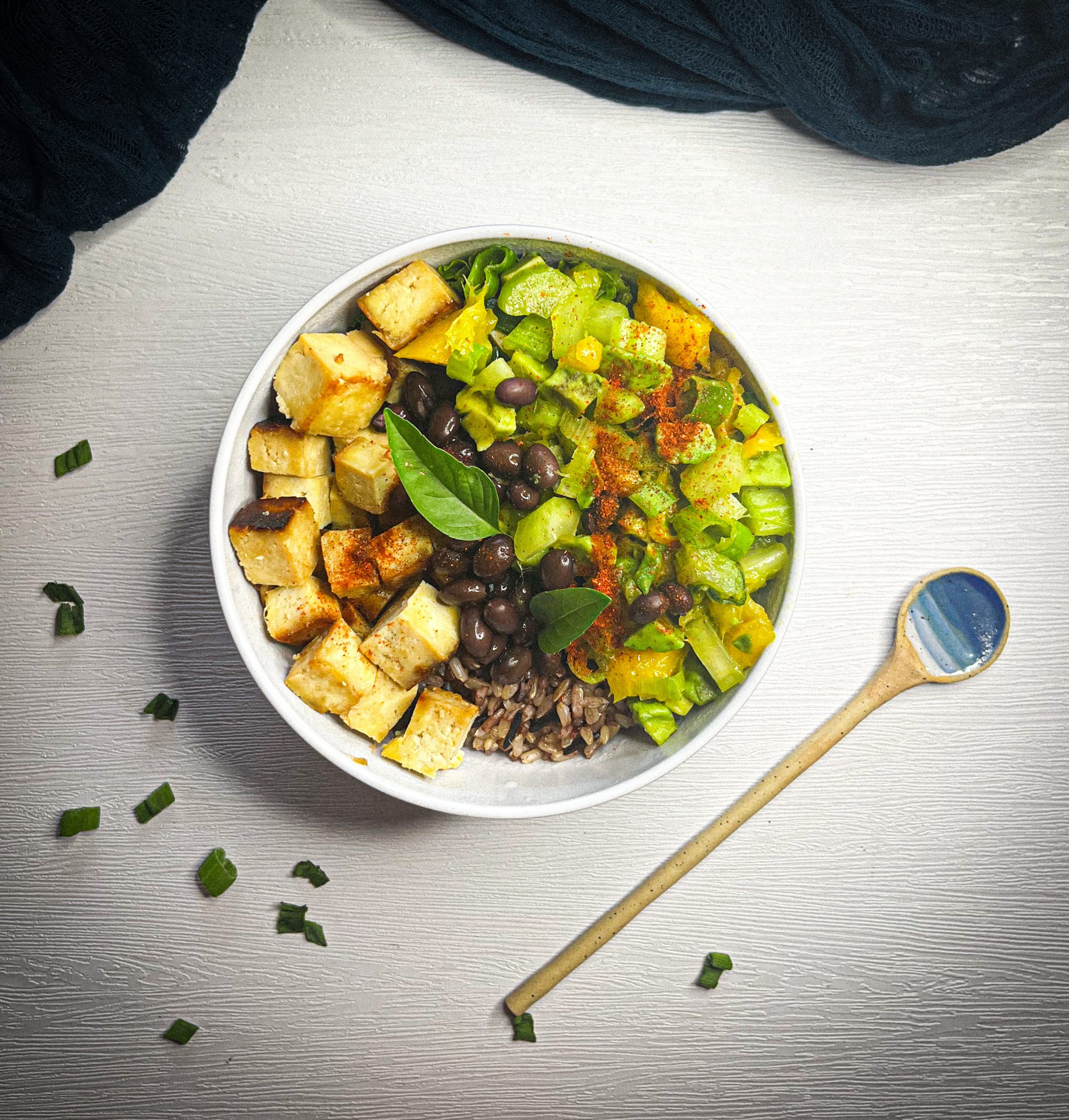

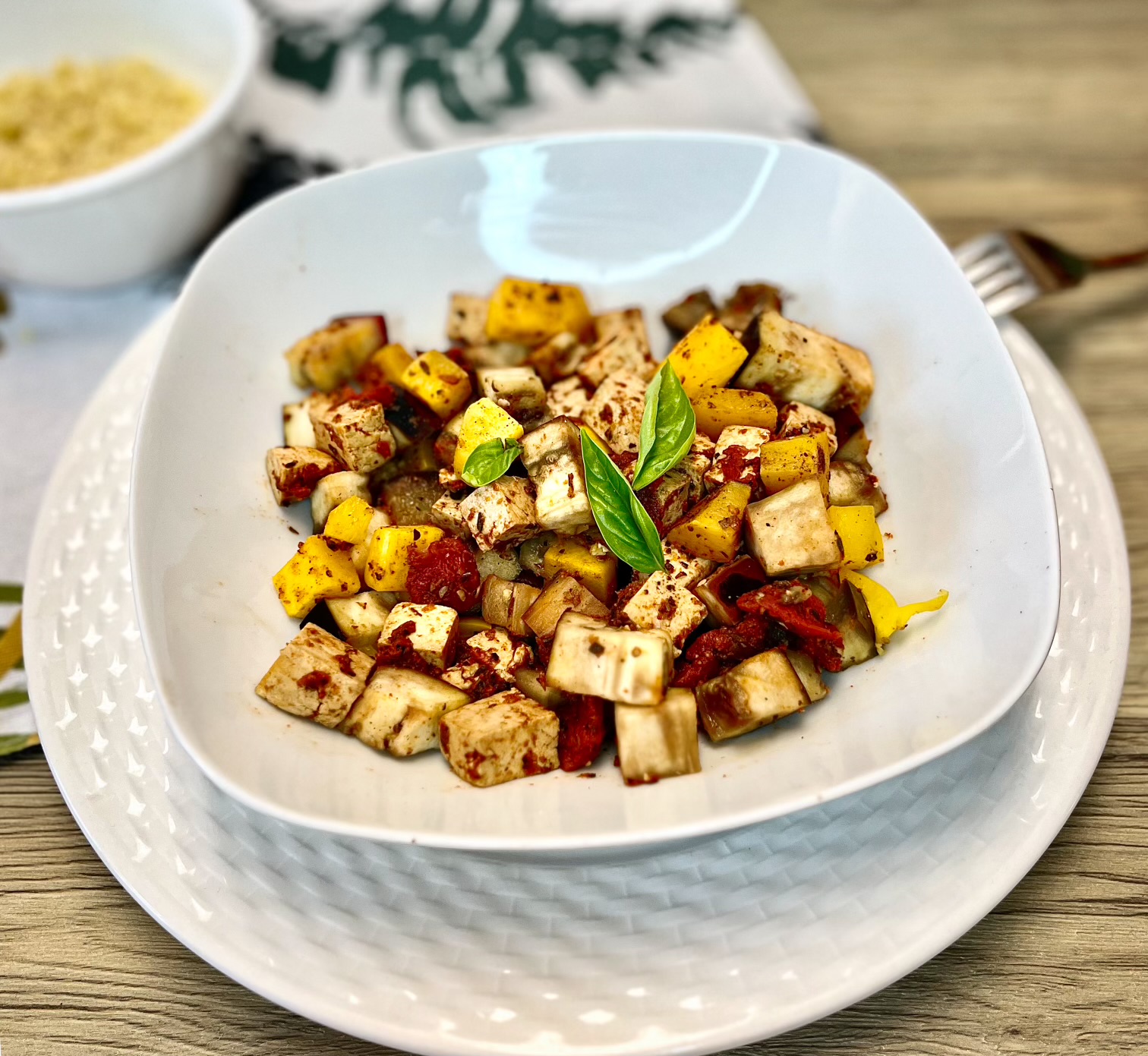
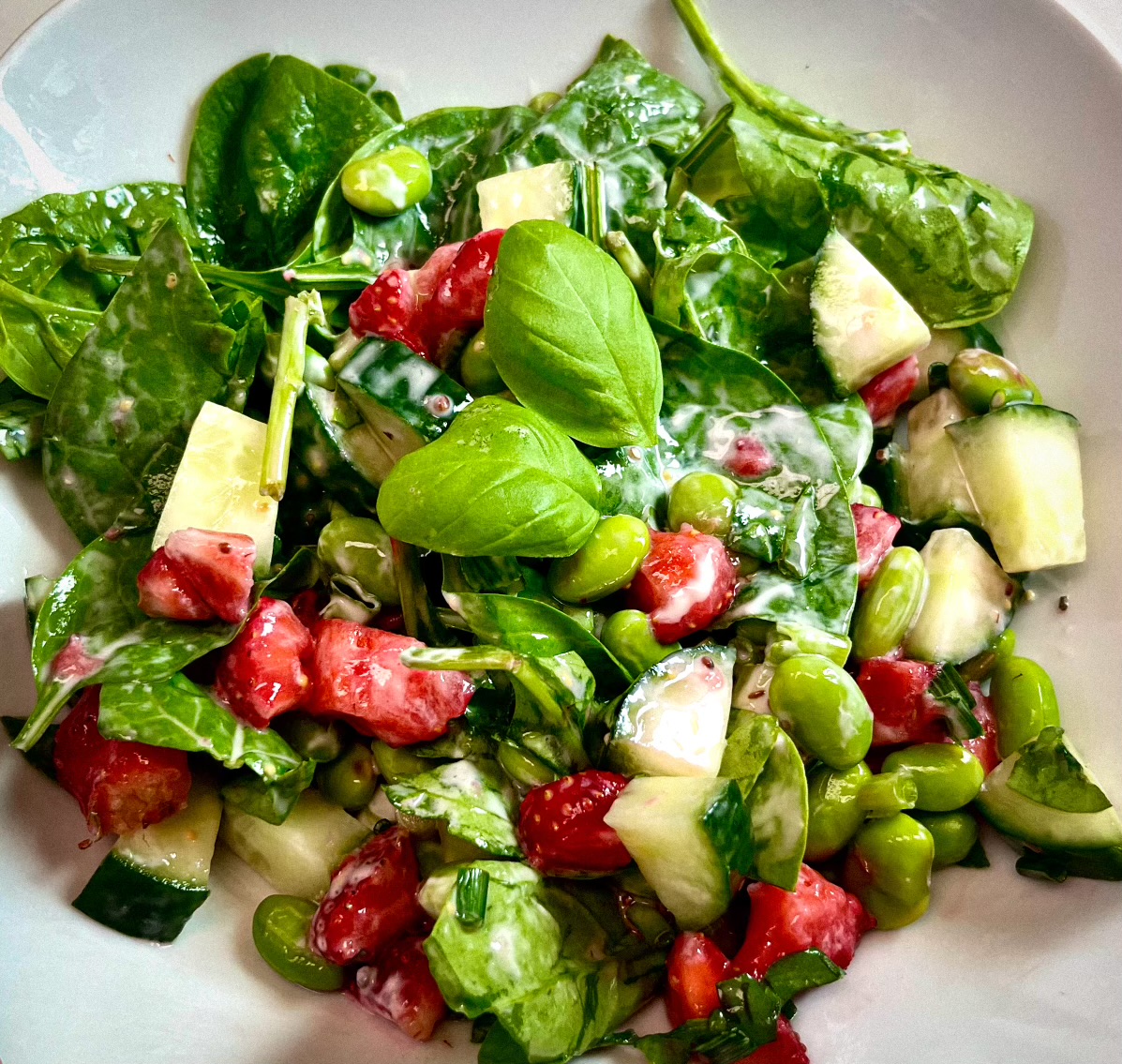
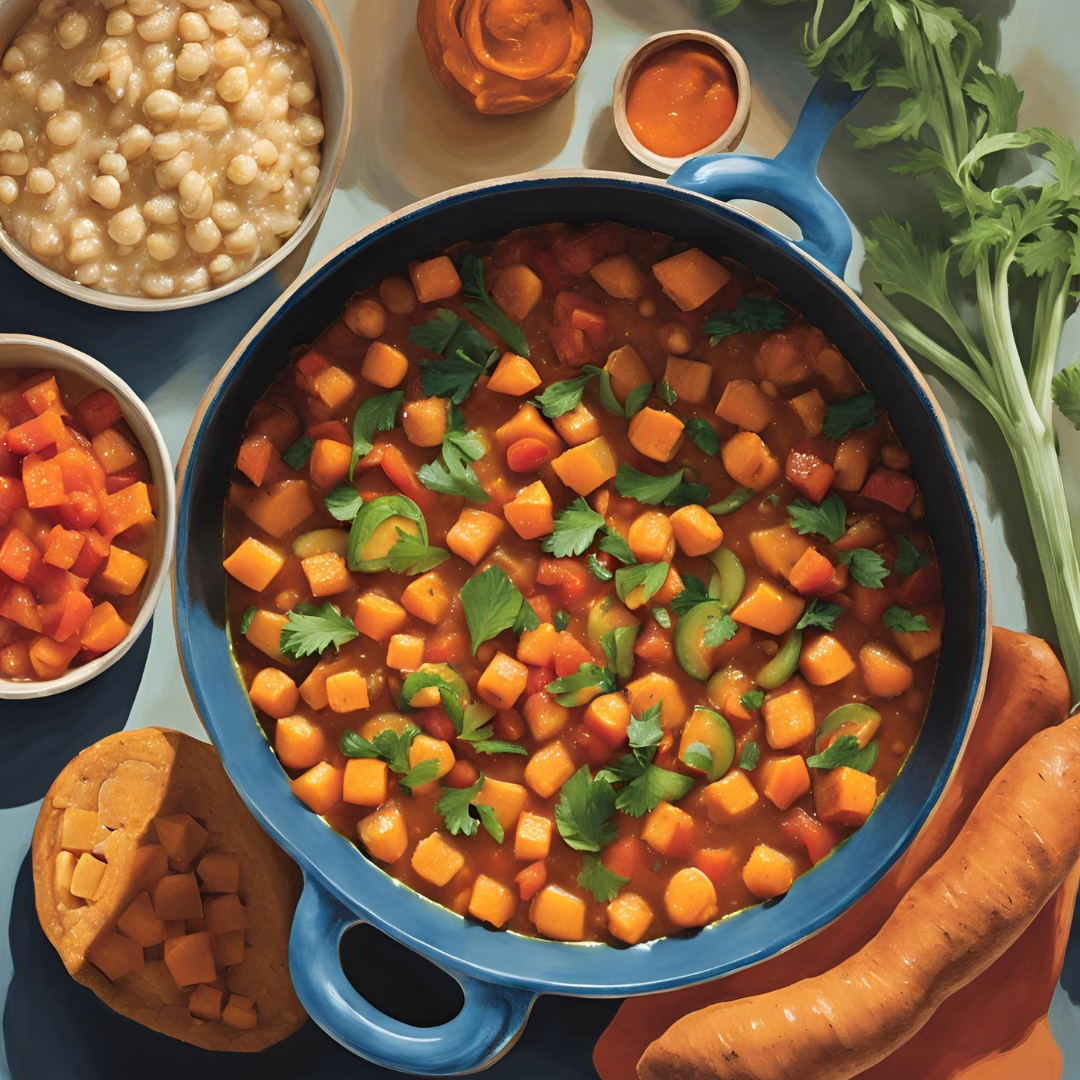
Would you like to treat yourself to complete menus designed by our nutritionist-dietitians? Explore the vegetarian and vegan menus available on the webshop.
References
(1) Borrego-Ruiz and Borrego (2024) Human gut microbiome, diet, and mental disorders. Int Microbiol Apr 1. https://pubmed.ncbi.nlm.nih.gov/38561477/
(2) Fontes et al. (2022) Comparison between Different Groups of Vegetarianism and Its Associations with Body Composition: A Literature Review from 2015 to 2021. Nutrients 28;14(9):1853. https://pubmed.ncbi.nlm.nih.gov/35565820/
(3) Kumar et al. (2022) Vegetarianism, microbiota, and cardiovascular health: looking back, and forward. Eur J Prev Cardiol Oct 20;29(14):1895-1910. https://pubmed.ncbi.nlm.nih.gov/35727958/
(4) Landry and Ward (2024) Health Benefits of a Plant-Based Dietary Pattern and Implementation in Healthcare and Clinical Practice. Am J Lifestyle Med Mar 14;18(5):657-665. https://pubmed.ncbi.nlm.nih.gov/39309320/
(5) Losno et al. (2021) Vegan Diet and the Gut Microbiota Composition in Healthy Adults. Nutrients Jul 13;13(7):2402. https://pubmed.ncbi.nlm.nih.gov/34371912/
(6) Rinninella et al. (2019) Food Components and Dietary Habits: Keys for a Healthy Gut Microbiota Composition. Nutrients Oct 7;11(10):2393. https://pubmed.ncbi.nlm.nih.gov/31591348/
 French
  English