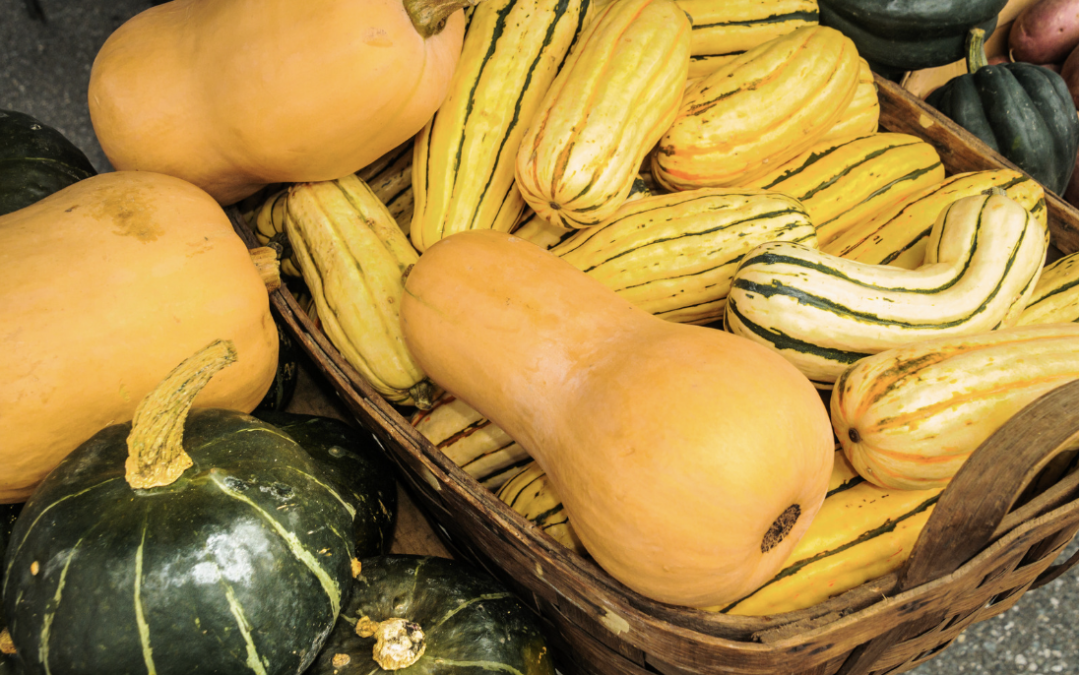
Winter squash comes in all colors, and we're bringing it to the table!
Discover their nutritional benefits for overall and digestive health, as well as a number of practical tips for storing, cooking and, above all, enjoying them!
General benefits of winter squash
In addition to being economic, squash can be keep for a very long time and can be integrated into a multitude of recipes, We've got it covered, for both snacks and meals!
They are rich in vitamin A (involved in eye and immune health), particularly as a carotenoid (an antioxidant) and vitamin C.
They are also rich in prebiotic fibers, fuel (food) par excellence of gut bacteria which will produce substances beneficial to health. These prebiotic fibers, fermented more slowly, are generally easily digested and well tolerated in the context of a balanced diet. low FODMAP diet.
A short guide to storing squash
- Integral, they keep for 3 months at room temperature and 6 months in a cool place
- Cubed and blanched or puréed, They can be kept for 1 year in the freezer.
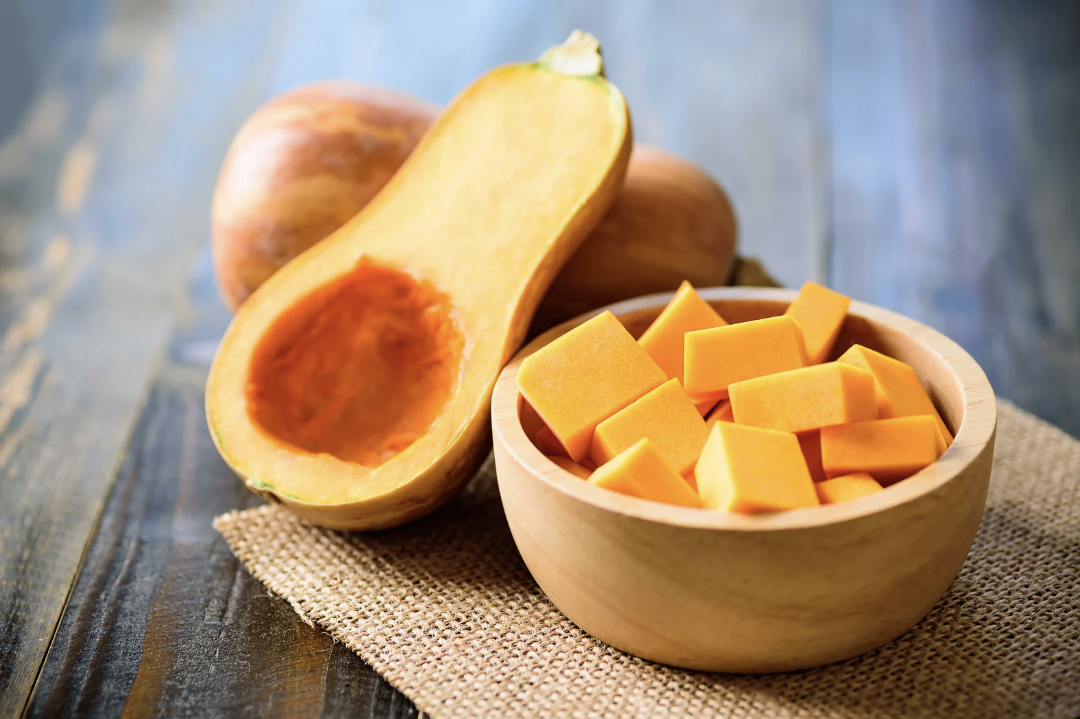
Butternut squash
- Total fiber content: 1.8 g per 125 ml (½ cup) cooked squash
- FODMAP content: Low FODMAP in a plower ortion to 65 g (1/3 t. cooked)
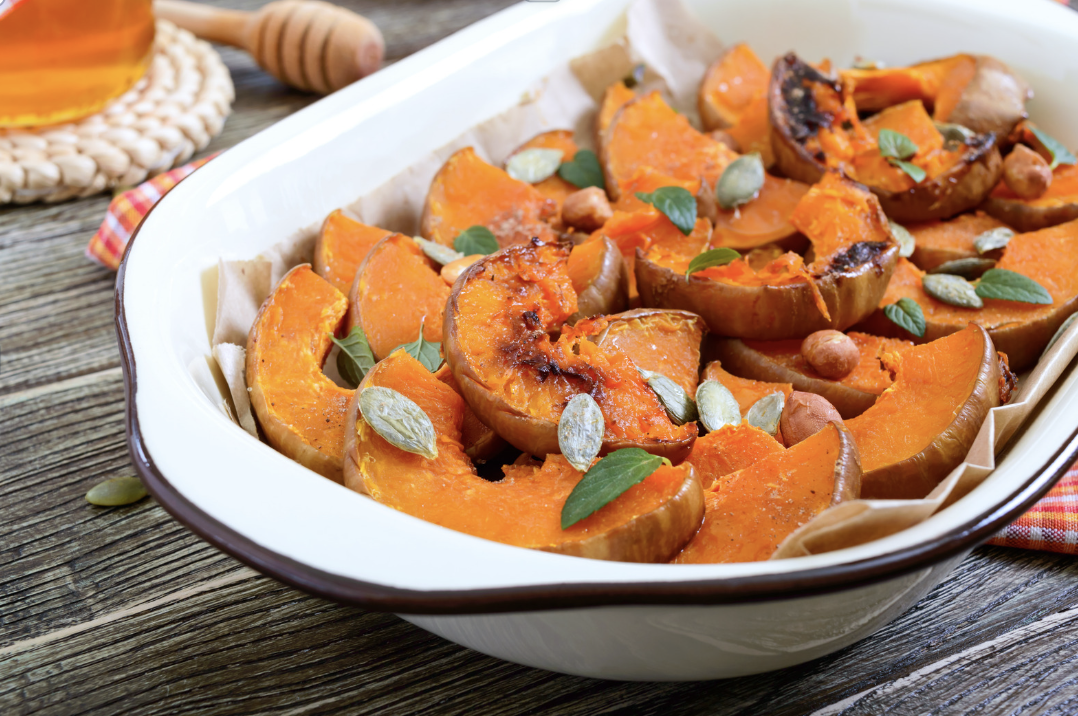
- Cooking: Cut in half and remove seeds, bake for 40 minutes at 350ºF.
- Taste: Subtle hazelnut taste
- Ideal for: absolutely everything! In cubes for autumn salads or vegetable plates, desserts, soups, stews and casseroles.
Acorn squash
- Total fiber content : 2,1 g per 125 ml (½ cup) cooked squash
- FODMAP content: Flow in FODMAPs for any portion under 78 g (1/3 cup cooked in cubes)
- Cooking: Cut in half and remove seeds, bake 55 minutes at 350ºF. Sliced, oiled and flavored, bake for 25 minutes at 350ºF.
- Taste: Slightly peppery
- Did you know that..: You can eat the peel! Be careful, however, as this contains more fermentable fibre (FODMAP).
- Ideal for : a starchy accompaniment to stews and stuffing.
Spaghetti squash
- Total fiber content: 1,1 g per 125 ml (½ cup) of cooked squash
- FODMAP content: Low FODMAP for any serving under 75 g (1/2 cup cubed)
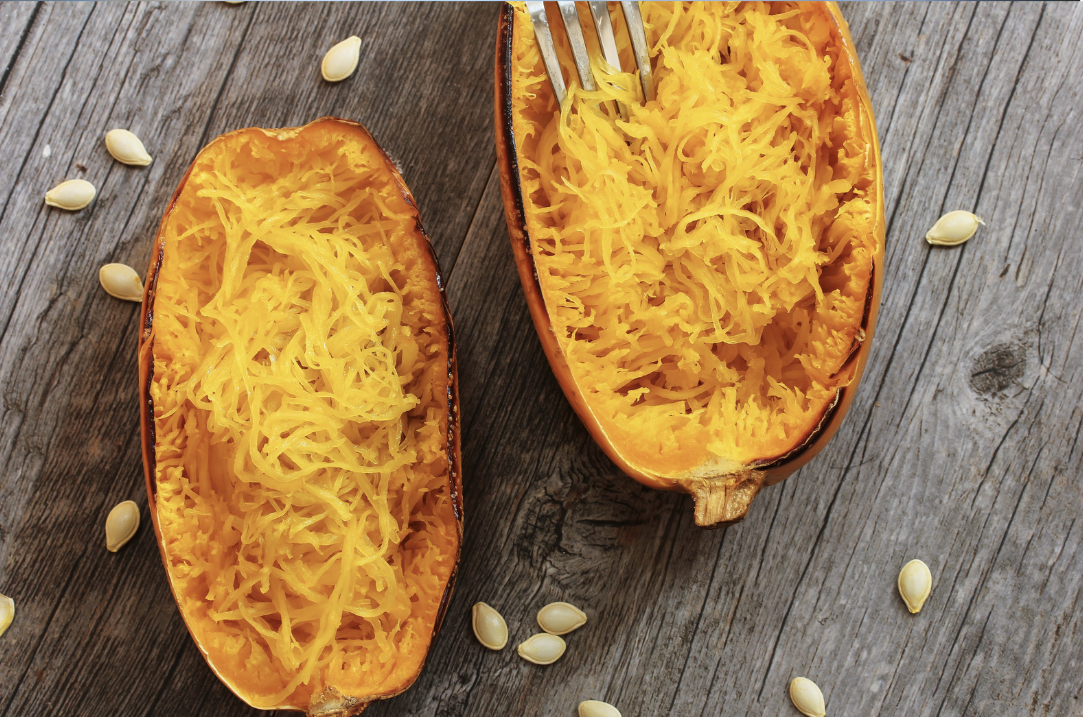
- Description: Its flesh frays with a fork and looks like spaghetti strands.
- Taste: Soft and all-purpose
- Cooking: Cut in half and scoop out the seeds, bake for 35-60 minutes, depending on size and season. Sometimes, you can stuff before starting to cook, or stuff after cooking and return to broil for the final gratin.
- Ideal for: Substitute for pasta, make vegetable or fish patties, add to soups in cooked strands.
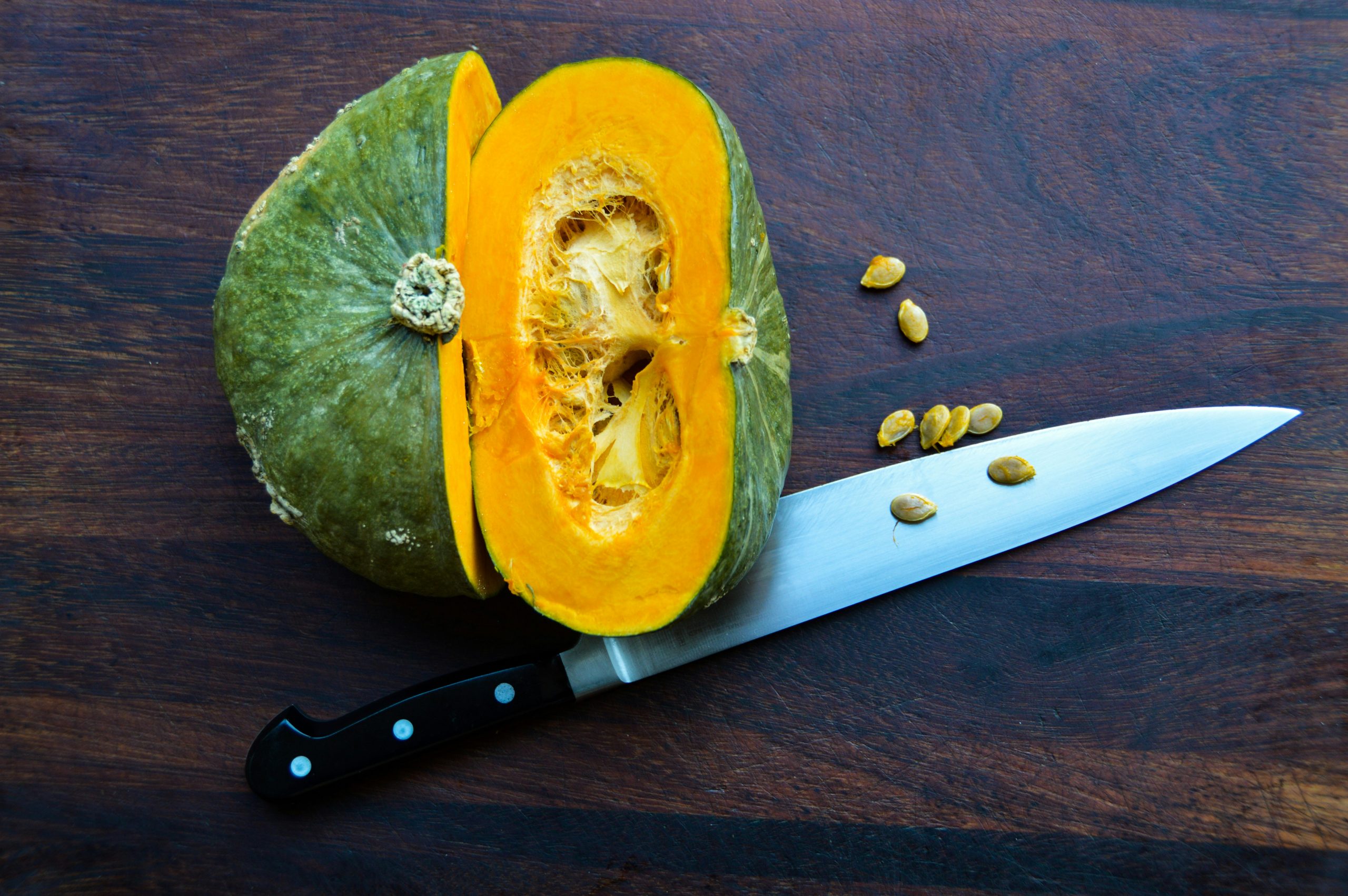
Pumpkin
- Total fiber content: 1.4 g per 125 ml (½ t.) cooked pumpkin cube. For pureed pumpkin (canned), the content is 3.8 g per 125 ml (½ t.) of puree.
- FODMAP content: Low FODMAP for any portion under 75 g (1/3 cup cooked in cubes)
- Cooking: Can be baked whole, on a baking sheet, at 350ºF for 1 hour or more, depending on the size of the pumpkin. Just peel when done. To recover the pumpkin's seeds, empty the pumpkin before cooking.
- Ideal for: Mashed into desserts, snacks, soups or lattes, combined with autumn spices (cinnamon, nutmeg, cloves).
Now, enjoy!
Note: In all cases, if you are sensitive to FODMAPs, follow the personalized recommendations of your nutritionist and listen to your symptoms.
 French
  English